
Magazine › Sustainability
The Future of Renewable Energy in Architectural Design
The future of architectural design is bright with the integration of renewable energy. From solar panels to wind turbines, discover how modern buildings are leading the charge towards a sustainable and energy-efficient future.
By the Ander Baher Editorial Desk · 11 March 2024
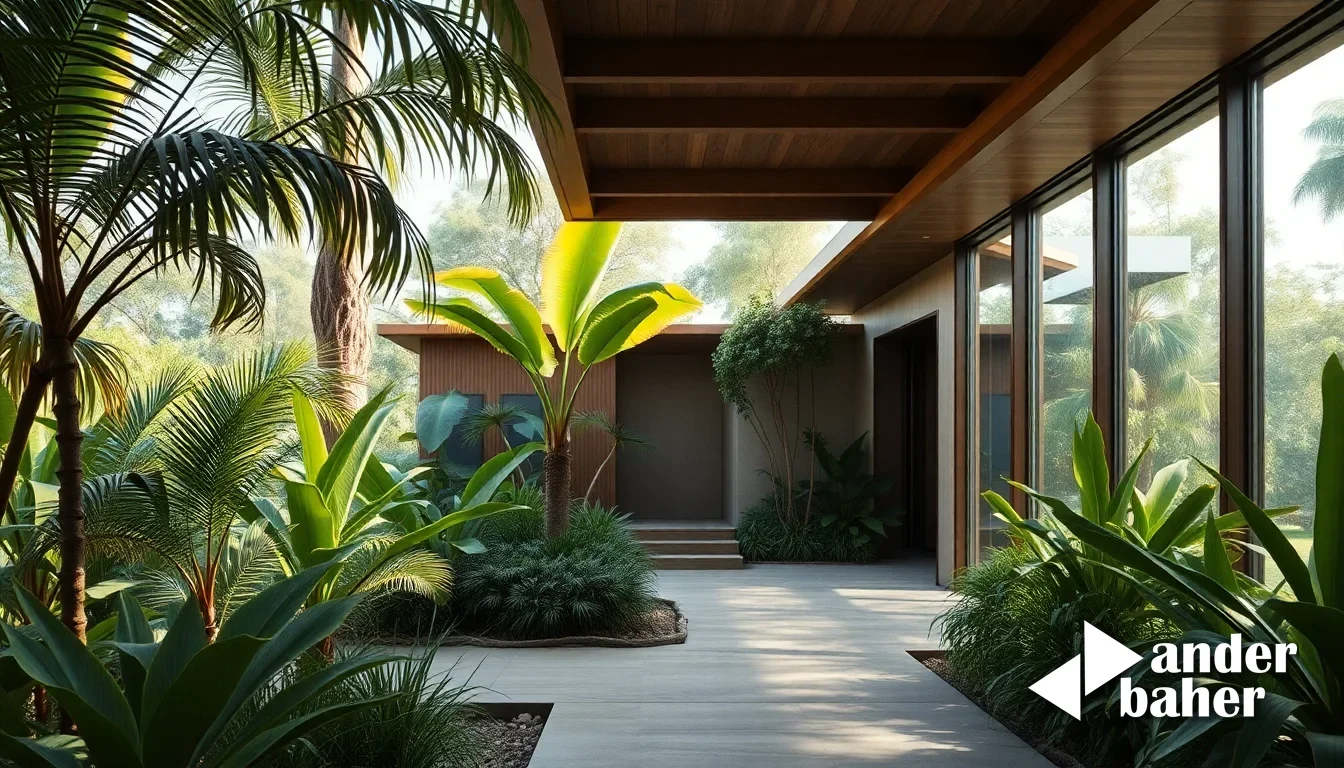
The intersection of renewable energy and architectural design heralds a transformative era for the built environment, promising a future where sustainability and efficiency are not just goals, but foundational principles. This merging of disciplines is driving architects and designers towards innovation, urging them to reimagine the possibilities of buildings as active participants in energy production and environmental stewardship. As we venture further into the 21st century, the role of renewable energy in architectural design becomes increasingly crucial, painting a picture of a world where every building not only minimizes its ecological footprint but contributes positively to the planet.
The Vision of Renewable Energy in Architecture
The concept of integrating renewable energy sources—such as solar, wind, and geothermal energy—into architectural designs is a response to the growing need for sustainable development. This approach seeks to harness the power of natural elements to meet buildings' energy requirements, reducing reliance on fossil fuels and lowering greenhouse gas emissions. The future of architectural design lies in creating spaces that are not only aesthetically pleasing and functional but also self-sustaining and regenerative.
Solar Power: A Cornerstone of Renewable Architectural Design
Solar energy, with its vast potential and accessibility, stands at the forefront of this movement. Innovative technologies like photovoltaic (PV) panels and solar shingles are being integrated into roofs, facades, and even windows, transforming buildings into power generators. Beyond providing energy for their own needs, these solar-equipped structures can feed surplus electricity back into the grid, exemplifying a symbiotic relationship between architecture and the environment.
Wind Energy: Harnessing the Breeze for Building Efficiency
Wind energy, though less commonly integrated into urban buildings, offers significant potential for high-rise structures and buildings situated in windy locales. Innovative designs incorporating wind turbines within the architecture itself or on rooftops can capture kinetic energy from the wind, converting it into electricity. These systems not only supplement a building's energy needs but also contribute to a more diversified and resilient urban energy grid.
Geothermal Heating and Cooling: Tapping into the Earth's Stable Temperatures
Geothermal systems utilize the earth's stable underground temperature to provide heating and cooling for buildings, significantly reducing energy consumption. By incorporating geothermal heat pumps into architectural designs, buildings can achieve unparalleled efficiency in temperature regulation, further emphasizing the role of renewable energy in creating sustainable living and working environments.
The Role of Green Building Materials and Practices
Sustainable architecture extends beyond the integration of renewable energy sources. It also encompasses the use of green building materials, efficient water management systems, and designs that maximize natural light and ventilation. These practices contribute to a holistic approach to sustainability, where every aspect of a building's design and operation is aligned with environmental principles.
The Future is Here: Examples of Renewable Energy in Architecture
Across the globe, pioneering projects are showcasing the incredible potential of renewable energy in architectural design. From skyscrapers clad in solar panels to residential homes powered by wind and sun, these buildings represent the cutting edge of sustainable design. They serve as beacons of innovation, demonstrating that renewable energy and architecture can combine to create buildings that are not only functional and beautiful but also harbingers of a cleaner, greener future.
Embracing the Future
The future of renewable energy in architectural design is not just a vision; it's a burgeoning reality. As technology advances and societal demand for sustainable development grows, the integration of renewable energy sources into architecture will become standard practice. This evolution promises to redefine our built environment, leading to a world where buildings contribute positively to the health of the planet, offering hope and direction for the future of sustainable living.
In conclusion, the fusion of renewable energy and architectural design is paving the way for a sustainable future. Through innovative use of technology and a commitment to green building practices, architects and designers are creating spaces that not only meet the needs of their inhabitants but also protect and preserve the environment. As we look ahead, it's clear that renewable energy will continue to play a pivotal role in shaping the future of architectural design, leading us towards a more sustainable and efficient world.
Facebook Twitter LinkedInStill need help?
Get in touch with us
Frequently asked
How can solar panels be integrated into residential architecture without compromising aesthetics?
Contemporary solutions like solar shingles and facade-integrated photovoltaic systems allow energy generation to become a design element rather than an afterthought. When thoughtfully positioned—on south-facing slopes or as elegant screening elements—they enhance a home's visual language while reducing grid dependence.
What makes geothermal systems superior to conventional HVAC in sustainable homes?
Geothermal heat pumps leverage the earth's stable subsurface temperature, achieving heating and cooling with dramatically lower energy consumption than traditional systems. They're particularly effective in established neighborhoods where consistent ground conditions exist.
Are renewable energy systems practical for urban high-rises and apartments?
Yes—wind turbines on rooftops, facade-mounted PV panels, and shared geothermal systems can serve multi-unit buildings effectively. The key is integrated planning from the design phase, where building orientation and height become strategic assets.
Ready to transform your space — inside or out?
Tell us a little about your home or office. We'll get back within one working day.
Book a consultation