
Magazine › Materials
The Return of Terra: Why Indian Homes Are Rediscovering Clay
A quiet revolution in Indian design favours terracotta not as nostalgia, but as a material language for contemporary living.
By the Ander Baher Editorial Desk · 27 August 2026
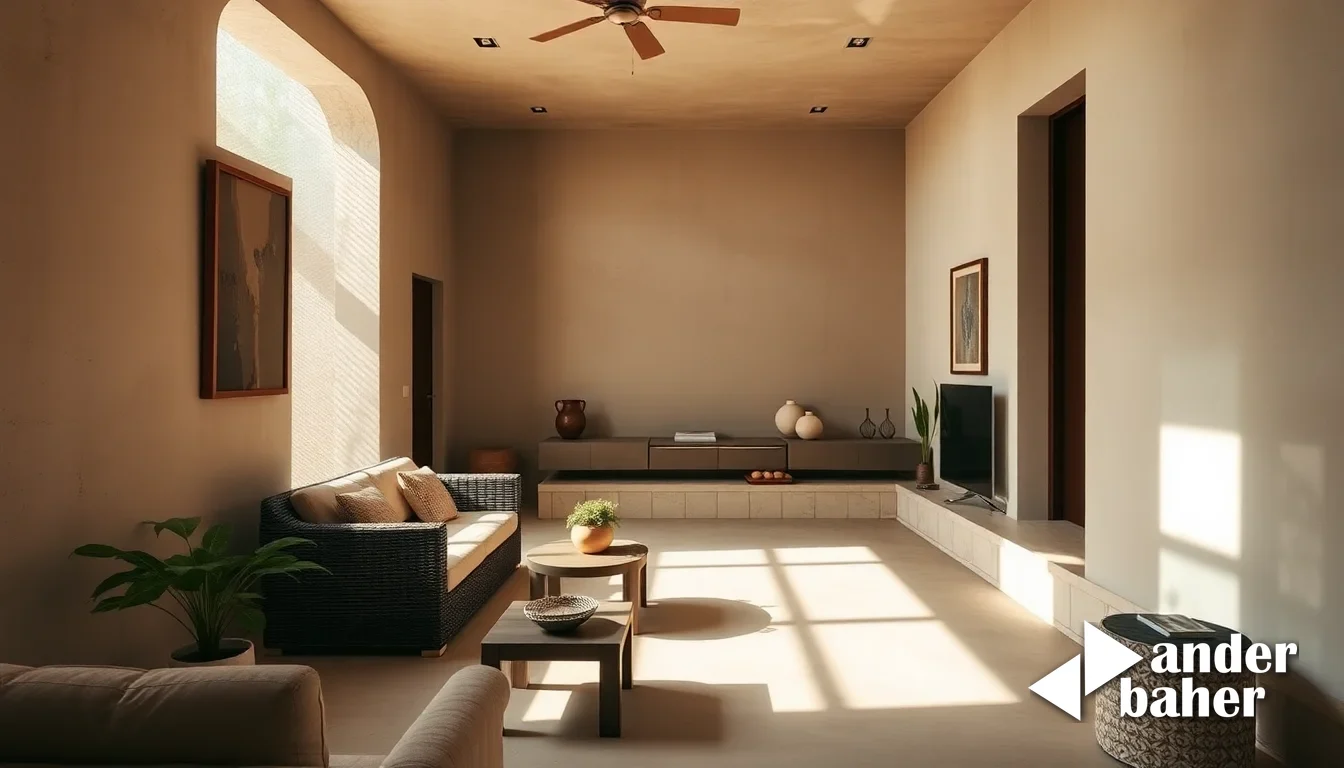
Walk through the older neighbourhoods of Bangalore or Mumbai, and terracotta speaks in whispers—faded roof tiles, crumbling window frames, the dusty patina of decades. For generations, it was the material of necessity, the default of vernacular building. Then came concrete, then glass and steel. Terracotta became something to strip away, to modernise past.
Yet something is shifting. Across Indian homes, architects and designers are returning to clay with neither reverence nor kitsch, but with deliberate intention. Not as revival, but as recalibration. The material is being placed alongside steel and plaster, used boldly in feature walls, sculptural partition systems, and bespoke floor treatments. It is being taken seriously.
The Logic of Clay in a Hot Climate
Terracotta's reemergence in contemporary Indian design is not sentimental. It is thermally intelligent. In a country where interior temperatures can become punishing, where air conditioning is both necessity and luxury, clay offers quiet resistance. Its density absorbs and releases heat gradually, moderating interior microclimates without energy input. The monsoon seasons that govern much of India's climate calendar find terracotta porous and forgiving—it breathes, swells, and settles in rhythm with humidity rather than fighting it.
This practical wisdom is being paired with aesthetic restraint. Contemporary Indian homes are using terracotta in ways that feel earned: thick-set tiles in living spaces that warm underfoot; terracotta screens that diffuse light while allowing air circulation; sculptural installations that acknowledge the material's weight and gravity rather than disguising it.
Materiality as Storytelling
What distinguishes this moment is the honesty of expression. Terracotta is being left largely unfinished, its surface texture and colour variation celebrated rather than concealed. The natural ochres and deep russets create depth without pattern, grounding interiors in the earth itself. In a design moment that often prizes novelty, there is quiet rebellion in choosing a material with centuries of presence in Indian soil.
Designers working across Mumbai and Bangalore are experimenting with scale and placement—oversized terracotta elements in small rooms, slender clay fins creating spatial rhythm, hand-thrown tiles arranged with visible irregularity. Each choice signals a departure from the uniformity that industrial materials promised. Terracotta's imperfections become intentional.
Towards Presence, Not Perfection
The conversation here is not about sustainability messaging or carbon footprints, though those matter. It is about presence. A terracotta wall in a contemporary home asks you to notice the grain of clay, the slight variation in tone, the way light moves across its surface across the day. It refuses to recede into the background. It insists on being inhabited.
For Indian homes navigating the tension between climatic reality and contemporary aspiration, terracotta offers a third path—one that doesn't require choosing between the old and new, between tradition and innovation. It simply asks for attention: to the materials beneath our hands, to the logic of place, to the stories our walls might tell.
Sources & further reading
- ArchDaily — T(errakota) House / Spacefiction Studio ↗
- Dezeen — Studio Three Sixty creates Sauna Theatre for Edinburgh Fringe festival ↗
- designboom — what do we stop seeing at home? ULTRA studio reframes domestic perception in tokyo ↗
- ArchDaily — Arlo House / Luis Royon Barea and Andreu Arévalo Llàcer ↗
An original Ander Baher perspective, informed by the coverage above.
Frequently asked
Why are architects choosing terracotta for homes in hot Indian climates?
Terracotta's density absorbs and releases heat gradually, moderating interior temperatures without energy input. Its porosity allows it to breathe with seasonal humidity swings—a practical intelligence that contemporary design is rediscovering.
How is terracotta being used differently in modern Indian interiors?
Rather than concealing the material, designers are celebrating its imperfections—leaving surfaces largely unfinished, experimenting with bold scale and placement, and using clay in sculptural partitions and feature walls alongside steel and plaster.
Does choosing terracotta mean compromising on contemporary design?
No. Terracotta offers a third path that doesn't require choosing between tradition and innovation. Its natural ochres and textural depth ground interiors in place while refusing to recede into the background—it insists on being inhabited.
Ready to transform your space — inside or out?
Tell us a little about your home or office. We'll get back within one working day.
Book a consultation