
Magazine › Sustainability
Sustainable Building Certifications 2024: What’s New in Green Architecture Standards
Stay ahead in the green construction revolution with insights into the latest sustainable building certifications and standards set to redefine the industry in 2024.
By the Ander Baher Editorial Desk · 4 March 2024
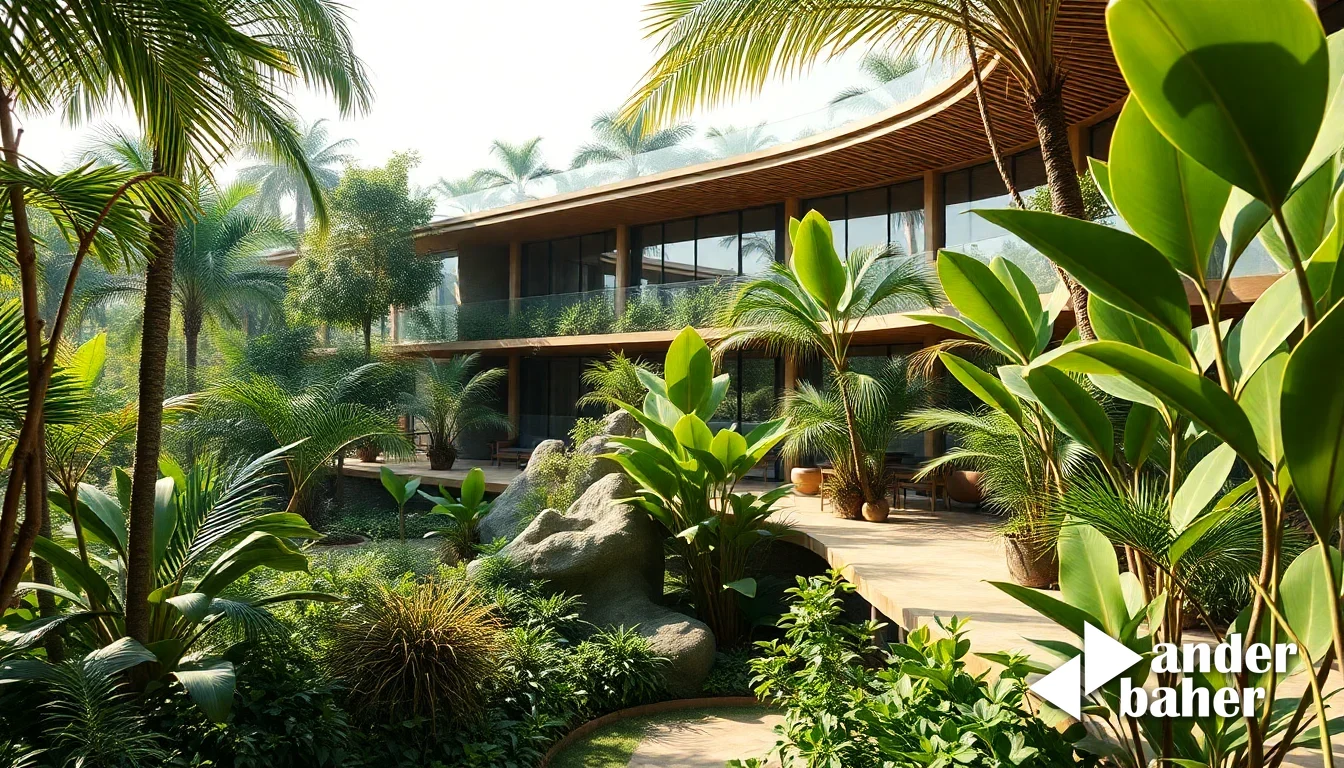
In the evolving landscape of sustainable architecture and construction, 2024 marks a significant year with new developments and updates in building certifications. These certifications play a pivotal role in guiding the industry towards more environmentally responsible and resource-efficient practices. Let's dive into the latest trends, updates, and introductions in sustainable building certifications that are shaping the future of green construction.
The Evolution of Green Certifications
Sustainable building certifications have long been benchmarks for measuring a building's environmental impact, energy efficiency, and overall sustainability. From well-established certifications like LEED (Leadership in Energy and Environmental Design) and BREEAM (Building Research Establishment Environmental Assessment Method) to newer players in the field, these frameworks have continuously evolved to address the growing challenges of climate change and environmental degradation.
What’s New in 2024
LEED v5 Rollout: The much-anticipated LEED version 5 brings forward stricter energy efficiency standards, a greater emphasis on renewable energy sources, and enhanced criteria for indoor environmental quality. It also introduces a dynamic scoring system that encourages ongoing improvements beyond the initial certification.
BREEAM 2024 Update: BREEAM's latest update focuses on resilience against climate change, incorporating criteria for assessing a building's adaptability to changing environmental conditions and its contribution to biodiversity.
WELL v3 Launch: The WELL Building Standard version 3 places a stronger emphasis on mental health and well-being, integrating advanced biophilic design principles and standards for acoustic comfort, air quality, and lighting that aligns with the human circadian rhythm.
Net Zero Certification by Green Building Council: A new certification focusing exclusively on net-zero energy and carbon buildings. This certification sets a comprehensive framework for design, construction, and operation phases to achieve net-zero status, promoting carbon neutrality in the built environment.
Passive House Plus: Building on the principles of the Passive House standard, the Plus certification introduces requirements for renewable energy generation, aiming for buildings that not only consume minimal energy but also contribute to the grid, pushing towards a sustainable energy future.
The Impact of New Certifications
These updates and new certifications reflect a shift towards more holistic and dynamic approaches to sustainability. By addressing the full lifecycle of buildings, from construction to operation, and focusing on aspects such as climate resilience, renewable energy, and occupant well-being, the industry is moving towards creating environments that are not just less harmful but are actively beneficial to both people and the planet.
Challenges and Opportunities
While these certifications provide a pathway towards sustainability, they also present challenges, particularly in terms of implementation costs, technical feasibility, and the need for ongoing compliance. However, the benefits—ranging from reduced environmental impact and operational costs to enhanced occupant health and productivity—offer a compelling case for their adoption.
Looking Ahead
As we look towards the future, sustainable building certifications will undoubtedly continue to evolve, reflecting the latest scientific research, technological advancements, and societal values. The developments in 2024 underscore the construction industry's commitment to sustainability and its role in combating climate change. By embracing these certifications, builders, architects, and developers can not only meet regulatory requirements but also lead the way in creating a more sustainable and resilient built environment.
Facebook Twitter LinkedInStill need help?
Get in touch with us
Frequently asked
What is LEED v5 and how does it differ from previous versions?
LEED v5 introduces stricter energy efficiency standards, greater emphasis on renewable energy, and a dynamic scoring system that encourages ongoing improvements beyond initial certification—reflecting the industry's shift toward holistic sustainability rather than one-time compliance.
Which 2024 certification should I prioritize for a residential or commercial project?
The choice depends on your project's priorities: LEED v5 for comprehensive environmental performance, WELL v3 if occupant health and biophilic design are paramount, or Net Zero Certification if carbon neutrality is your primary goal. Most premium developments pursue multiple certifications in parallel.
Are sustainable building certifications worth the implementation costs?
While upfront costs exist, certifications deliver measurable returns through reduced operational expenses, enhanced occupant productivity and well-being, regulatory compliance, and long-term property value—making them a sound investment for discerning developers and homeowners.
Ready to transform your space — inside or out?
Tell us a little about your home or office. We'll get back within one working day.
Book a consultation