
Magazine › Architecture
The Sloped Roof Garden: Where Architecture Meets Kinship
In Indian homes, a sloping green roof becomes more than shelter—it's a stage for everyday connection, reimagining how families inhabit vertical space.
By the Ander Baher Editorial Desk · 31 August 2026
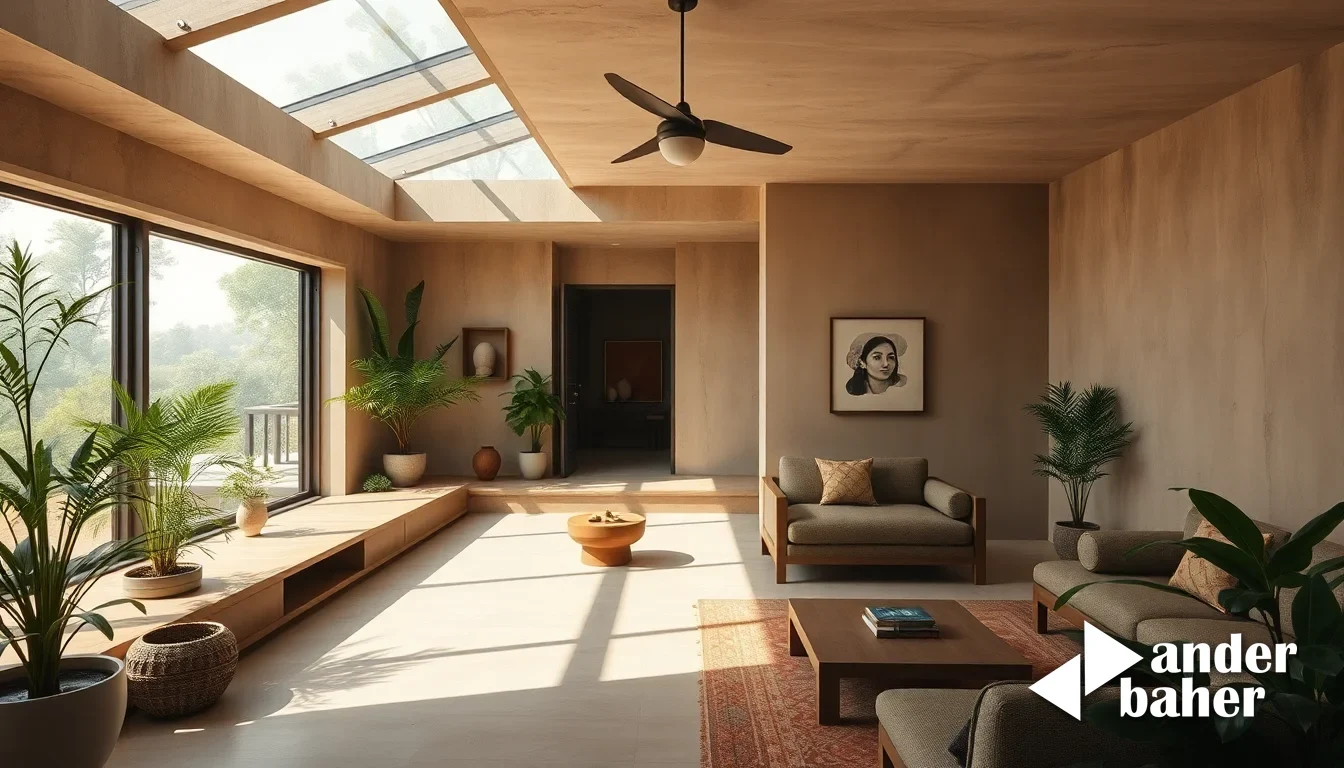
The roof, in Indian domestic tradition, has always been more than a weatherproof membrane. It's where mothers dry turmeric and chilies, where children fly kites, where evening conversations stretch into the night. A sloped green roof doesn't abandon this logic—it amplifies it, turning the architecture itself into a gesture of togetherness.
Consider how a pitched, planted roof differs fundamentally from the flat terraces familiar to most urban Indian homes. The slope isn't merely structural; it's social. It creates pockets of levelled seating, natural gathering points where the eye settles and the body finds rest. Where a flat roof can feel like an afterthought—something to escape to—a sloped planted roof invites lingering.
The Grammar of Gentle Slopes
In Mumbai's compact apartments or Bangalore's growing vertical neighbourhoods, a sloped roof garden reclaims narrative space within constraints. The incline itself becomes an organizing principle. Plantings follow the contours naturally; hardy grasses cluster where water collects, while succulents and natives perch on steeper sections. Gravity becomes a design partner, not an obstacle.
The slope also modulates light differently across the day. Morning sun hits the upper sections while afternoon shade pools in the valleys—creating microclimates that reduce irrigation needs and invite movement. A child doesn't simply run across it; they discover zones of sun and shelter, textures underfoot changing with each step.
Reimagining the Rooftop Ritual
For Indian families, the roof has always been semi-public—visible to neighbours, animated by seasonal activities. A planted slope formalizes this visibility without making it performative. The garden softens the hard geometry of surrounding buildings, creating what feels like a shared threshold between private domestic life and the city beyond.
Practically, such roofs demand intentional planting. Native species adapted to intense Indian sun and seasonal monsoons work best—ornamental grasses that bend without breaking, groundcovers that knit quickly, native shrubs that ask little of the soil. The slope itself becomes a teaching space: children observe how water moves, how plants establish differently on each face of the roof, how seasons reshape the landscape above their home.
The Quiet Revolution
What makes a sloped green roof distinctly of-this-moment is its refusal of the ornamental. It's not decorative excess; it's structural poetry. It cools the home passively, manages stormwater, and extends living space—all while reshaping how family members move through their most overlooked room.
In Indian metropolitan contexts, where pressure to optimize every square metre is intense, a sloped roof garden offers something rare: space that improves by being shared, that deepens the more it's inhabited. It asks architecture to remember that connection isn't a luxury feature—it's foundational. The slope simply makes that remembering visible, day after day.
Sources & further reading
- Dezeen — Sloping green roofs "keep the family connected" at Indonesian home ↗
- Dezeen — H3O uses "playful and intelligent gestures" to update historic Barcelona home ↗
- Dezeen — Lauri Design Studio renovates "calm, connected" Michigan lake house ↗
- Dezeen — Slanted facade encloses modular Czech home by Papundekl Architects ↗
An original Ander Baher perspective, informed by the coverage above.
Frequently asked
How does a sloped roof garden differ from a flat terrace garden in an Indian home?
A sloped planted roof creates natural gathering points and microclimates through its incline, where plantings follow contours and gravity becomes a design partner. Unlike flat terraces that often feel like afterthoughts, the slope actively invites lingering and movement, reshaping how families inhabit their roof.
Which plants thrive on sloped roof gardens in India's climate?
Native species adapted to intense sun and monsoons perform best—ornamental grasses that flex without breaking, fast-knitting groundcovers, and native shrubs with minimal soil demands. The slope itself naturally creates microclimates where hardy plants establish differently at each elevation.
Can a sloped roof garden work in Mumbai or Bangalore apartments?
Yes. In compact urban contexts, a sloped roof reclaims narrative space within structural constraints, modulating light across the day while reducing irrigation needs. The incline becomes an organizing principle that formalizes rooftop visibility without performance, softening surrounding building geometry.


Ready to transform your space — inside or out?
Tell us a little about your home or office. We'll get back within one working day.
Book a consultation