
Magazine › Architecture
Revolutionary VR in Architecture: Transforming Indian Design
Discover how Virtual Reality (VR) is revolutionizing architectural presentations in the Indian context. In this insightful blog, we dive into the world of immersive design visualization, enhanced client collaboration, cost and time efficiency, marketing, and sustainability considerations. Stay ahead
By the Ander Baher Editorial Desk · 8 November 2023
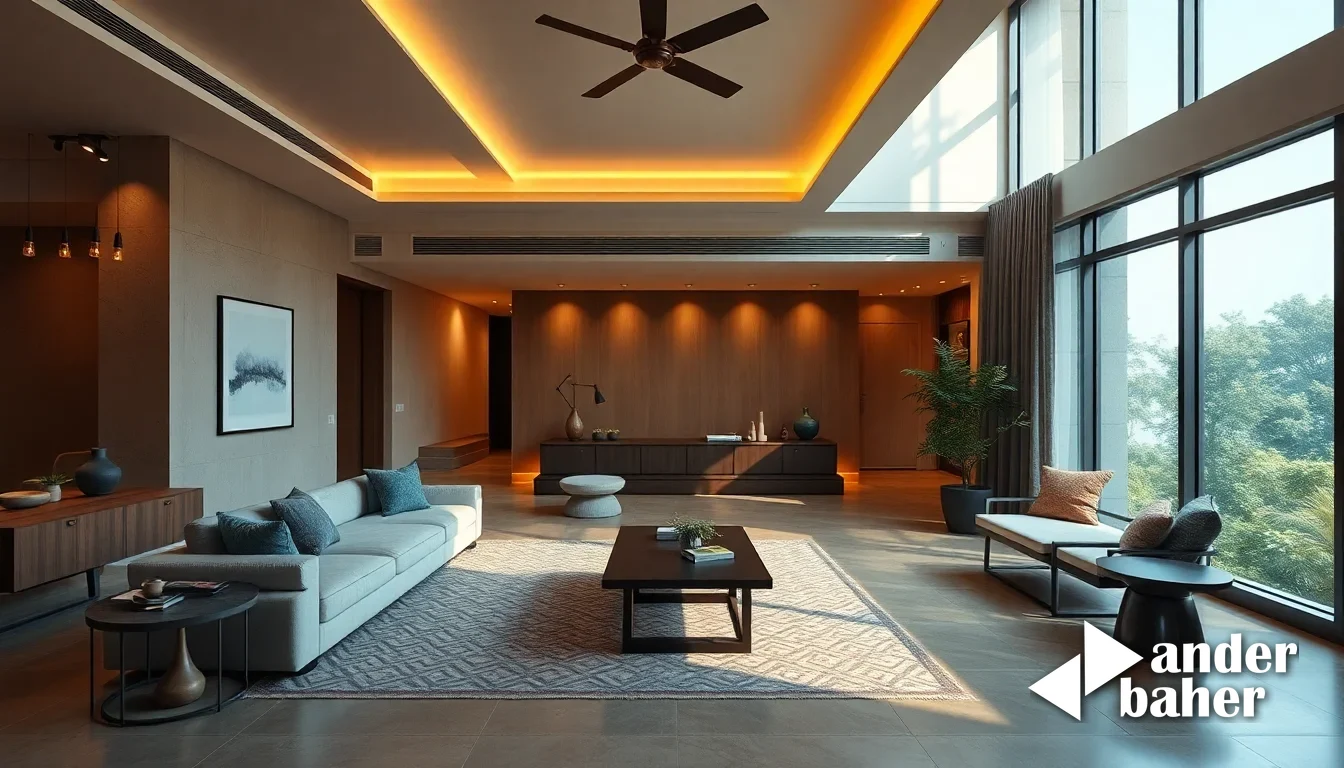
In the dynamic world of architecture and design, the need to captivate clients' imaginations and deliver immersive visualizations is paramount. As the architectural industry evolves, so do the tools and technologies that architects and designers employ. One such transformative innovation is Virtual Reality (VR), and in this blog, we'll delve into how VR is reshaping architectural presentations in India.
The Indian architectural landscape is no stranger to innovation, and the adoption of VR technology is ushering in a new era of design and presentation. Virtual Reality offers architects and designers the ability to create interactive, lifelike experiences that allow clients to explore their projects before they are even built. In this article, we will explore the significant role that VR plays in architectural presentations and how it is changing the way we experience architectural design in the Indian context.
- Immersive Design Visualization
Architectural projects in India have witnessed a significant shift in presentation methods. Traditional 2D blueprints and static 3D models are being supplemented or even replaced by immersive 3D virtual environments. VR allows architects to create realistic, interactive walkthroughs that provide clients with a profound sense of presence within the design. Clients can "walk" through their future homes, offices, or public spaces, gaining an unparalleled understanding of the design's spatial qualities, scale, and aesthetics.
- Enhanced Collaboration and Communication
VR technology bridges the gap between architects and their clients, enhancing communication and collaboration throughout the design process. By experiencing the design in a virtual environment, clients can provide more informed feedback, resulting in a more refined end product. It also enables architects to better understand their clients' preferences, leading to designs that truly reflect the client's vision.
- Cost and Time Efficiency
The architectural industry is known for its complex and time-consuming design processes. VR can streamline these processes by identifying design issues early, saving time and reducing the potential for costly revisions during construction. This efficiency is particularly crucial in the Indian context, where rapid urbanization and development are the norm.
- Marketing and Stakeholder Engagement
In India, where the real estate and construction sectors are booming, VR is becoming a game-changer in marketing architectural projects. It allows developers to create virtual showrooms, enabling potential buyers to explore properties from anywhere. Additionally, VR presentations are valuable tools for engaging with investors and other stakeholders, helping them make more informed decisions.
- Sustainability and Environmental Considerations
As sustainability becomes a central concern in architecture and design, VR plays a pivotal role in illustrating the environmental impact of a design. VR simulations can demonstrate how a building's orientation, materials, and energy efficiency affect its carbon footprint, making it easier for architects and clients to make eco-conscious decisions.
The adoption of Virtual Reality in architectural presentations has made a substantial impact on the Indian architectural landscape. By offering immersive design visualizations, enhancing collaboration, saving time and costs, and aiding marketing and sustainability efforts, VR has firmly established itself as a vital tool in the architect's toolkit.
India's architectural industry is embracing this innovative technology, not only to stay competitive but also to elevate the overall quality of architectural design and presentation. As VR continues to evolve, it will likely become an even more integral part of the architectural process, pushing the boundaries of what is possible in design and client engagement. In the rapidly developing Indian architectural context, Virtual Reality is truly transforming the way we envision and experience architectural design.
Facebook Twitter LinkedInStill need help?
Get in touch with us
Frequently asked
How does VR help clients understand architectural designs before construction?
VR creates interactive, lifelike walkthroughs that allow clients to explore spatial qualities, scale, and aesthetics in real time—transforming abstract blueprints into embodied experience.
Can VR reduce design revision costs and timelines?
Yes. By identifying design issues early in the virtual environment, architects can refine solutions before construction begins, significantly reducing costly revisions and accelerating the design process.
How is VR changing real estate marketing in India?
Virtual showrooms enable potential buyers to explore properties remotely, while VR presentations help developers engage investors and stakeholders with immersive, data-driven decision-making tools.
Ready to transform your space — inside or out?
Tell us a little about your home or office. We'll get back within one working day.
Book a consultation