
Magazine › Biophilic Design
Revitalize Your Mind with Biophilic Urban Design Principles
Explore the transformative power of biophilic design on mental well-being in urban landscapes, providing a much-needed connection to nature.
By the Ander Baher Editorial Desk · 8 March 2024
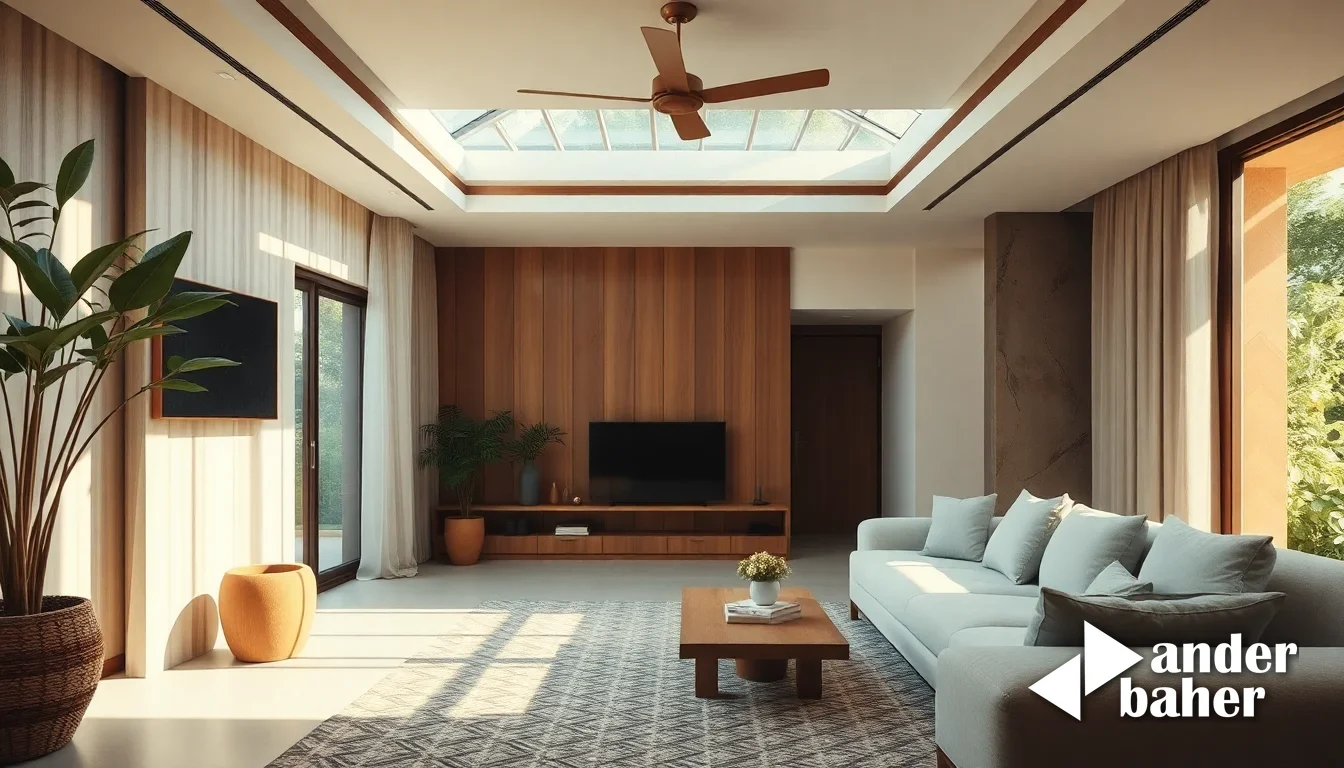
The Essence of Biophilic Design
Imagine stepping into an urban office space, where the sound of trickling water greets your ears, natural light bathes your skin, and greenery fills your vision. This is biophilic design at its core – an innovative approach that integrates nature into the built environment, aiming to satisfy our innate desire to connect with the natural world. But it's not just about aesthetics; the impact of biophilic design on mental health, especially in urban settings, is profound and multi-faceted.
The Connection Between Nature and Mental Well-being
The hustle and bustle of city life, with its concrete landscapes and digital overload, can be overwhelming, contributing to heightened stress levels and mental fatigue. In contrast, natural elements evoke a sense of tranquility and relaxation. Research has consistently shown that exposure to nature not only reduces stress but also enhances mood and improves cognitive function. Biophilic design leverages these benefits, offering an oasis of calm in the midst of urban chaos.
How Biophilic Design Influences Mental Health
- Stress Reduction: Incorporating elements like indoor plants, water features, and natural materials can significantly lower stress and promote relaxation.
- Improved Mood: Exposure to natural light and green spaces within urban environments has been linked to improved mood and increased happiness.
- Enhanced Cognitive Function: Natural settings have been shown to boost creativity, focus, and cognitive performance, contributing to a more productive urban workforce.
- Connection and Belonging: Biophilic design fosters a sense of community and belonging, crucial for mental health in densely populated urban areas.
Real-world Applications and Success Stories
From the vertical gardens of Milan's Bosco Verticale to Singapore's Gardens by the Bay, urban landscapes worldwide are embracing biophilic design. These spaces not only serve as green lungs for cities but also as sanctuaries for urban dwellers, illustrating the positive impact of nature on mental well-being.
The Role of Biophilic Design in Urban Planning
The integration of biophilic design into urban planning represents a paradigm shift towards creating more livable, mentally healthy urban environments. Planners and architects are increasingly recognizing the importance of green spaces, natural light, and other elements that contribute to the psychological well-being of city inhabitants.
Overcoming Challenges
While the benefits are clear, incorporating biophilic design into urban settings comes with its set of challenges. Issues such as space constraints, budget limitations, and maintenance requirements must be addressed. However, innovative solutions and technologies are paving the way for more nature-inclusive urban spaces.
FAQs
Q: Can biophilic design be applied in small urban spaces?
A: Absolutely. Even small interventions, such as green walls or rooftop gardens, can make a significant difference in mental well-being.
Q: Is there evidence supporting the mental health benefits of biophilic design?
A: Yes, numerous studies have documented the positive effects of nature and biophilic elements on stress reduction, mood improvement, and overall mental health.
In Conclusion
The impact of biophilic design on mental health in urban settings is undeniable. As we navigate the complexities of urban life, the need for nature becomes ever more apparent. Biophilic design offers a pathway to harmonize our innate need for nature with the realities of urban living, fostering environments that nurture our mental health and well-being. It's not just about bringing the outdoors in; it's about creating spaces that allow us to thrive physically, mentally, and spiritually in the urban jungle.
Facebook Twitter LinkedInStill need help?
Get in touch with us
Frequently asked
How does biophilic design reduce stress in urban office environments?
Natural elements—indoor plants, water features, and natural materials—create a physiological shift toward relaxation. Exposure to daylight and greenery has been shown to lower cortisol levels and diminish mental fatigue that accumulates in concrete-heavy cityscapes.
Can biophilic principles work in constrained Bengaluru and Mumbai spaces?
Absolutely. Green walls, rooftop gardens, and strategic indoor planting require minimal square footage yet deliver measurable cognitive and emotional benefits—ideal for the spatial realities of premium urban residences and offices.
What is the difference between biophilic design and simple interior landscaping?
Biophilic design is a deliberate, research-backed methodology that integrates nature to satisfy our innate psychological need for connection; landscaping is primarily decorative. The former addresses mental health; the latter addresses appearance.
Ready to transform your space — inside or out?
Tell us a little about your home or office. We'll get back within one working day.
Book a consultation