
Magazine › Biophilic Design
Revitalize Your Mind and Space with Neuroarchitecture
Dive deep into the realm of neuroarchitecture to explore how biophilic design — the practice of incorporating natural elements into architectural spaces — can profoundly impact our mental health and cognitive functions.
By the Ander Baher Editorial Desk · 14 March 2024
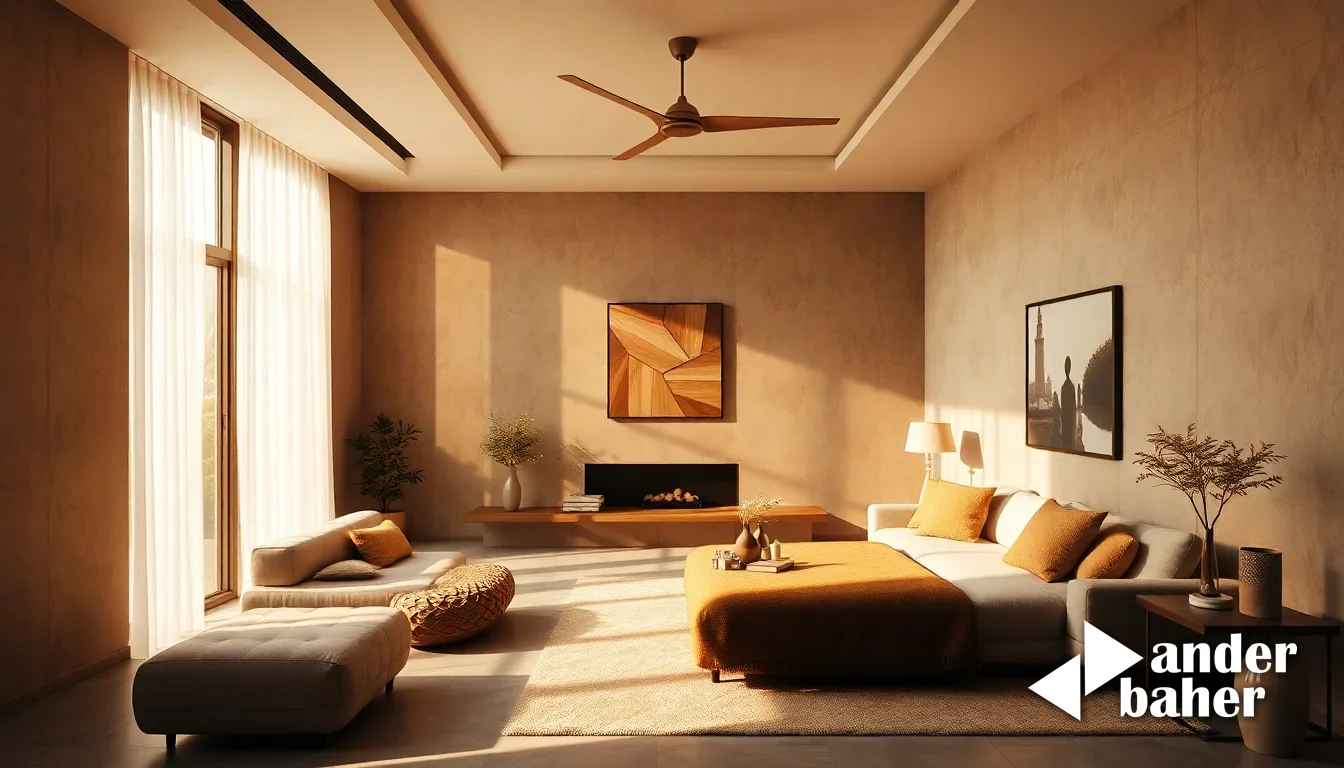
In the quest for a healthier, more sustainable way of living, the fields of neuroscience and architecture have intertwined, giving rise to a captivating new discipline: neuroarchitecture. This innovative approach examines how the built environment affects our brain and psychological state. At the heart of neuroarchitecture lies biophilic design, a principle that seeks to connect our inherent need to affiliate with nature in modern built environments. Let's embark on a journey to understand how biophilic design influences our brain, emotions, and overall well-being.
The Essence of Biophilic Design in Neuroarchitecture
Biophilic design transcends mere aesthetics, rooting itself in the idea that humans possess an innate affinity towards nature and natural processes. This design philosophy integrates elements such as natural lighting, vegetation, natural materials, and views of nature into architectural spaces to create environments that are mentally restorative and physically invigorating.
Why Does Biophilic Design Matter?
- Cognitive Function and Well-being: Research suggests that environments with natural elements can enhance cognitive function, reduce stress, and improve mood.
- Productivity and Creativity: Spaces designed with biophilic principles have been shown to boost productivity and foster creativity among their occupants.
- Health Benefits: Incorporating nature into our everyday spaces can lead to significant health benefits, including reduced blood pressure, heart rate, and stress hormones.
Real-World Examples of Biophilic Design
- The Edge in Amsterdam, Netherlands: Known as one of the greenest buildings in the world, The Edge incorporates extensive natural lighting, indoor gardens, and open spaces that mirror natural environments.
- Khoo Teck Puat Hospital in Singapore: This hospital design integrates lush gardens, natural ventilation, and water features, creating a healing environment for patients and a pleasant workspace for staff.
FAQs
Q: Can biophilic design be applied in any architectural style? A: Yes, biophilic design principles are versatile and can be integrated into various architectural styles, enhancing the connection between nature and built environments.
Q: How does biophilic design affect mental health? A: Biophilic design can significantly impact mental health by reducing stress, enhancing mood, and improving overall psychological well-being through direct and indirect nature connections.
Q: Is there scientific evidence supporting the benefits of biophilic design? A: Numerous studies have documented the positive effects of biophilic design on human health and well-being, including improved cognitive function, reduced stress levels, and enhanced mood.
The Future of Neuroarchitecture and Biophilic Design
The intersection of neuroscience and architecture, particularly through the lens of biophilic design, offers promising avenues for creating spaces that nurture our mental and physical health. As research continues to unveil the profound impact of our surroundings on our brain and behavior, the principles of neuroarchitecture and biophilic design are set to play a pivotal role in shaping the future of architectural design.
Creating Spaces That Heal and Inspire
The application of biophilic design in architecture demonstrates a powerful method of enhancing human well-being by fostering a deeper connection with nature. As we move forward, the integration of these principles in urban planning and architectural design is not just desirable but essential for creating environments that support our health, productivity, and happiness.
Conclusion
The fusion of neuroarchitecture and biophilic design represents a transformative approach to creating spaces that resonate with our deepest needs for nature and well-being. By understanding and applying these principles, architects and designers have the opportunity to craft environments that not only look beautiful but also positively influence our mental health and cognitive functions. As we continue to explore the intricate relationship between the brain and the built environment, the promise of neuroarchitecture and biophilic design shines as a beacon of hope for a healthier, more harmonious future.
Facebook Twitter LinkedInStill need help?
Get in touch with us
Frequently asked
How can biophilic design principles be integrated into an existing home without major renovation?
Natural elements—living walls, abundant daylight, indoor plants, and natural materials like stone and timber—can be layered thoughtfully into any space. Even modest interventions, from strategic window placement to material choices, reconnect interiors with nature's restorative rhythms.
What measurable wellness benefits should I expect from a neuroarchitecture-informed redesign?
Research documents reduced stress hormones, improved cognitive clarity, and elevated mood in biophilic spaces. The gains are subtle but cumulative—better sleep, sharper focus, and a palpable sense of calm that compounds over time.
Is biophilic design compatible with minimalist or contemporary aesthetics?
Entirely. Biophilic principles transcend style; a single living wall in a spare, modern room or a carefully framed view of nature is as effective as ornate botanical abundance. The principle adapts to your design language.
Ready to transform your space — inside or out?
Tell us a little about your home or office. We'll get back within one working day.
Book a consultation