
Magazine › Biophilic Design
Revitalize Your Mind and Space with Biophilic Neuroarchitecture
Discover the transformative power of Neuroarchitecture and how Biophilic design profoundly influences our brain, reducing stress and enhancing well-being. Learn how integrating natural elements into architectural practices not only beautifies spaces but also nurtures the human spirit, paving the way
By the Ander Baher Editorial Desk · 3 February 2024
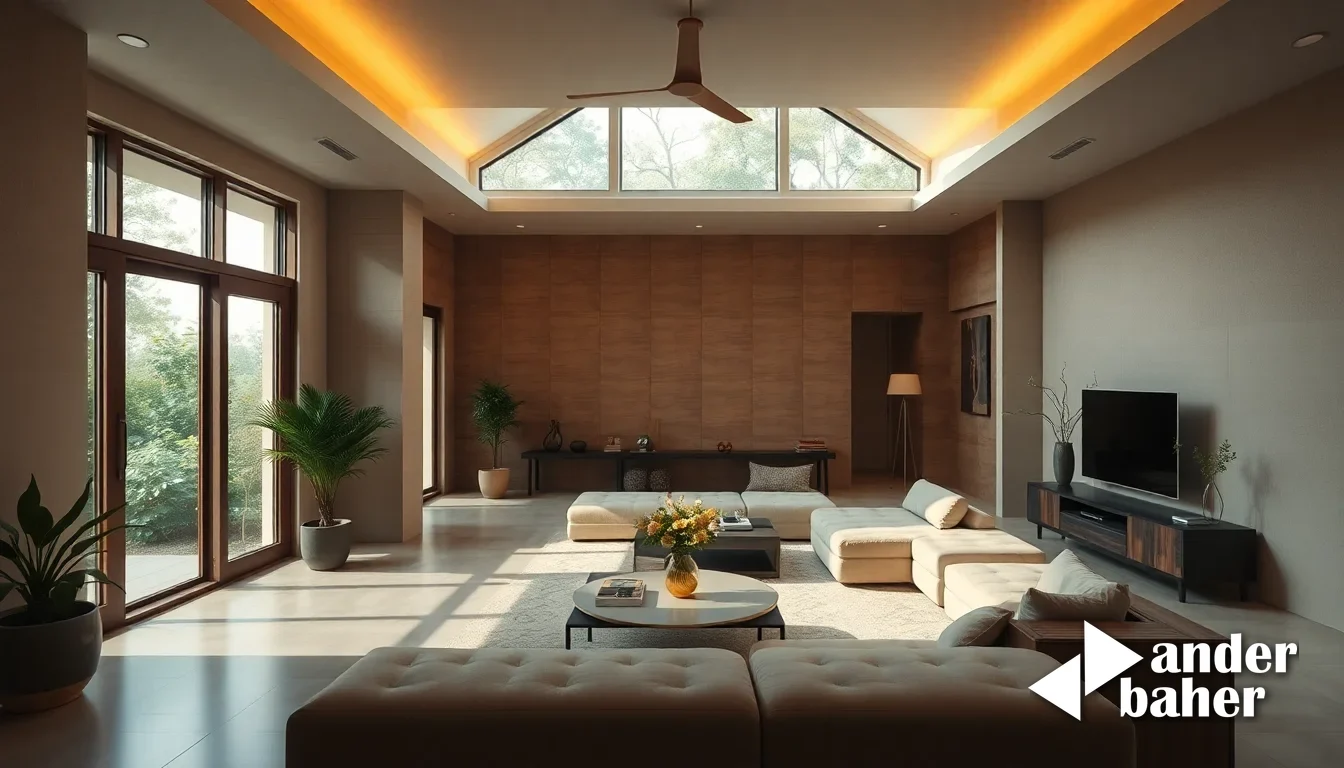
In the heart of our fast-paced, digitally driven society, the quest for serene and rejuvenating spaces has led to a revolutionary approach in architecture and design: Neuroarchitecture. This emerging field intersects neuroscience and architecture, with a special focus on Biophilic design. This blog post delves into the transformative power of Biophilic design on our mental and emotional well-being, underlining why it's not just a trend but a necessity in today's architectural practices.
What is Neuroarchitecture?
Neuroarchitecture explores how the built environment affects our neural responses, emotions, and overall mental health. It's a discipline that considers the psychological impact of design elements, from spatial configurations to the integration of natural elements, aiming to create spaces that foster well-being and enhance cognitive functions.
The Essence of Biophilic Design
Biophilic design is at the heart of Neuroarchitecture. It integrates natural elements into the built environment, drawing on the innate human affinity for nature. This approach goes beyond aesthetics, focusing on aspects that substantively improve health, cognitive function, and psychological well-being. Incorporating elements like natural lighting, vegetation, natural materials, and views of nature, Biophilic design is a testament to the symbiotic relationship between humans and the natural world.
Influencing the Brain: The Science Behind Biophilic Design
Research in neuroscience reveals that Biophilic design can significantly impact the brain's response to the environment, influencing stress levels, productivity, and emotional state. Here’s how:
- Stress Reduction: Natural elements have a calming effect, reducing cortisol levels and enhancing mood.
- Cognitive Performance: Exposure to nature and natural elements can improve concentration, creativity, and cognitive function.
- Emotional Well-being: Spaces designed with Biophilic principles can elevate happiness and reduce the risk of depression.
Practical Applications in Architecture
Incorporating Biophilic design into architecture involves more than just adding plants or windows. It's about creating a seamless bond between the built and natural environments. Here are examples of how to implement Biophilic design:
- Natural Light and Ventilation: Maximizing natural light and ensuring proper ventilation to mimic the natural environment.
- Use of Natural Materials: Incorporating wood, stone, and other natural materials to create a tactile and visually appealing space.
- Integrating Living Systems: From green walls to indoor gardens, integrating living systems can purify air and bring nature indoors.
- Creating Visual Connections with Nature: Designing spaces that offer views of the outside environment, contributing to mental relaxation and stress relief.
The Future of Architecture and Design
The integration of Neuroarchitecture and Biophilic design represents the future of architectural practices. As we continue to uncover the profound effects of design on the human psyche, the emphasis on creating spaces that are not only aesthetically pleasing but also psychologically nurturing becomes paramount. This approach not only enhances the quality of life but also fosters a sustainable and harmonious relationship with our natural surroundings.
Neuroarchitecture, with its focus on Biophilic design, offers a path forward in creating environments that nurture the human spirit. By understanding and applying the principles of how design influences the brain, architects and designers have the power to transform our living and working spaces into havens of well-being and productivity. As we embrace these principles, we pave the way for a future where architecture not only shelters the body but also uplifts the mind.
Are you ready to experience the transformative power of Biophilic design in your next project? Contact us to discover how our expertise in Neuroarchitecture can bring wellness, sustainability, and beauty into your space.
Facebook Twitter LinkedInStill need help?
Get in touch with us
Frequently asked
How does biophilic design actually affect stress and cognitive performance?
Neuroscience research shows that natural elements reduce cortisol levels, enhance mood, and improve concentration and creativity. Spaces designed with biophilic principles create a measurable psychological uplift through exposure to light, vegetation, and natural materials.
What's the difference between simply adding plants and true biophilic architecture?
Authentic biophilic design orchestrates a seamless bond between built and natural environments—layering natural light, ventilation, tactile materials, living systems, and visual connections to nature. It's a holistic approach that goes far beyond aesthetic decoration.
Can biophilic neuroarchitecture work in urban apartments or compact homes?
Absolutely. Even limited spaces benefit from maximized natural light, green walls, indoor gardens, views to nature, and natural materials. The principles scale to any setting—from Sarjapur Road penthouses to compact urban flats.
Ready to transform your space — inside or out?
Tell us a little about your home or office. We'll get back within one working day.
Book a consultation