
Magazine › Sustainability
Renewable Energy in Architecture: Designing a Sustainable Future
Exploring the integration of renewable energy in modern architecture, this blog delves into the innovative use of solar, wind, and geothermal technologies in design. It highlights the importance of sustainable practices, technological advancements, and the economic and environmental benefits of embr
By the Ander Baher Editorial Desk · 29 January 2024
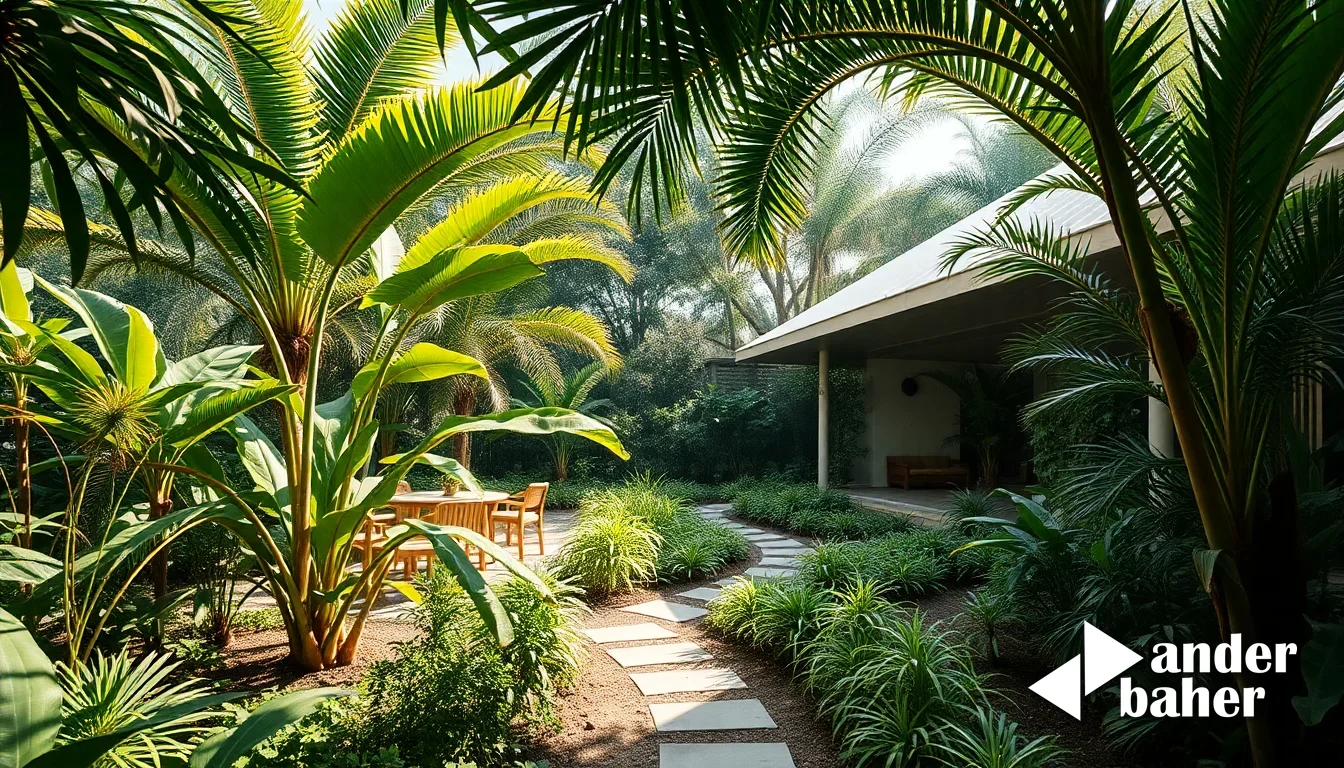
In the ever-evolving world of architecture and design, the integration of renewable energy sources has become not just a trend, but a necessity. The architectural industry is at a pivotal juncture where sustainable practices are transitioning from being an optional feature to a fundamental component in design philosophy. This shift towards renewable energy in architecture is driven by a growing awareness of environmental issues, technological advancements, and changing societal values.
Embracing Sustainability: The New Norm in Architecture
The concept of sustainability in architecture goes beyond merely reducing the negative environmental impact of buildings. It involves creating spaces that are efficient, comfortable, and harmonious with the environment. Renewable energy sources such as solar, wind, and geothermal energy play a critical role in achieving this goal. By harnessing these natural resources, architects can design buildings that are not only energy-efficient but also self-sustaining in many aspects.
Solar Power: Lighting the Way Forward
Solar energy has been a game-changer in the field of renewable energy. With advancements in photovoltaic technology, solar panels have become more efficient, affordable, and aesthetically versatile. Modern architectural designs are increasingly incorporating solar panels not just as an add-on, but as an integral part of the building's design. This includes building-integrated photovoltaics (BIPV) where solar elements are seamlessly integrated into the building envelope, serving as roofing, façade, or shading devices while generating power.
Wind Energy: Harnessing the Breeze
Wind energy, though less commonly used in urban architecture, offers significant potential, especially in high-rise structures. Innovations such as building-mounted turbines or aerodynamically designed buildings that funnel wind to turbines, are paving the way for wind energy integration in urban settings. These solutions not only contribute to a building's energy needs but also add a dynamic aesthetic element to the design.
Geothermal Heating and Cooling: Tapping into the Earth’s Core
Geothermal energy, derived from the Earth's internal heat, is another sustainable resource that is gaining traction in architectural design. By utilizing the constant temperatures below the Earth's surface, geothermal systems can efficiently heat and cool buildings. This method significantly reduces the reliance on traditional heating and cooling systems, leading to lower energy costs and reduced carbon emissions.
The Role of Technology in Sustainable Architecture
The advancement of technology plays a crucial role in integrating renewable energy into architectural design. Smart building technologies, for instance, enable the optimization of energy consumption by automatically adjusting lighting, heating, and cooling systems. Additionally, developments in battery storage technology are crucial for managing the intermittent nature of renewable energy sources, ensuring a consistent energy supply.
The Economic and Environmental Impact
Incorporating renewable energy in architectural design is not only environmentally responsible but also economically advantageous. Initially, the investment in renewable energy technologies might seem substantial, but the long-term savings on energy costs and the increasing demand for sustainable buildings make it a financially sound choice. Moreover, as governments worldwide offer incentives for green building practices, the economic benefits of renewable energy in architecture become even more pronounced.
Shaping the Future: Education and Policy
For the full potential of renewable energy in architecture to be realized, education and policy play a fundamental role. Architects, designers, and builders must be educated about the latest technologies and strategies in sustainable design. Equally important are governmental policies and regulations that encourage or mandate the use of renewable energy in buildings.
The integration of renewable energy in architectural design represents a bright and necessary path forward for the industry. As architects and designers, we have the opportunity and responsibility to lead the charge in creating a more sustainable and energy-efficient future. The buildings we design today should not only meet the needs of the present but also respect and protect the environment for future generations. The future of architecture lies in harmoniously blending design with sustainability, where renewable energy sources become a natural and essential element of architectural innovation.
Facebook Twitter LinkedInStill need help?
Get in touch with us
Frequently asked
How can renewable energy sources like solar and geothermal be integrated into residential architecture without compromising aesthetics?
Building-integrated photovoltaics (BIPV) and geothermal systems are now designed as seamless elements of the building envelope—functioning as roofing, façades, or shading devices—ensuring that sustainability enhances rather than detracts from architectural expression.
What is the long-term financial case for investing in renewable energy systems for a home or building?
While initial investment in renewable technologies is substantial, long-term energy cost savings, government incentives for green building practices, and rising market demand for sustainable properties create a compelling financial return over time.
Can wind energy be effectively used in urban high-rise residential or commercial buildings?
Yes; innovations such as building-mounted turbines and aerodynamically designed structures that channel wind to turbines are increasingly viable in urban settings, adding both functional energy generation and dynamic architectural presence.
Ready to transform your space — inside or out?
Tell us a little about your home or office. We'll get back within one working day.
Book a consultation