
Magazine › Materials
Recycled Materials in Indian Homes
A new generation of homeowners is discovering that reclaimed wood, salvaged stone, and repurposed metals tell richer stories than virgin materials ever could.
By the Ander Baher Editorial Desk · 31 July 2026
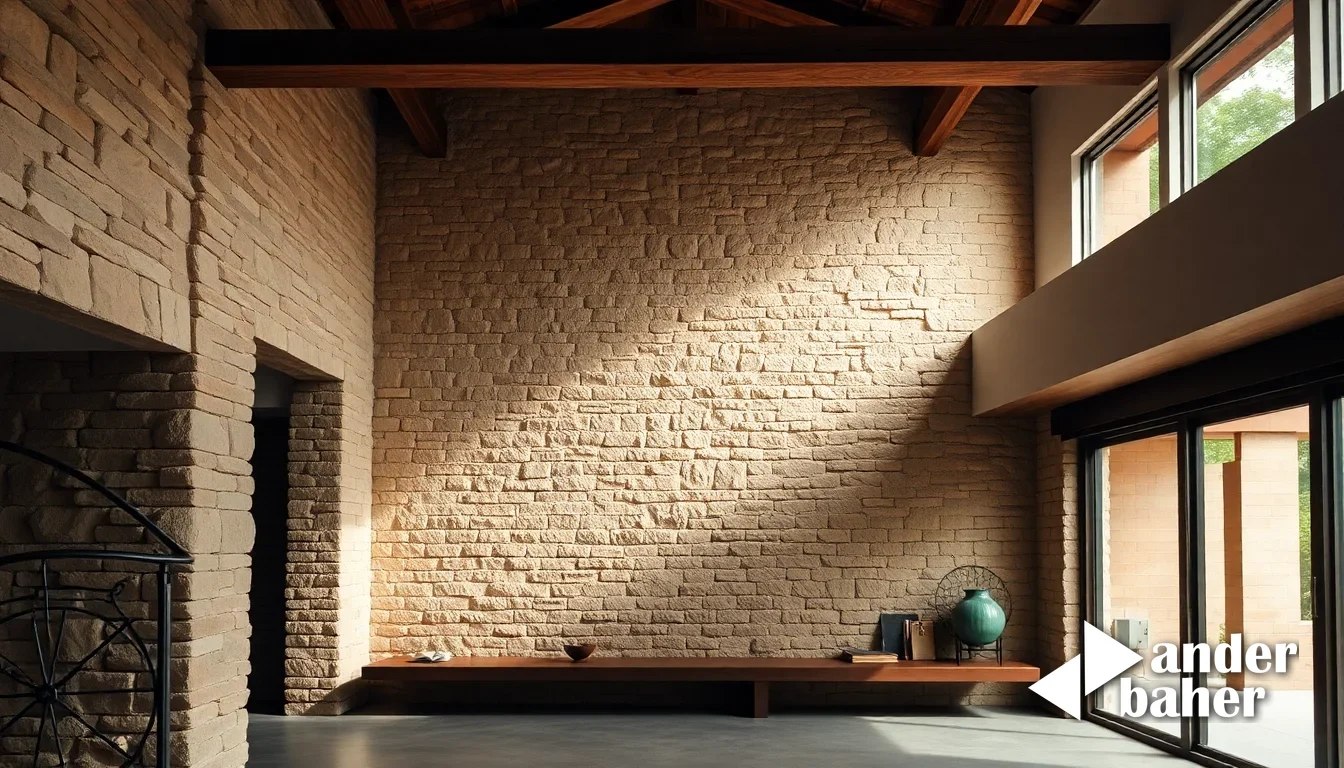
Walk into a Bangalore loft designed around a century-old teak door frame, and you understand immediately why recycled materials have stopped being a footnote in Indian interior design. The wood carries the patina of time—tool marks, oil stains, the subtle warping that only decades of monsoons can create. It cannot be replicated. It cannot be purchased at a showroom. It simply exists, patient and particular, waiting for a space that honors its second life.
The shift toward reclaimed and recycled materials in Indian homes reflects something deeper than trend-chasing. It emerges from a cultural memory of reuse, from generations who understood that a thing well-made deserved multiple lifetimes. What feels contemporary now is actually ancestral.
Beyond Nostalgia: The Practical Poetry of Reclamation
Recycled materials offer something that new construction cannot: authenticity of wear. A floor of reclaimed Indian stone doesn't need to be artificially distressed. The pockmarks are real. The color variations tell of different seasons, different feet, different eras. In Mumbai's colonial bungalows, salvaged hardwood from demolished structures finds new life as wall cladding, headboards, or architectural screens—each piece unique, each placement deliberate.
The practical advantages extend beyond aesthetics. Reclaimed wood is often denser and more stable than contemporary timber, having already undergone the major movements that come with aging. Salvaged bricks from old kilns carry thermal mass that new clay cannot match. Recycled metals—copper, brass, iron—develop patinas that speak to real oxidation, real time.
The Craft of Sourcing and Integration
Working with recycled materials requires a different mindset from specifying new finishes. A designer cannot simply order 200 square meters of consistent reclaimed wood. Instead, the practice becomes one of curation: visiting salvage yards, understanding the history embedded in each beam or slab, imagining how disparate pieces might compose into coherence.
In cities like Bangalore and Mumbai, a small network of skilled salvage dealers and restoration specialists now operate where only demolition contractors existed a decade ago. They understand that a carved wooden jali screen from a dismantled haveli can become a room divider with infinitely more presence than a mass-produced alternative. They know which old brickwork retains structural integrity and which has become too friable for anything but decorative application.
The integration requires thoughtfulness. Recycled materials don't perform well when treated as mere ornament—affixed to new drywall as theatrical backdrop. They belong in spaces designed around their logic: a wall of reclaimed stone should carry weight visually and perhaps structurally. Salvaged wooden beams should read as the actual structure they once were, not as decorative appliqué.
A Conversation With Time
Perhaps the deepest appeal of recycled materials lies in what they offer spiritually. They introduce a temporal dimension to interiors. In a moment when so much of our built environment is designed for obsolescence, a home built around materials chosen for their history becomes an act of resistance. It becomes a space where time is not erased but acknowledged, where the previous chapters remain legible.
This is not about fetishizing age or pretending that all old things are superior. It is about recognizing that materials that have survived decades of use carry information—about how they actually perform, how they age, what they can teach us. In choosing to build with them again, we enter into a conversation with the past and make a commitment to the future: that this too, will last, will mature, will eventually have a story worth telling.
Frequently asked
Why are recycled materials better than new materials for luxury interiors?
Reclaimed materials carry authenticity of wear and performance history that cannot be replicated—a floor of salvaged Indian stone bears real pockmarks; reclaimed wood is often denser and more structurally stable than contemporary timber. They introduce temporal depth to spaces, acknowledging rather than erasing time.
Where can I source quality recycled materials in Bangalore and Mumbai?
A growing network of specialized salvage dealers and restoration specialists now operates in both cities, having replaced demolition-only contractors. They curate pieces from dismantled structures, assess structural integrity, and match materials to design intent rather than treating reclamation as mere ornament.
How should recycled materials be integrated into modern home design?
Recycled materials perform best when the design is conceived around their logic—a reclaimed stone wall should carry visual and structural weight, salvaged beams should read as authentic structure rather than appliqué. Thoughtful integration ensures they contribute meaning, not merely texture.
Ready to transform your space — inside or out?
Tell us a little about your home or office. We'll get back within one working day.
Book a consultation