
Magazine › Materials
Recycled Materials in Architecture: Building a Sustainable Future
Dive into the world of modern architecture where recycled materials are not just a choice, but a statement. Learn how sustainability and innovation merge to create eco-friendly marvels.
By the Ander Baher Editorial Desk · 14 March 2024
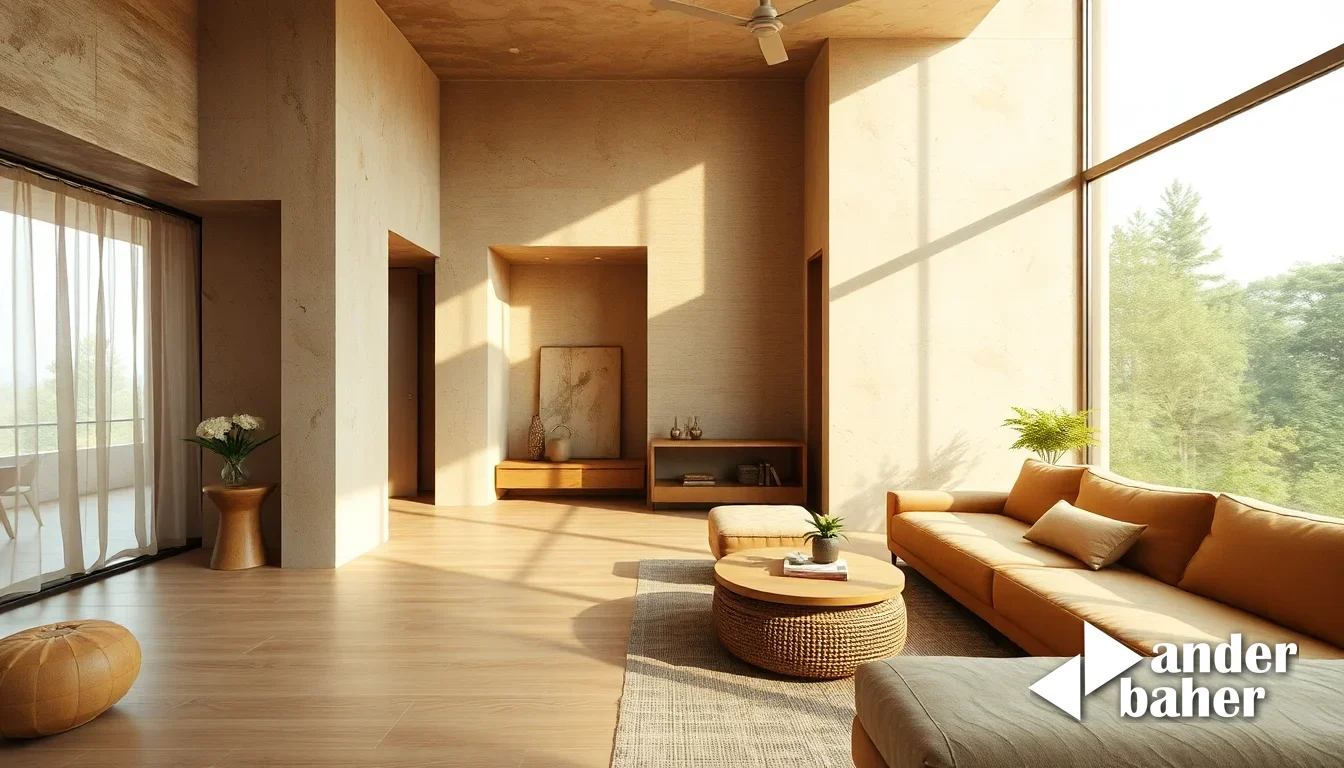
In the ever-evolving landscape of modern architecture, a new trend is taking center stage: the use of recycled materials. This approach isn't just about environmental responsibility; it's a radical rethinking of what buildings are made of and how they can reflect our commitment to the planet. Today, let's delve into how recycled materials are not only changing the face of modern architecture but also paving the way for a more sustainable future.
The Rise of Recycled Materials in Architecture
The incorporation of recycled materials into architectural designs is more than a nod to sustainability. It's a creative and innovative response to the pressing need for environmental stewardship in the construction sector. From repurposed steel and plastic to reclaimed wood and glass, these materials are breathing new life into buildings, transforming the way we think about construction and design.
Why Go Green?
- Environmental Impact: The construction industry is a significant contributor to landfill waste and carbon emissions. By choosing recycled materials, architects and builders significantly reduce the environmental footprint of their projects.
- Economic Benefits: Using recycled materials can also be cost-effective, reducing the overall expenses associated with sourcing and processing new materials.
- Aesthetic Appeal: Recycled materials offer unique textures and stories, adding depth and character to architectural designs that new materials simply cannot replicate.
Innovations and Examples
Across the globe, architects are pushing the boundaries of what's possible with recycled materials. Here are a few standout projects:
- The Waste House in Brighton, UK: Constructed almost entirely from discarded waste, the Waste House is a testament to the potential of recycled materials in building sustainable and energy-efficient homes.
- Plastic Bottle Village in Panama: This innovative project uses plastic bottles as insulation, showcasing how everyday waste can be transformed into a valuable construction resource.
- Recycled Brick Buildings: Around the world, architects are turning to recycled bricks, salvaged from demolition sites, to create buildings that are both sustainable and steeped in history.
FAQs
Q: Are buildings made from recycled materials as durable as those made from new materials? A: Absolutely! When correctly processed and utilized, recycled materials can match or even surpass the durability and longevity of new materials.
Q: Can any material be recycled into a building component? A: While not all materials can be recycled for construction use, a surprising range can be repurposed, including metals, plastics, glass, and wood.
Q: How do recycled materials impact a building's energy efficiency? A: Many recycled materials offer excellent insulation properties and can significantly reduce a building's energy consumption for heating and cooling.
The Future of Recycled Materials in Architecture
The trend of using recycled materials in architecture is more than a passing fad; it's a glimpse into the future of construction. As technology advances and society becomes increasingly aware of environmental issues, the demand for sustainable, innovative building practices will only grow. Architects and builders who embrace recycled materials today are not just constructing buildings; they're building a legacy of sustainability for generations to come.
Building a Greener Tomorrow
The use of recycled materials in modern architecture challenges us to rethink our relationship with waste and sustainability. By transforming what we once considered trash into the building blocks of beautiful, functional structures, we're not just changing the face of architecture; we're taking a bold step toward a greener, more sustainable future.
Conclusion
In wrapping up, the revolution of recycled materials in modern architecture is not just about the innovative use of resources; it's a holistic approach that encompasses environmental, economic, and aesthetic benefits. As we move forward, the integration of recycled materials in construction projects will likely become standard practice, reflecting a global commitment to sustainability and innovation. The future of architecture is green, and it's built on the foundation of recycled materials.
Facebook Twitter LinkedInStill need help?
Get in touch with us
Frequently asked
Can recycled materials in architecture truly match the durability of new construction materials?
When correctly processed, recycled materials perform equivalently to—or exceed—new materials in durability and longevity, offering both structural integrity and material authenticity.
How do architects integrate recycled materials while maintaining aesthetic refinement in luxury interiors and exteriors?
Reclaimed brick, salvaged steel, and repurposed wood provide singular textures and provenance that new materials cannot replicate, lending character and depth to discerning design.
What measurable environmental benefit do recycled materials offer over conventional construction resources?
Recycled materials substantially reduce landfill contribution and embodied carbon from the construction sector, while often lowering material sourcing and processing costs.


Ready to transform your space — inside or out?
Tell us a little about your home or office. We'll get back within one working day.
Book a consultation