
Magazine › Materials
The Art of Remainder: Reclaimed Scraps Reshape Indian Interior Design
Waste materials are becoming the foundation of thoughtful interiors—a shift that honours craft tradition while answering contemporary design demands.
By the Ander Baher Editorial Desk · 24 September 2026
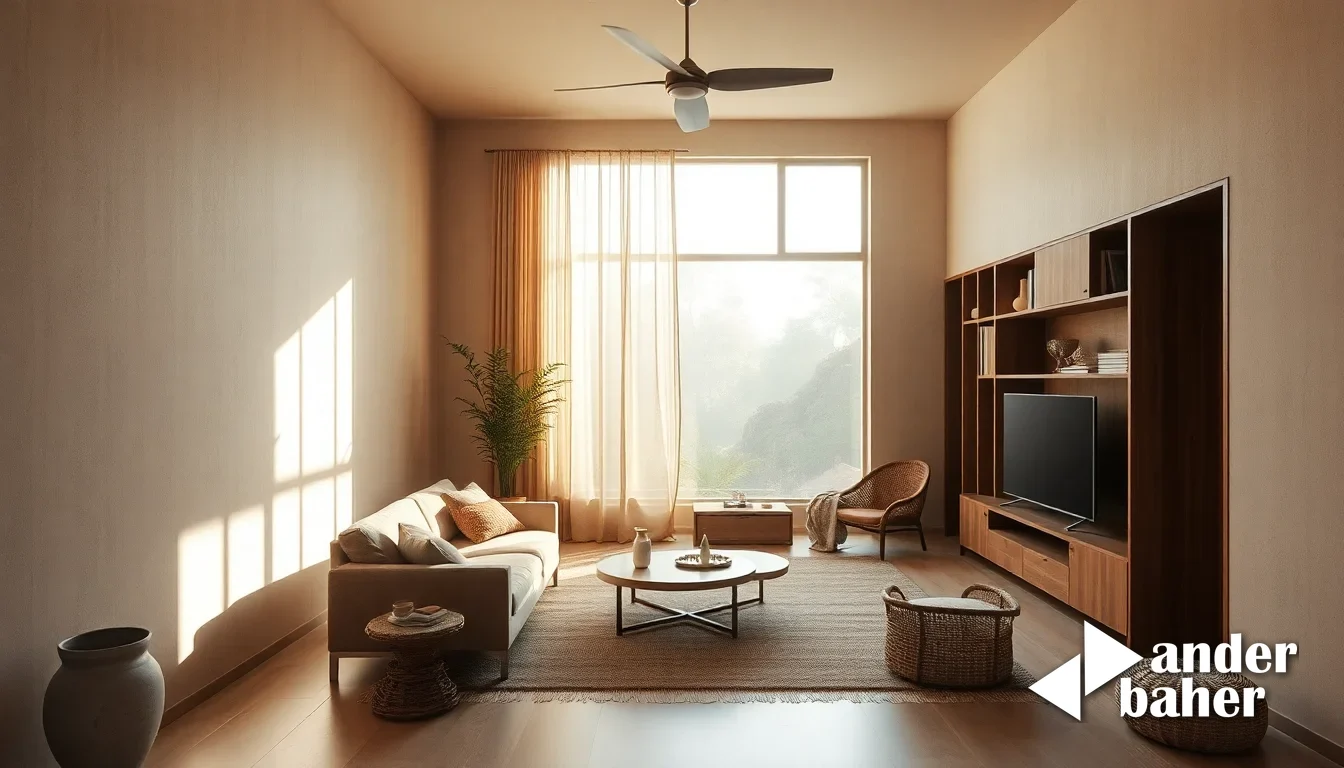
In a Mumbai workshop tucked behind a textile mill, a designer sorts through bins of leather remnants—offcuts from shoe factories, leather goods ateliers, upholstery studios. What arrives as industrial waste leaves as cushion covers, wall panels, sculptural room dividers. The logic is simple: use what exists before mining for what doesn't.
This practice, increasingly visible in global design discourse, resonates differently in India. For decades, our artisans have worked this way—not as trend, but as inheritance. The weaver using thread scraps to bind new cloth. The carpenter fashioning stool seats from wood slivers. The potter glazing bowls with clay dust mixed into new batches. What Western design circles now term "circular" or "regenerative," Indian workshops have called efficiency.
Scraps as Starting Point
The contemporary twist lies not in the practice itself, but in how remainder materials are now treated as primary design elements rather than accidental byproducts. A marble offcut becomes a side table. Fabric selvages—typically discarded—become decorative borders or textile art installations. Timber offcuts from furniture makers transform into shelving, room screens, or sculptural installations.
For homes across Bangalore and beyond, this approach offers practical and philosophical advantages. Space constraints—especially in urban apartments—demand that every object earn its presence. Materials sourced as remainders are often smaller, more considered, less wasteful. A designer working with a limited palette of offcuts must think more carefully about form, proportion, and placement than one working from unlimited inventory.
Craft Knowledge Meets Contemporary Need
The shift also reframes India's relationship with craft production. Rather than positioning artisanal making as heritage tourism, designing with offcuts values it as active, evolving practice. A leather worker isn't nostalgic about traditional techniques; they're solving a real constraint—and that constraint produces elegant solutions.
This becomes visible in interiors that feel intentional without looking curated. A bedroom wall lined with reclaimed wood slivers in varying tones and widths. A sitting area where cushions use leather scraps in a patchwork that reads as composition rather than compromise. Kitchen shelving built from offcut stone, each shelf slightly different in tone and finish.
The Quiet Economy of Thoughtfulness
Designing with remainders asks homeowners to relinquish the fantasy of seamless uniformity. Every piece carries visible history—slight colour variation, tool marks, the evidence of previous use. This authenticity becomes the design itself. There's no need for expensive aging techniques or artificial patina when material already carries time.
For those building or renovating homes, the practical entry point is conversation with makers and suppliers. Ask about offcuts. Establish relationships with local craftspeople who accumulate remainder materials. Visit workshops—not as tourists, but as collaborators interested in what scraps they hold and how those scraps might serve a new interior.
The most honest interiors aren't those that appear effortlessly perfect. They're spaces where constraint produced ingenuity, where remainder materials were treated as possibility, where nothing was wasted because nothing was assumed to be waste.
Sources & further reading
- Dezeen — Seven savvy pieces from London Design Festival made of material offcuts ↗
- Colossal — Across Two Exhibitions, Jaume Plensa’s Monumental Sculptures Unite Scale and Material ↗
- Dezeen — Building reuse defines shortlist for Scotland's best building ↗
- designboom — discarded road signs transform into monumental land art installation on sardinian shore ↗
An original Ander Baher perspective, informed by the coverage above.
Ready to transform your space — inside or out?
Tell us a little about your home or office. We'll get back within one working day.
Book a consultation