
Magazine › Architecture
The Raw Beauty of Indian Brutalism
Exposed concrete and brick are no longer industrial afterthoughts—they've become the material language of refined urban living across India's luxury homes.
By the Ander Baher Editorial Desk · 24 July 2026
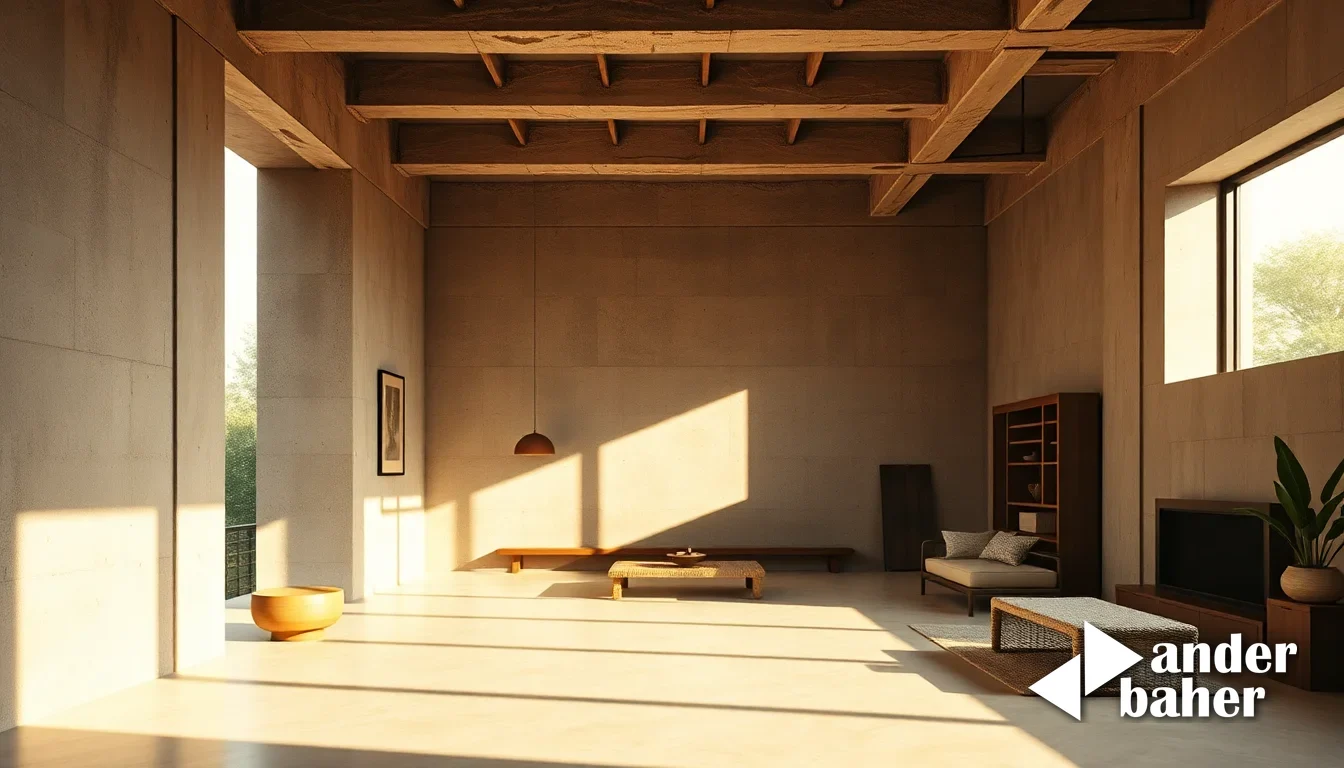
Walk into a Bangalore penthouse or a Bandra loft these days, and you're as likely to encounter soaring concrete columns and unflinching brick walls as you are sleek minimalist furnishings. The shift isn't accidental. Indian architects and designers have begun mining the vocabulary of brutalism—that mid-century architectural movement once dismissed as utilitarian—and transforming it into something altogether more nuanced: a language of luxury that speaks to authenticity, permanence, and restraint.
This reclamation feels particularly vital in Indian cities where construction itself remains visible, almost honest. Unlike Western brutalism, which emerged from postwar austerity and social idealism, Indian brutalism arrives at a different junction entirely. It's less about ideology and more about embracing what already exists: the raw materiality of our buildings, the texture of time, the beauty of imperfection.
From Industrial to Intentional
For decades, exposed concrete and brick were concealed beneath plaster, paint, and wallpaper—markers of unfinished work rather than deliberate design. The shift began quietly, in adaptive reuse projects and artist studios where budgets didn't permit cosmetic finishes. Designers noticed something: these raw surfaces possessed an unexpected warmth, a patina that expensive materials struggled to replicate. A concrete wall, left untouched, carries the fingerprints of its makers. Brick, unfired and left bare, breathes with the climate.
Contemporary Mumbai and Bangalore homes now celebrate this vocabulary. Load-bearing brick walls become feature walls, their deep ochres and burnt siennas paired with warm brass fixtures and natural linen. Concrete, rather than hidden, is polished or sealed to a soft matte finish that grounds a room without dominating it. The aesthetic isn't cold or austere—it's deeply residential.
Climate as Design Partner
Indian brutalism also makes pragmatic sense. Exposed brick and concrete thermal mass help regulate temperature in cities with intense summers and cooler winters. A room with unplastered brick walls remains naturally cooler, reducing reliance on air conditioning during months when cooling is the norm. Concrete, similarly, absorbs and releases heat gradually, creating thermal comfort without technological intervention.
This convergence of aesthetic and function appeals to homeowners increasingly conscious of their environmental footprint. The materials require no secondary finishes, no chemical paint stripping, no hidden infrastructure of pipes and wires running beneath aesthetic layers. What you see is what exists.
Texture Over Ornament
The rise of Indian brutalism marks a departure from decades of ornamental design. Rather than embellishment, these interiors emphasize surface, shadow, and material honesty. A concrete wall casts different shadows at different hours. Brick reveals the subtle variations in color and firing that mass production erases. Furnishings become restrained—often minimal, occasionally vintage—because the architecture itself carries sufficient visual weight.
Luxury, in this context, means the confidence to leave things unadorned. It's the investment in a perfectly polished concrete floor rather than marble. It's brick walls that required no intervention beyond careful selection and sealing. It's space itself becoming the primary material.
As Indian cities continue their rapid transformation, this aesthetic offers something increasingly rare: groundedness. In homes where change is constant and permanence uncertain, there's a quiet rebellion in celebrating the solid, the essential, the unapologetically real.
Frequently asked
Why are Indian architects embracing brutalism in luxury homes now?
Brutalism in Indian interiors represents a shift from concealment to authenticity—celebrating raw concrete and brick for their material honesty, thermal performance, and the patina of permanence that expensive finishes cannot replicate.
Does exposed brick and concrete actually help with cooling in Indian summers?
Yes. Thermal mass in exposed brick and concrete naturally regulates temperature by absorbing and releasing heat gradually, reducing air-conditioning dependency during hot months—a pragmatic benefit aligned with the aesthetic.
How do brutalist interiors work with furnishings and décor?
Brutalist architecture carries sufficient visual weight on its own, so furnishings remain restrained and minimal, often vintage or functional. Luxury here means the confidence to leave spaces unadorned and let materials—polished concrete, carefully selected brick—speak for themselves.
Ready to transform your space — inside or out?
Tell us a little about your home or office. We'll get back within one working day.
Book a consultation