
Magazine › Architecture
Pragna Krishna: Transforming Space Into Sanctuary
An architect's journey from vision to reality—how one designer's meticulous approach reshapes homes and commercial spaces across India.
By the Ander Baher Editorial Desk · 31 July 2026
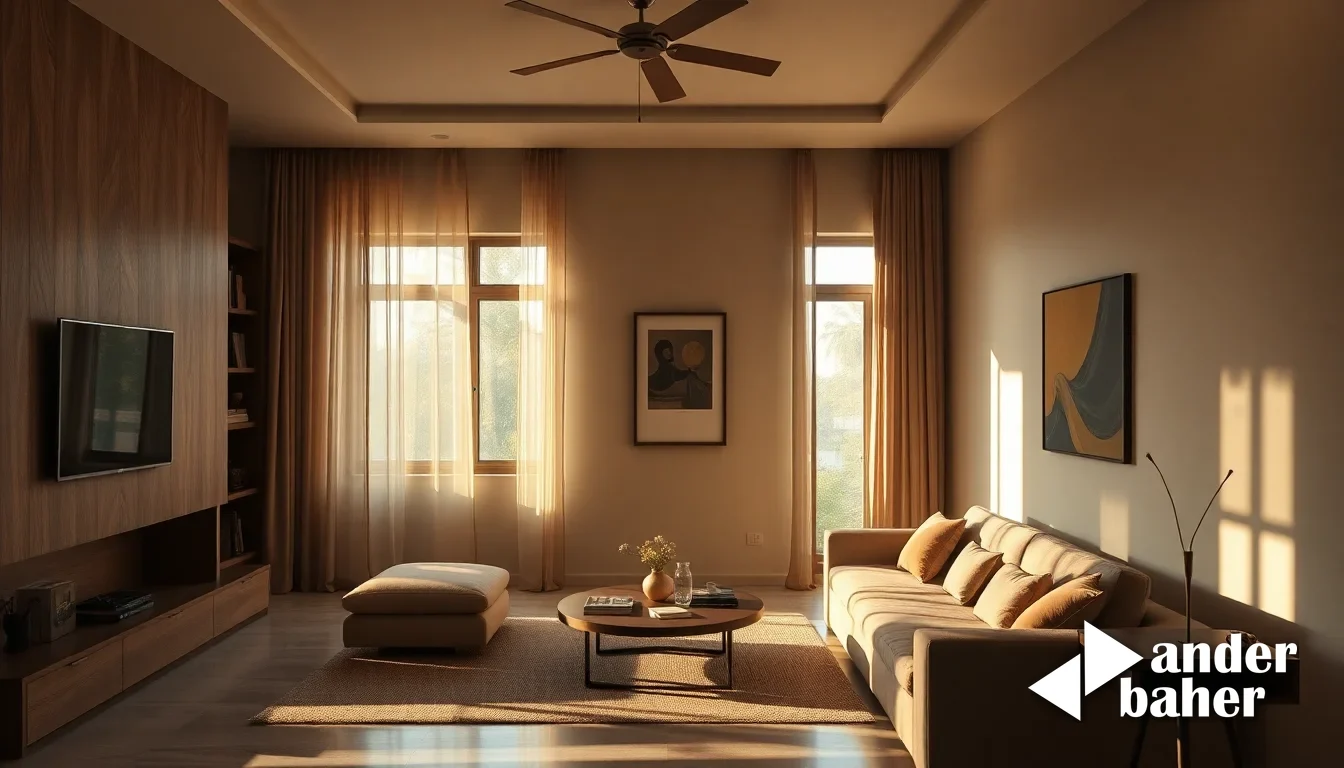
There exists a particular quiet confidence in spaces that have been truly understood. It's the kind of environment where light falls exactly where it should, where materials speak to one another rather than compete, where functionality dissolves into the background and only beauty remains visible. Walk through a Pragna Krishna project and you'll find yourself in rooms that seem to have known themselves all along.
Over two decades, Pragna has moved through India's design landscape—from Bangalore's tightly planned residential quarters to Mumbai's vertical living challenges—accumulating not just credentials but a deeper language for how people actually inhabit space. This is the difference between a designer with experience and one who has truly listened.
The Architecture of Understanding
What distinguishes Pragna's approach is her refusal to impose. Every project begins not with mood boards or Pinterest collections, but with careful observation. How does light migrate through the room at different hours? What is the family's actual rhythm—where do they gather, where do they retreat? For commercial spaces, she asks harder questions still: what behaviour does this environment need to cultivate?
Her technical fluency—AutoCAD, 3D Studio Max, the full suite of digital tools—becomes the translator between these observations and reality. The software doesn't drive the design; it serves it. Precision in execution matters because it allows her vision to breathe without compromise. A millimetre's difference in spacing can shift how a room feels entirely.
Language as Gateway
Pragna's facility with English, Hindi, Kannada, and Tamil opens something deeper than mere communication. It allows her to access the cultural textures of a space—the way a Bangalore family might relate to materials differently than a Tamil Nadu household, how regional aesthetics inform what feels like home. This linguistic bridge means she understands not just what clients say they want, but what they're reaching toward beneath the words.
For residential projects, this translates into homes that feel personal rather than styled. In commercial work, it creates environments where diverse teams can actually flourish. The distinction matters. Too many spaces feel generically aspirational, designed for Instagram rather than for living. Pragna's interiors and exteriors resist that flattening.
The Craft of Partnership
Her collaboration with ander baher represents something increasingly rare: a designer embedded within a platform that shares her values. Rather than working in isolation, she's part of a larger conversation about what thoughtful design means in contemporary India. Each project becomes a case study in how space can elevate daily life rather than merely contain it.
Whether she's designing a Mumbai apartment's flow or shaping a Bangalore home's relationship with its garden, the work remains fundamentally about one thing: creating environments where people can become more fully themselves. That's not marketing language. That's architecture in its truest sense—the deliberate composition of space as sanctuary.
Frequently asked
What makes Pragna Krishna's design approach different from other interior designers?
Rather than beginning with mood boards, Pragna starts with careful observation of how light moves through a space and how families actually inhabit it. Her designs refuse to impose, instead emerging from deep listening and cultural understanding—translating real life into thoughtfully composed environments.
Does Pragna Krishna work on both residential and commercial projects?
Yes. Her practice spans residential homes across Bangalore and Mumbai alongside commercial environments. For each, she applies the same philosophy: asking what behaviour or lifestyle the space needs to cultivate, whether for a family's daily rhythms or a diverse team's collaborative needs.
How does Pragna incorporate regional and cultural context into design?
Her fluency in English, Hindi, Kannada, and Tamil allows her to access the cultural textures of a space—understanding how a Bangalore family might relate to materials differently than a Tamil Nadu household, ensuring homes feel personal rather than generically styled.
Ready to transform your space — inside or out?
Tell us a little about your home or office. We'll get back within one working day.
Book a consultation