
Magazine › Interiors
Designing Interiors Around Natural Illumination
Natural light shapes mood, space, and how we inhabit our homes. Understanding its daily and seasonal rhythms is the foundation of thoughtful interior design.
By the Ander Baher Editorial Desk · 27 July 2026
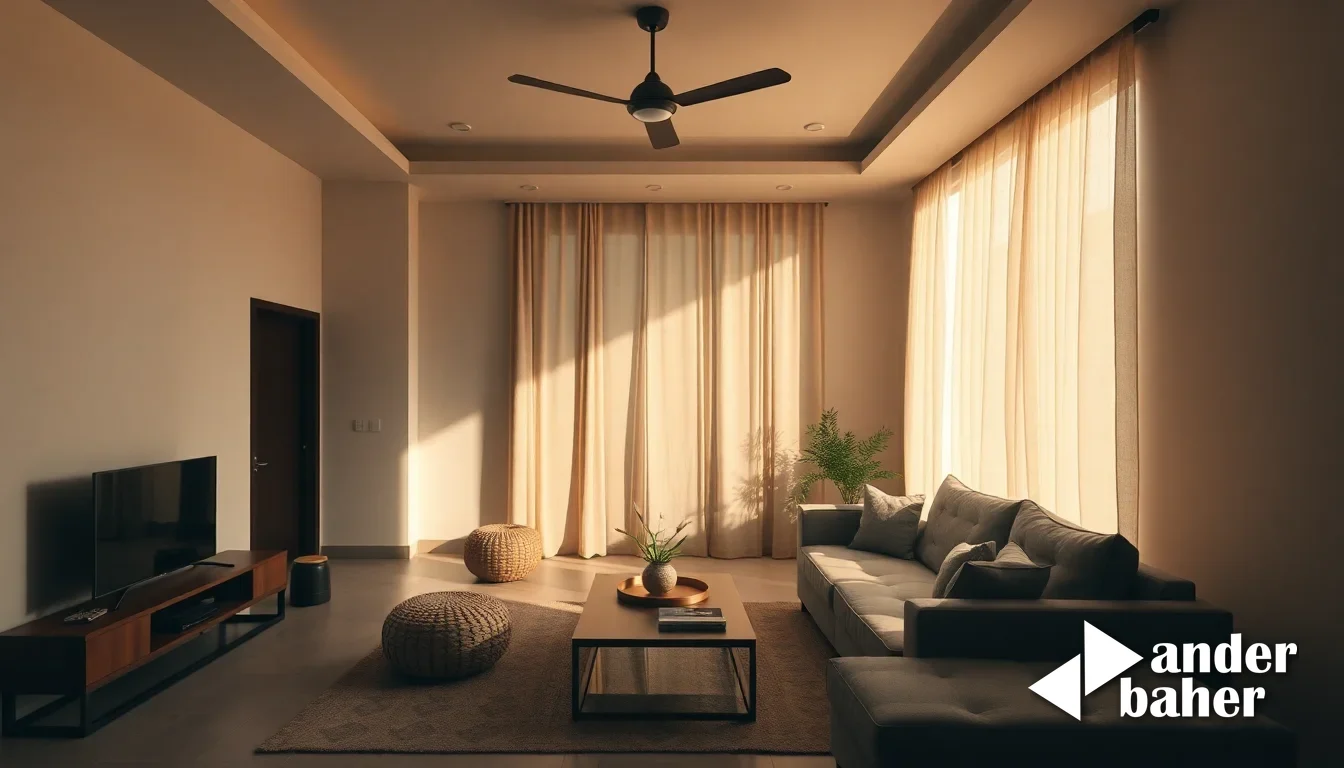
There is a particular quality to morning light filtering through a bedroom window—one that no artificial source can replicate. It arrives with the day itself, carrying temperature and intention. This is not incidental to interior design; it is foundational. The homes we remember living in well are invariably those where natural light has been considered as seriously as material finishes or furniture placement.
The difference between a room that feels generous and one that feels claustrophobic often comes down to how daylight moves through it. In Mumbai's dense urban fabric, where apartments stack vertically and overlooking is a genuine concern, every window becomes precious. In Bangalore's scattered bungalows, where light arrives abundantly, the challenge becomes managing and modulating its intensity. Neither is a simple problem, and neither is solved by adding more lamps.
Reading the Light
Before placing a single piece of furniture, the designer's first task is to understand how light behaves in a space across hours and seasons. A room that glows warmly at sunset may be brutally bright at noon. An east-facing wall receives sharp morning light; a north-facing one, the soft, consistent illumination that painters have long preferred. The southern exposure brings heat along with brightness—a consideration in India's climate that cannot be ignored.
This reading shapes everything that follows. If morning light floods your study through an eastern window, placing your desk to face that brightness becomes an act of welcome rather than a problem to solve with venetian blinds. If your living room receives afternoon western light, the paint colour you choose must account for how that warmth will amplify or diminish it.
Designing With and Against the Light
Thoughtful interiors work with these conditions rather than against them. Reflective surfaces—polished plaster, light timber, stone—become tools for distributing light deeper into a room. Conversely, textured and darker materials can anchor a space and prevent glare. The placement of mirrors is not decoration; it is light engineering. A mirror opposite a window doubles the illumination in a room, but its placement determines whether that effect feels natural or artificial.
Window treatments deserve particular attention. Rather than closing out light with heavy curtains, consider materials that filter while allowing visibility outward: linen, cotton, or wooden screens that create a rhythm of light and shadow on the floor. In Indian homes, the traditional jali pattern serves this exact purpose—creating privacy while maintaining the passage of light and air.
The Practical and the Poetic
There is also the matter of simply spending time in a room to understand it. How does light pool on the sofa at different hours? Where do you find yourself naturally gravitating? The best interiors emerge from this kind of patient observation. Natural light is not a problem to be solved but a material to be understood—as essential and as subtle as the materials that form the walls themselves.
When you design around daylight rather than against it, something shifts. Rooms become more honest. They breathe differently at dawn than at dusk. They change with the seasons. This is not inefficiency; it is the texture of living well in a space that acknowledges time itself as part of the design.
Frequently asked
How should I position furniture in a room with strong morning or afternoon light?
Rather than blocking light with heavy treatments, position seating and work surfaces to welcome it—a desk facing an east-facing window, for instance, or a sofa angled to catch soft northern illumination. The goal is to choreograph how you inhabit the light across the day, not to eliminate it.
What window treatments work best for privacy without sacrificing natural light?
Linen, cotton, and wooden screens—including traditional jali patterns—filter daylight while maintaining outward visibility and air circulation. These create a rhythm of light and shadow that feels organic rather than the blank opacity of heavy curtains.
How do reflective surfaces like mirrors and polished plaster affect a room's brightness?
A mirror positioned opposite a window doubles illumination and carries light deeper into the space, but placement is critical—it must feel purposeful rather than decorative. Polished plaster, light timber, and stone work similarly, distributing daylight rather than concentrating glare.
Ready to transform your space — inside or out?
Tell us a little about your home or office. We'll get back within one working day.
Book a consultation