
Magazine › Biophilic Design
Natural Light in Biophilic Design: A Transformative Approach for Interiors
Dive into the heart of the natural light revolution, where biophilic design principles are shaping brighter, healthier interior spaces for a more sustainable future.
By the Ander Baher Editorial Desk · 12 March 2024
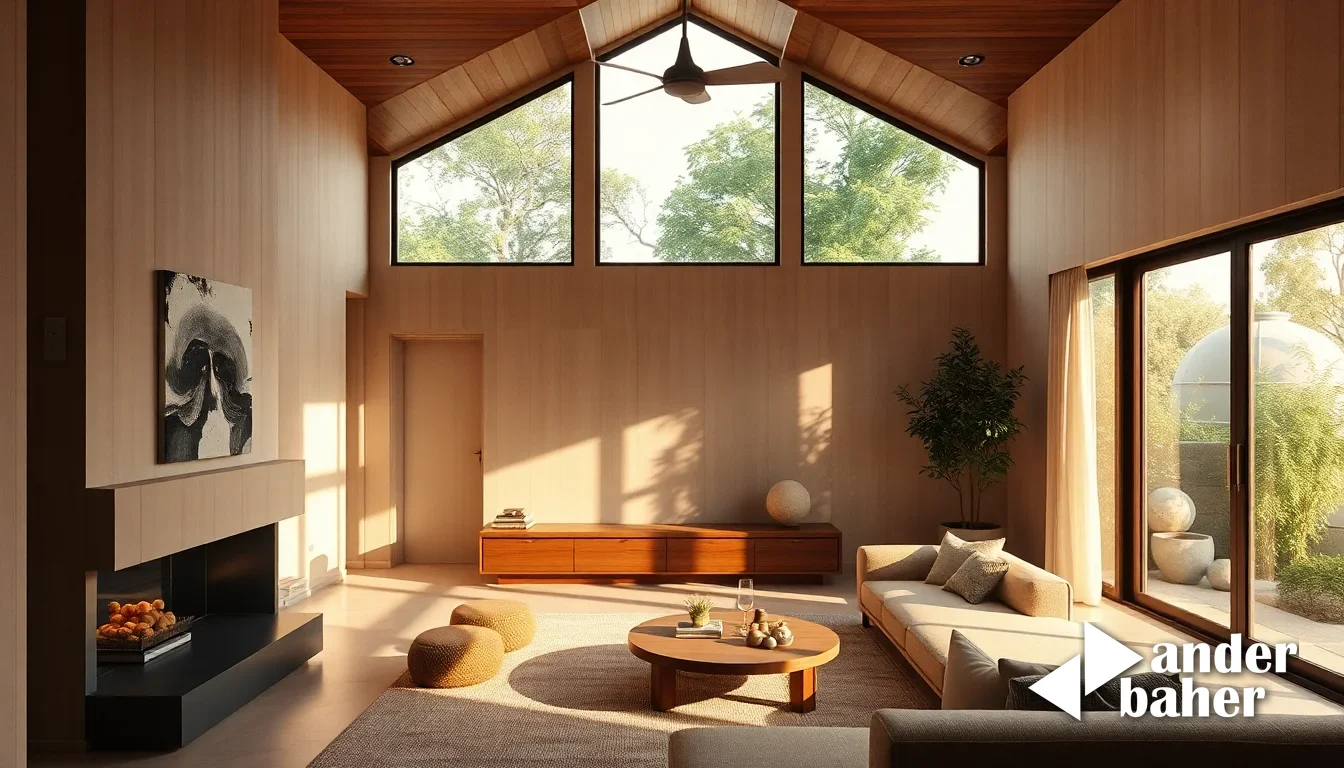
The natural light revolution is reshaping the way we think about interior spaces, moving beyond aesthetics to focus on health and well-being. At the forefront of this movement is biophilic design, a strategy that seeks to connect our innate affinity for nature with the built environment. This article explores the transformative role of natural light in interior design, highlighting biophilic strategies that promote healthier living and working environments.
Why Natural Light Matters in Interiors
Natural light plays a pivotal role in creating environments that support physical and mental health. This section delves into the science behind natural light's benefits, emphasizing its importance in daily life.
- Physical Health: Exposure to natural light helps regulate circadian rhythms, improving sleep quality and boosting the immune system.
- Mental Well-Being: Natural light can enhance mood, reduce stress, and increase productivity, making it an essential element in both residential and commercial spaces.
- Energy Efficiency: Incorporating natural light reduces the reliance on artificial lighting, leading to significant energy savings and a lower carbon footprint.
Biophilic Strategies for Integrating Natural Light
Biophilic design offers innovative ways to harness the power of natural light in interiors. This section outlines key strategies for integrating natural light into various spaces, ensuring environments that foster health and happiness.
- Maximizing Window Design: Utilizing large, strategically placed windows to maximize daylight penetration and offer outdoor views.
- Skylights and Light Tubes: Incorporating skylights and light tubes to bring natural light into central areas and deeper parts of buildings.
- Reflective Surfaces: Using mirrors and other reflective materials to bounce natural light throughout the space, enhancing its reach and intensity.
- Green Spaces and Indoor Gardens: Integrating indoor gardens and living walls to reflect natural light, improving air quality and adding a visual connection to nature.
Healthier Interiors: The Impact of Natural Light
The benefits of natural light in interior design extend far beyond aesthetics. This section explores the profound impact of biophilic design on health, well-being, and environmental sustainability.
- Enhanced Well-Being: Spaces that maximize natural light contribute to occupants' overall health, reducing the risk of seasonal affective disorder (SAD) and bolstering well-being.
- Improved Productivity: Studies show that workspaces with ample natural light see an increase in productivity and creativity among employees.
- Sustainable Design: Natural light strategies align with sustainable design principles, promoting energy efficiency and reducing the ecological footprint of buildings.
Leading Examples of Natural Light in Biophilic Design
This part of the article showcases exemplary projects that effectively incorporate natural light through biophilic design, illustrating the practical application of these strategies in modern interiors.
- The Edge, Amsterdam: Features a dynamic façade system that maximizes natural light while reducing glare, creating an optimal work environment.
- Bosco Verticale, Milan: This vertical forest integrates balconies with trees and plants, allowing natural light to filter through greenery, creating a unique indoor environment.
- Pixel Building, Melbourne: Incorporates a roof design with integrated photovoltaic panels and automated louvers to control natural light and heat, showcasing energy efficiency and occupant comfort.
Addressing FAQs on Natural Light and Biophilic Design
Q: Can natural light be integrated into all types of buildings? A: Yes, with creative design solutions, natural light can be integrated into various buildings, from new constructions to renovations of existing structures.
Q: How do biophilic design and natural light contribute to sustainability? A: By reducing the need for artificial lighting and heating, they lower energy consumption and carbon emissions, contributing to a building's overall sustainability.
Q: Are there any challenges in incorporating natural light into interiors? A: Challenges can include maintaining privacy, managing heat gain, and ensuring uniform light distribution, all of which can be addressed through thoughtful design and technology.
In Conclusion
The natural light revolution, fueled by biophilic design, is not just about bringing more light into our spaces; it's about redefining the relationship between the built environment and the natural world. By prioritizing health, well-being, and sustainability, this approach offers a brighter future for interior design. As we continue to explore and innovate, the integration of natural light in interiors remains a key element in creating spaces that are not only beautiful but also beneficial for our mental and physical health.
Facebook Twitter LinkedInStill need help?
Get in touch with us
Frequently asked
How does natural light improve health in interior spaces?
Natural light regulates circadian rhythms, enhancing sleep quality and immune function while reducing stress and boosting mood—making it essential for both residential and commercial environments.
What biophilic strategies best maximize natural light in darker home areas?
Skylights, light tubes, and reflective surfaces strategically direct daylight into central and deeper zones, while indoor gardens amplify light penetration while connecting occupants to nature.
Can biophilic design with natural light reduce energy costs?
Yes—by minimizing reliance on artificial lighting and optimizing passive thermal control, natural light strategies lower energy consumption and carbon footprint without compromising comfort or privacy.
Ready to transform your space — inside or out?
Tell us a little about your home or office. We'll get back within one working day.
Book a consultation