
Magazine › Architecture
Learning to See: Why Architecture Education Matters for Your Home
The way we design our living spaces reflects how we've learned to observe them. A case for thoughtful architectural thinking in Indian domestic design.
By the Ander Baher Editorial Desk · 29 September 2026
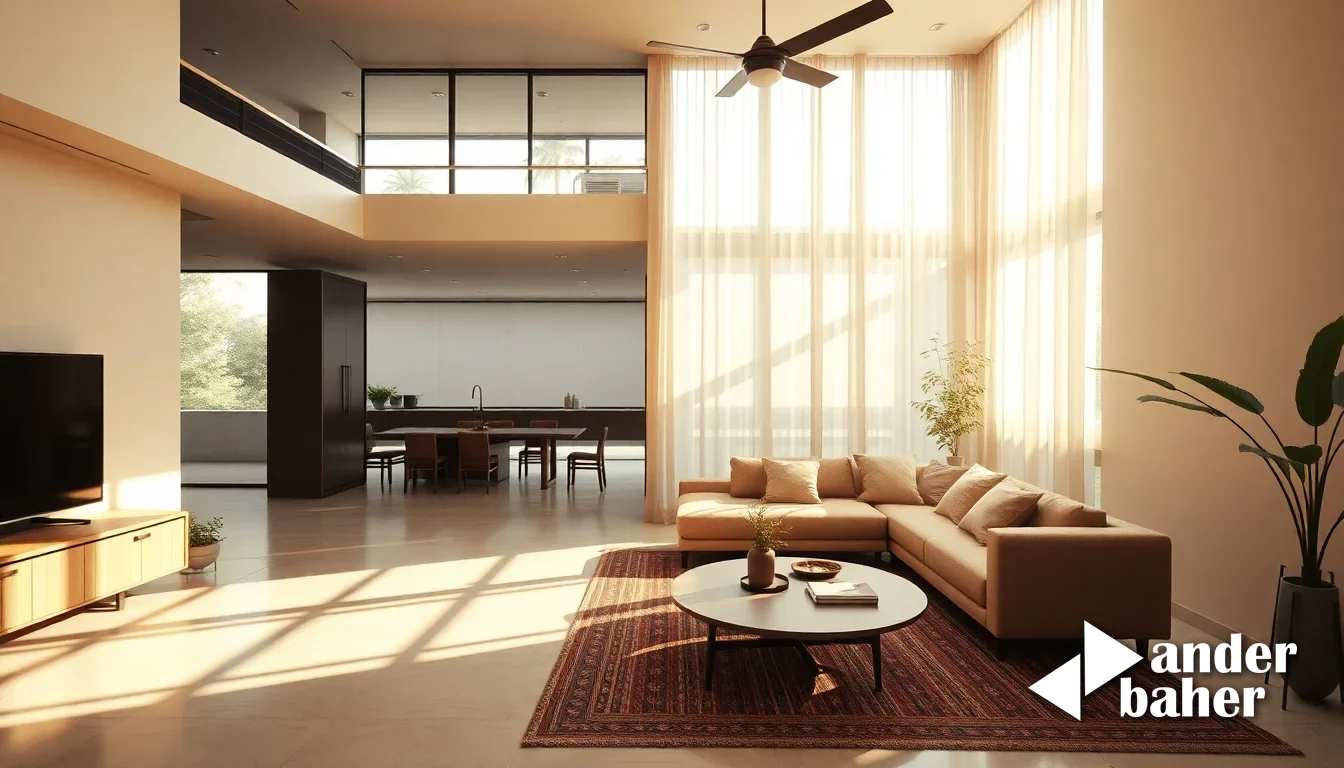
There's a moment in any architect's practice when they realize their training wasn't really about buildings at all—it was about learning to see. To notice how light moves through a corridor at 4 p.m., how a room breathes differently depending on the proportions of its openings, why a staircase can feel generous or cramped despite occupying the same floor area. This literacy of observation, once acquired, becomes inseparable from how one inhabits and creates space.
The current conversation around architecture education carries particular weight for India, where the majority of residential design happens outside formal design processes. Consider the typical Bangalore apartment renovation, the Mumbai balcony extension, the Pune courtyard reimagining—these are spaces shaped by budget, precedent, and intuition rather than by trained spatial thinking. Yet the hunger for better design is unmistakable in how homeowners engage with these decisions.
The Gap Between Building and Knowing
Architecture education at its best teaches something deceptively simple: how to think systematically about inhabitation. Not style, not trends, but the fundamental relationship between body, light, material, and shelter. When architectural pedagogy emphasizes research, precedent, and experimentation—rather than style decoration—it produces a different kind of thinking entirely.
This matters for the Indian home precisely because we inherit such varied spatial traditions. A Maharashtrian wada, a Kerala tharavad, a Rajasthani haveli—each contains embedded knowledge about climate, family structure, material availability, and seasonal living. That knowledge wasn't arrived at through decoration; it emerged from rigorous observation and adaptive design.
Bringing Architectural Thinking Home
The homeowner who understands basic principles—how to work with orientation, how cross-ventilation functions, what ceiling height communicates—arrives at better decisions. Not because they've become architects, but because they've developed spatial literacy. They ask sharper questions of their designers. They understand trade-offs instead of chasing images.
A small library in South Delhi redesigned with understanding of solar paths becomes naturally cooler and more pleasant. A Bombay living room configured around actual daily rituals rather than aspirational entertaining feels lived-in from day one. A Bangalore kitchen organized around workflow rather than appliance placement becomes genuinely functional.
This is architecture in its most honest form: not monuments or signature moves, but spaces that understand and serve the lives within them.
The Practice of Seeing
Perhaps the real lesson from contemporary architectural education is this: becoming a better inhabitant of space requires intentional looking. Spend a morning observing how your home's light changes. Notice where drafts move. Understand why certain corners feel awkward. This isn't mysticism—it's the foundation of architectural thinking.
Whether or not you ever pursue formal design training, cultivating this observational practice transforms how you approach your surroundings. It turns living spaces from backdrops into participatory environments. And in a country with such rich spatial traditions, recovering this capacity for thoughtful inhabitation might be our most urgent design work.
Sources & further reading
- Dezeen — Five architecture courses recently featured on Dezeen Courses ↗
- Dezeen — Grid radiator by Tubes among seven new products on Dezeen Showroom ↗
- Dezeen — Dezeen Awards 2026 public vote is now open ↗
- designboom — dark wood and deep green turn alfa romeo’s iconic design into caffè fortuna in taipei ↗
An original Ander Baher perspective, informed by the coverage above.
Frequently asked
Do I need formal architecture training to design my home better?
No—what matters is developing spatial literacy: understanding how orientation, light, and proportion shape daily life. A homeowner with these principles asks sharper questions of their designer and makes better trade-offs than one chasing images alone.
How does Indian architectural heritage apply to modern apartment living?
Traditional spaces like waadas, tharavads, and havelis contain embedded knowledge about climate, family structure, and seasonal living. That rigorous adaptive thinking—not the decoration—remains relevant to contemporary homes in Bangalore, Mumbai, or Delhi.
What's the first step to understanding my home's spatial qualities?
Spend a morning observing: trace how light moves through rooms at different times, notice where drafts occur, identify corners that feel awkward. This intentional looking is the foundation of architectural thinking and transforms how you inhabit any space.
Ready to transform your space — inside or out?
Tell us a little about your home or office. We'll get back within one working day.
Book a consultation