
Magazine › Architecture
The Inward Turn: Designing Privacy Within Density
How contemporary architecture is reimagining the Indian home as a fortress of intimacy, turning inward to create sanctuaries from urban chaos.
By the Ander Baher Editorial Desk · 4 September 2026
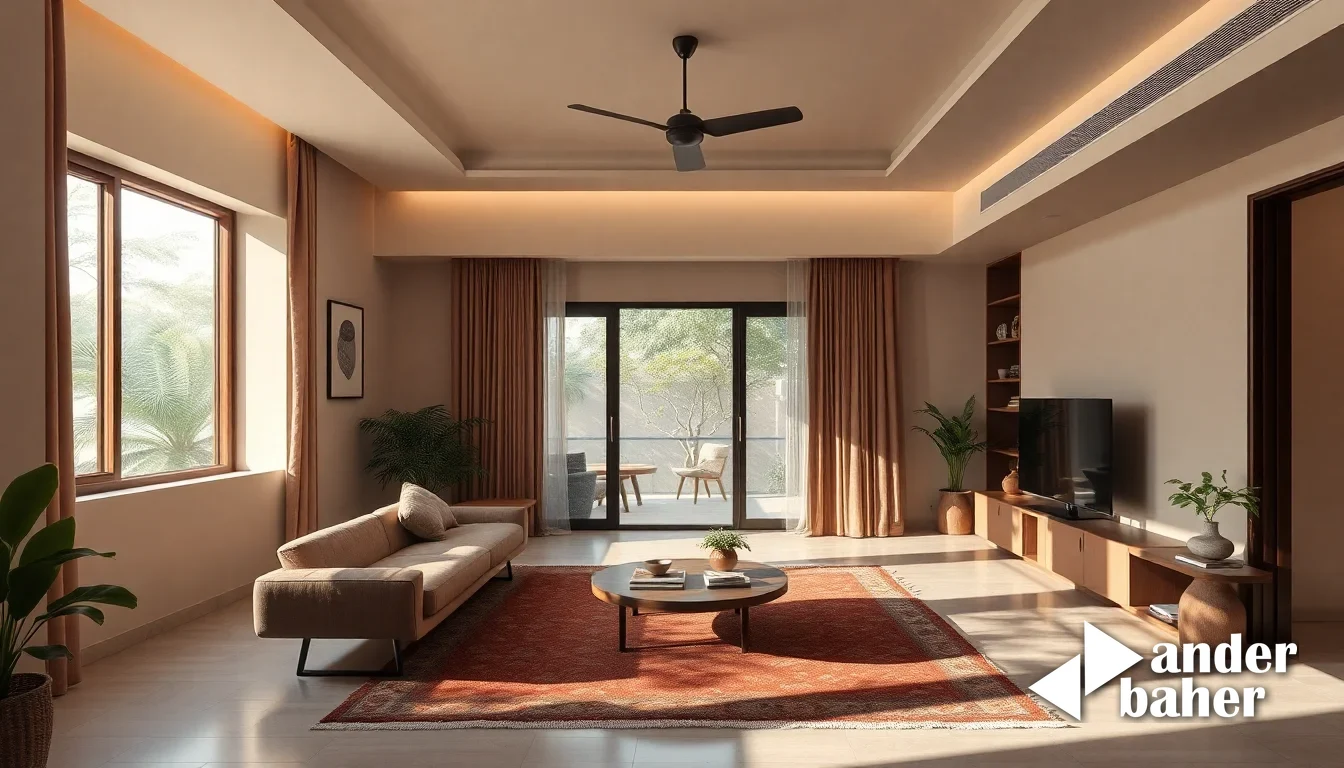
The city presses in from all sides. In Mumbai's tower blocks or Bangalore's congested enclaves, the dream of a home with views has curdled into something more claustrophobic—windows that face other windows, shared walls that carry the neighbour's television, balconies that overlook balconies. Against this shrinking notion of private space, a quieter architectural gesture is emerging: the inward-facing home.
Rather than fighting the density, contemporary designers working in Indian cities are learning to accept it as a permanent condition and designing around it. The strategy is counterintuitive. Instead of maximising transparency and borrowed landscape, these homes fold their best intentions inward. They create intimate courtyards, light wells, and internal gardens that belong entirely to the residents. The exterior becomes a careful blank—a buffer. The interior becomes the universe.
The Courtyard as Sanctuary
This is not a new idea in Indian architecture. The haveli, the traditional mansion of Rajasthan and Gujarat, understood the power of the courtyard for centuries. Water, trees, and sky were not luxuries borrowed from outside; they belonged to the family. The courtyard was the heart, the street merely the perimeter. Contemporary practice is recovering this wisdom, but through a modern lens.
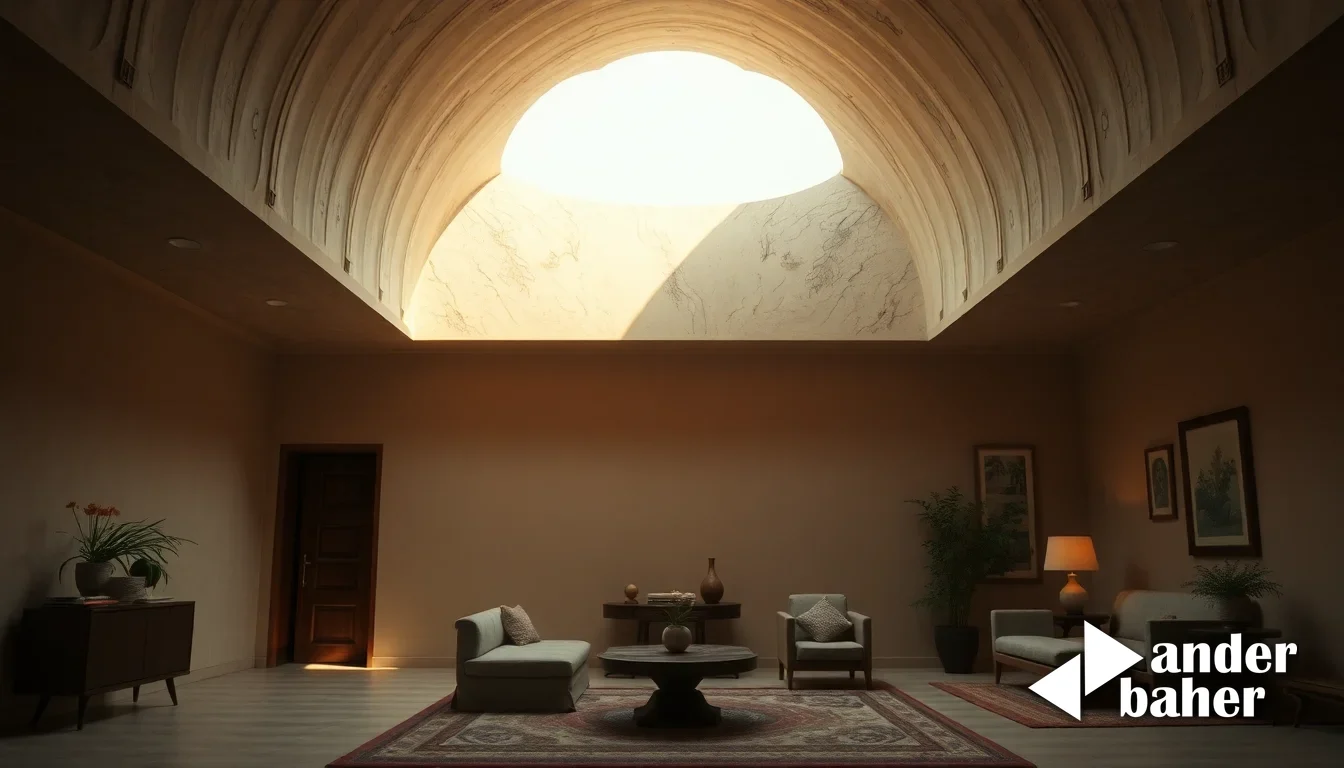
A home designed around a central void—whether modest or expansive—achieves something profound. It decouples your sense of openness from the urban grid. You can have a garden without a garden-facing street. You can have light without exposure. You can breathe without being seen. For those who experience the city as overstimulating, this distinction matters enormously.
Materials as Privacy Walls
The shift also shows up in material choices. Exposed brick, raw concrete, and rendered stone are being favoured not for their aesthetic alone but for their opacity. They do not apologise for being solid. Perforated screens, when used, are designed at scales that obscure rather than suggest. Texture is deep, not shiny. Nothing invites the eye to linger from outside.
This restraint extends to fenestration. Windows are placed with surgical precision—serving the interior view, not the streetscape. High glazing, transom windows, and deeply recessed openings become tools of selective vision. You choose what you see; the street does not choose for you.
A Philosophy of Enough
There is something almost spiritual in this approach. It suggests that the home does not need to prove itself to the world. It does not need to be open, accessible, or visually generous to the city. Its obligation is inward—to the people who inhabit it, to their rhythms, their silences, their right to solitude.
For Indian homes, where the boundary between private and public has always been porous—where the street flows into the verandah, where neighbours are intimates—this inward turn represents a deliberate reclaiming of threshold. Not rejection, but choice. Not introversion born of isolation, but introversion as an act of care.
The homes being built this way are not monumental. They are measured, considerate, and quietly insistent on the value of what happens behind closed doors. In cities that never stop talking, they offer something rarer than views: the possibility of silence, owned entirely by those within.
Sources & further reading
- ArchDaily — Adentro House / TETRO Arquitetura ↗
- ArchDaily — BF2 House / Peninsula Arquitetura ↗
- designboom — MAD transforms 1923 art deco warehouse into rotterdam’s house for dance ↗
- ArchDaily — Beacon School High School / Andrade Morettin Arquitetos Associados + Guido Otero Arquitetura + Ricardo Gusmão Arquitetos ↗
An original Ander Baher perspective, informed by the coverage above.
Frequently asked
How can I create a sense of openness and privacy in a high-density apartment without large windows facing the street?
An inward-facing design—centred on a courtyard, light well, or internal garden—decouples your sense of openness from the urban grid. You gain natural light and visual expansiveness without exposure, using high glazing and recessed openings that frame interior views rather than the streetscape.
What materials work best for creating privacy in a modern Indian home?
Exposed brick, raw concrete, and rendered stone offer opacity without apology. Perforated screens are designed at scales that obscure rather than suggest; texture should be deep rather than reflective—nothing that invites the eye from outside.
Is the courtyard concept practical for contemporary city homes in Bangalore or Mumbai?
Yes. The haveli tradition understood this for centuries. A modern home designed around a central void—modest or expansive—reclaims the courtyard as a private sanctuary, offering what density otherwise denies: a garden, light, and breath, all entirely your own.
Ready to transform your space — inside or out?
Tell us a little about your home or office. We'll get back within one working day.
Book a consultation