
Magazine › Interiors
Interiors for Bangalore 2026: Intention Over Trend
Discover how Bangalore's interior design landscape is shifting toward climate-responsive materials, layered minimalism, and unified indoor-outdoor living. Costs, ethics, and a new restraint.
By the Ander Baher Editorial Desk · 12 October 2026
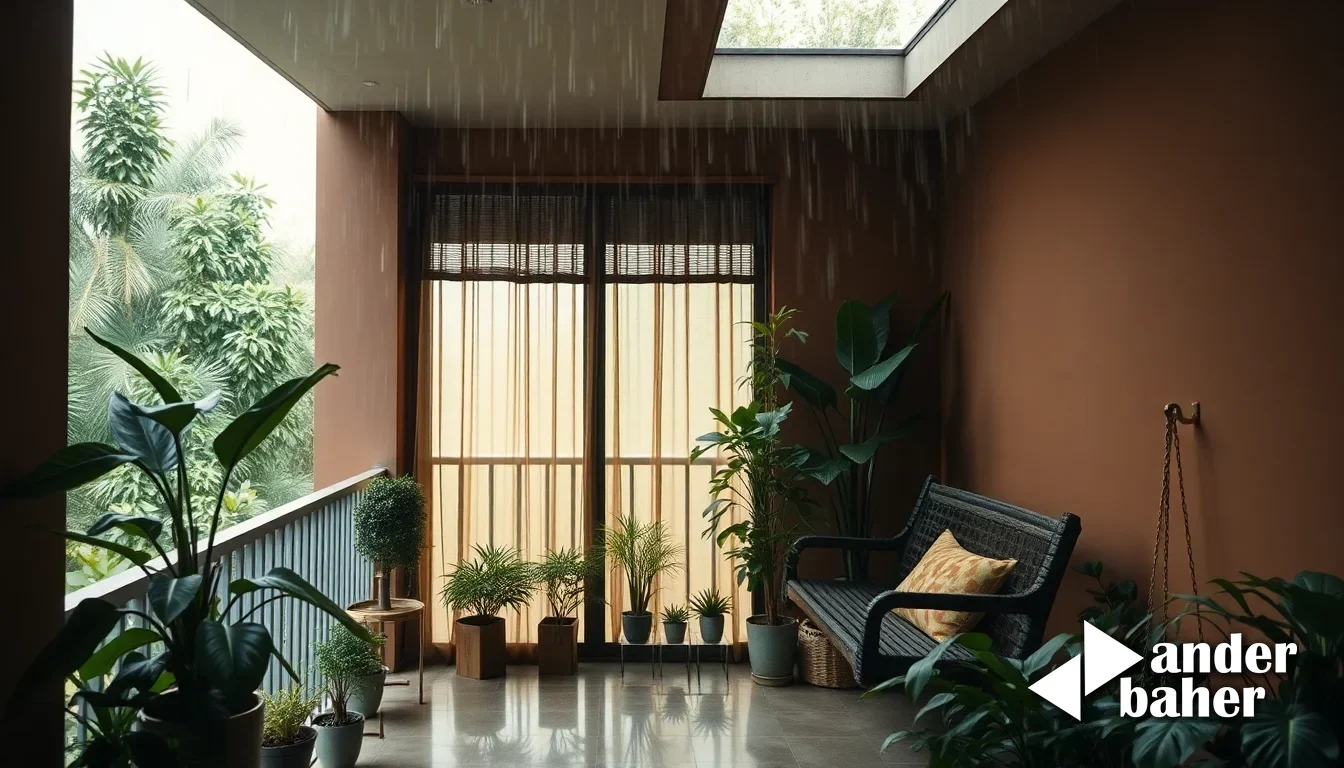
In 2026, the interior design conversation in Bangalore is quieter than it was five years ago. The noise of Instagram maximalism—the velvet, the gold leaf, the statement piece fetishism—has given way to something more considered: a shift toward materials that earn their place through intelligence, not shock. Walk into a newly-handed-over high-rise in Sarjapur Road or a just-completed tower off Yelahanka, and you'll sense it immediately. The homes that feel confident are not the ones shouting; they're the ones that breathe.
The Rise of Climate-Conscious Materiality
Bangalore's climate—the fierce April sun, the monsoon seep, the dust storms that settle on every surface—has become the starting point for serious interior decisions. Designers are no longer working against the city's environmental pressure; they're designing with it.
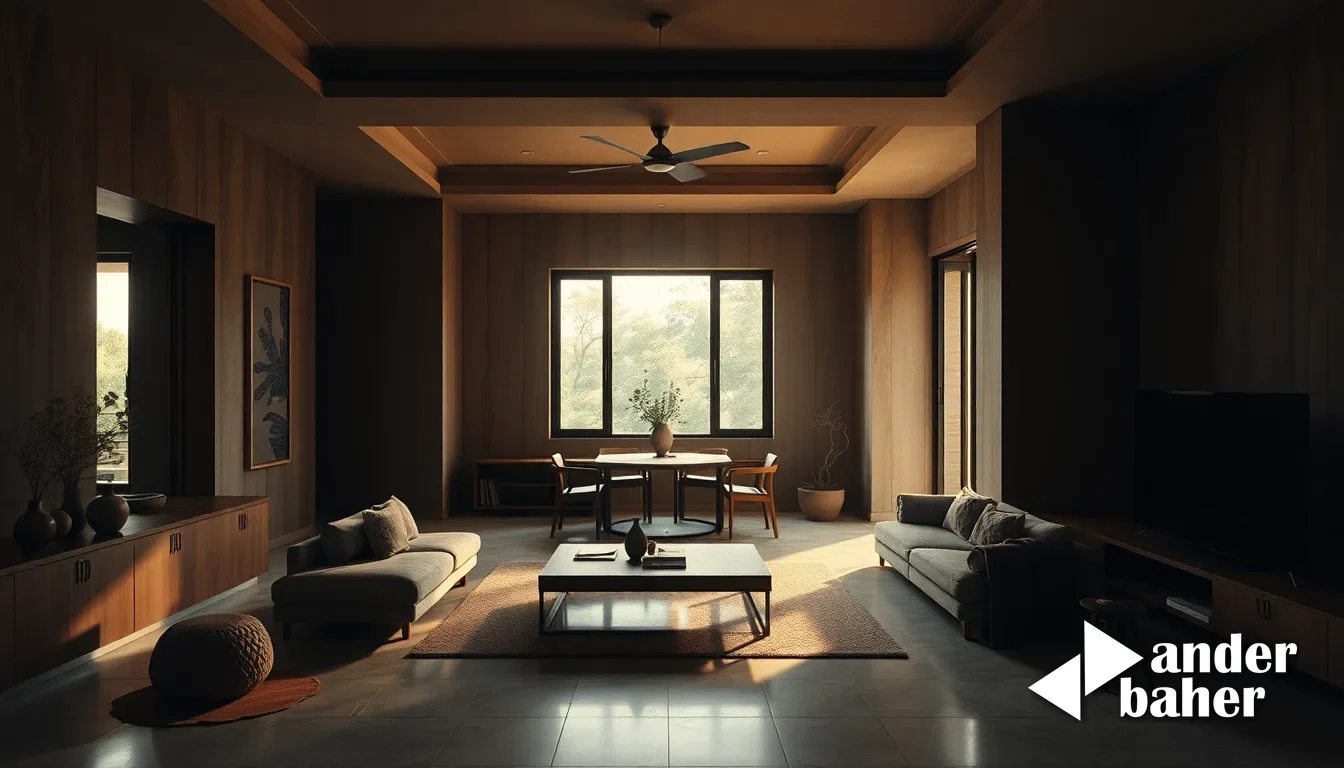
Concrete, once considered raw and unfinished, is now treated as a primary finish. Not polished to a gloss, but sealed and left breathable—a material that absorbs heat during the day and releases it at night, working with your air-conditioning rather than against it. Terrazzo, traditionally a ceremonial material, is re-emerging not as luxury but as durability: a floor that survives monsoon moisture, the expansion and contraction of thermal cycles, and a decade of barefoot living without warping or staining.
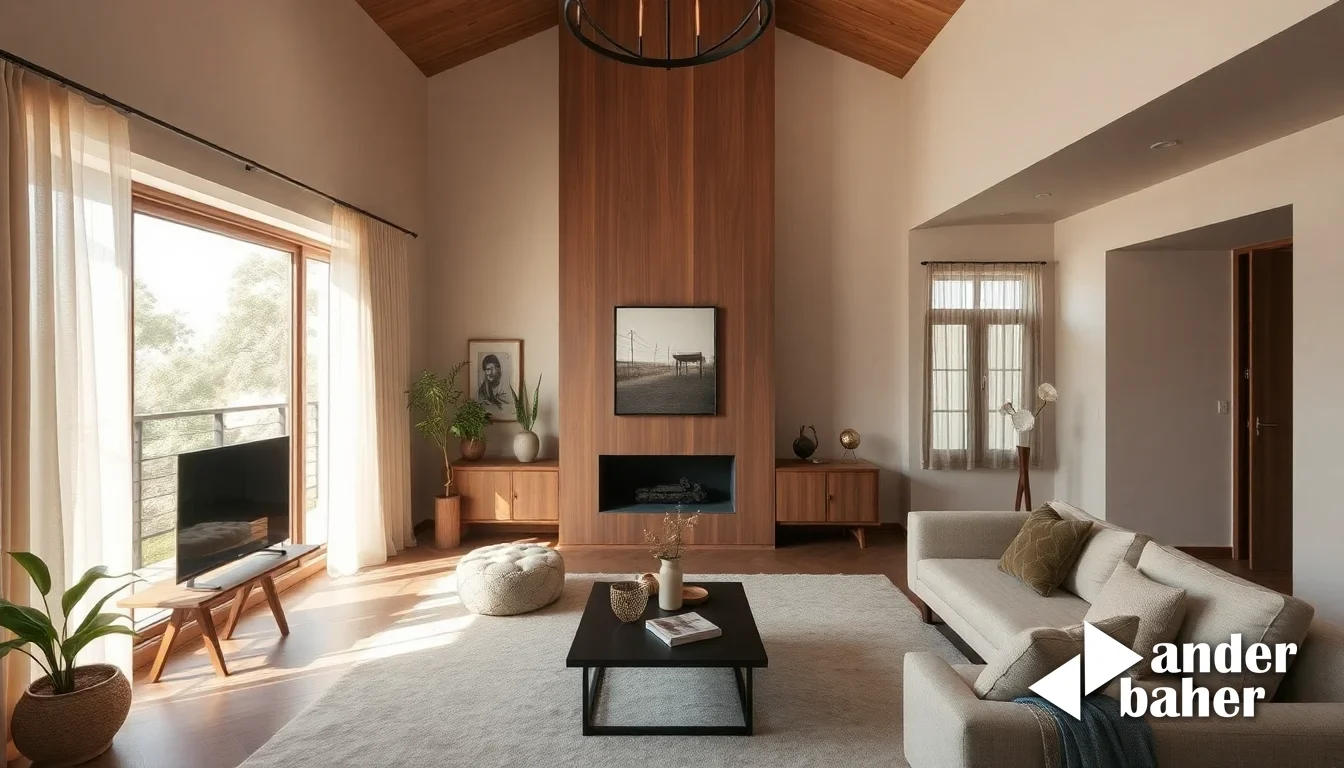
Timber is returning, but not as imported walnut or teak veneers. Local hardwoods—sal, mango, neem—are being specified for their climate-adaptive properties and regional accountability. A jali screen in sal wood, inspired by classical Mughal geometry, now filters the afternoon sun in a Whitefield apartment the same way it did three centuries ago. The aesthetic is secondary to the function.
Textiles are shifting toward natural fibres that manage humidity: linen, organic cotton, jute, and wool. In a newly-completed tower in Bellandur, a master bedroom might feature walls lined with naturally-dyed linen in ochre—a colour that sits between the dusty warmth of the city and the restraint of minimalism. It absorbs sound, regulates moisture, and ages visibly, which is now understood as an asset, not a flaw.
Layered Minimalism: Restraint with Depth
The minimalism trend has matured. Stark white walls and empty floors—the 2015 interpretation—feel incomplete to Bangalore's educated eye now. What's emerging is layered minimalism: spaces that are edited and calm, but rich in texture and material dialogue.
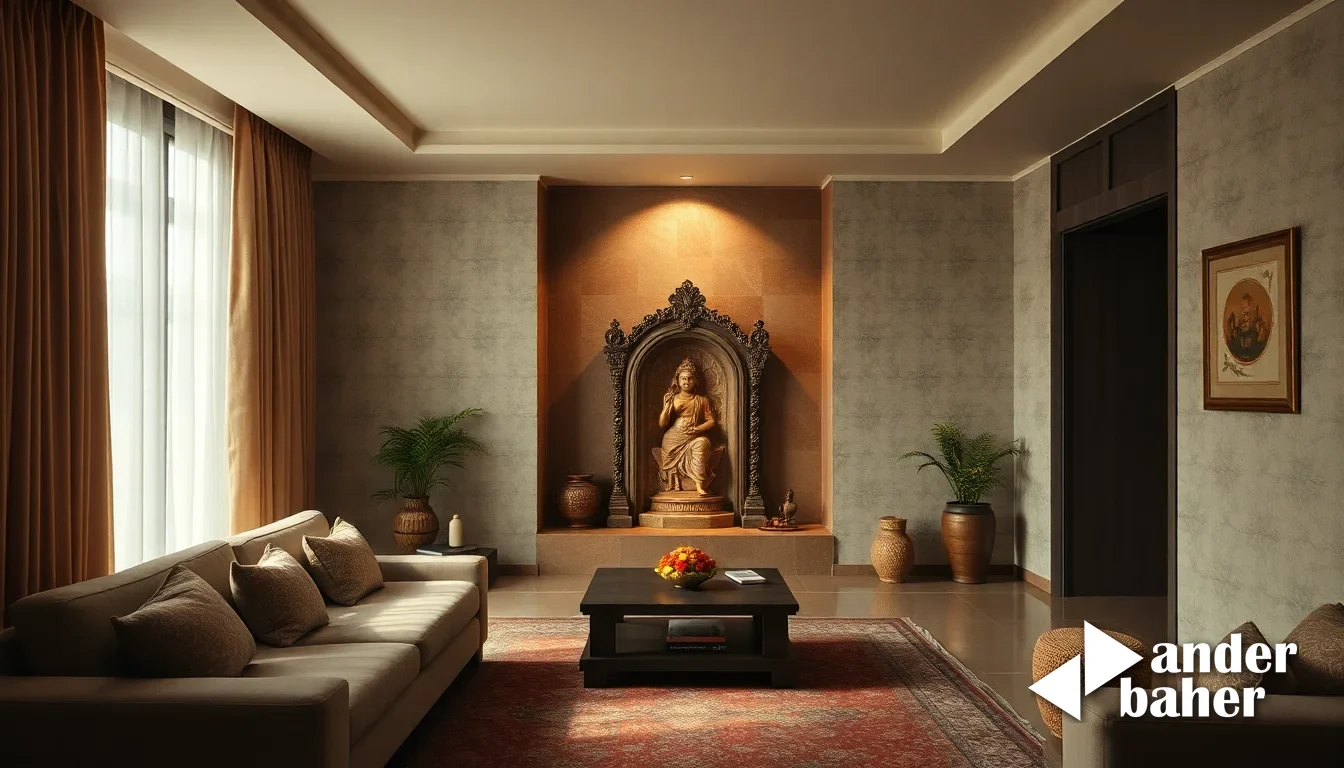
Consider a living room in an Old Madras Road development. The palette is three colours: warm stone grey, natural linen, and deep charcoal. A single art object—a carved stone fragment, a ceramic vessel—sits on a shelf for months, then is replaced with intention. The room doesn't shout emptiness; it whispers clarity. This demands more rigour than maximalism ever did: every object must justify its presence.
Storage has become architectural. Walk-in wardrobes with timber-slat interiors, kitchen pantries with open shelving and soft-close mechanisms, bedroom alcoves with integrated joinery—these are no longer luxuries but baseline expectations in premium developments from Powai to Dollars Colony. The interior hides mess; the surface remains calm.
Colour is returning, but through material rather than paint. A charcoal brick feature wall in a Rajajinagar apartment. Terracotta floor tiles in a Lower Parel loft. These colours are inherited from the land and the craft tradition, not invented by a designer.
The Indoor-Outdoor Threshold Reimagined
In Bangalore, the balcony or terrace is no longer a storage afterthought. It's now understood as a spatial threshold—a transition between the climate-controlled interior and the unfiltered city. Our integrated interior and landscape practice treats this zone as a design problem that demands both disciplines simultaneously.
A just-handed-over tower in Thanisandra might feature a bedroom with a sliding timber screen that opens to a planted balcony. The interior flooring transitions seamlessly; landscape planters define the edge without a hard line. Cross-ventilation is prioritized in the interior plan, so the balcony becomes functional air-flow, not ornamental.
Monsoon-resistant design is no longer apologetic. Waterproofed concrete, timber screens that allow air and light but shed water, permeable paving on terraces—these are celebrated as design moves, not hidden behind plaster. A Varthur residence with a planted balcony might feature a concealed drainage system that's invisible from the interior but visible from the landscape side, honoring both the indoor and outdoor perspective.
The Cost Reality of Intention
Bangalore's new-build market continues to deliver builder-vanilla finishes: white walls, laminate kitchen cabinetry, mismatched lighting, and poorly-coordinated bathrooms. For owners taking possession in 2026, the customization budget depends on whether you're starting from a shell or working with builder finishes.
A thoughtful interiors retrofit—material finishes, joinery, lighting design, and coordinated soft furnishings for a 3-bedroom apartment in Whitefield or Sarjapur Road—requires a considered investment. The families making this choice typically prioritize:
- Material integrity over quantity: Fewer, better pieces rather than a high volume of mid-market furnishing.
- Local craft over import luxury: A custom timber cabinet from a Bangalore artisan costs less than an imported piece and carries regional accountability.
- Durability over trend: Choosing finishes and textiles that will age well over five years rather than becoming dated within eighteen months.
The new aesthetic doesn't demand premium pricing; it demands thoughtfulness. A home in a just-completed tower in Yelahanka can feel curated and intentional without the cost premium of five years ago, because the design language prizes restraint and materiality over volume and ornamentation.
Lighting: The Invisible Architecture
Bangalore's harsh summer sun and the city's growing density have made thoughtful lighting a priority. In 2026, lighting is no longer an afterthought or a builder's standard fixture. It's architecture.
Layered lighting—ambient, task, and accent—is now standard in premium design briefs. A Bellandur apartment might feature recessed downlights on a dimmer (for flexibility), under-cabinet warm LEDs in the kitchen (functional without harshness), and brass wall sconces in the bedroom (human-scale and warm). The chandelier is gone; the disco-ball moment has passed.
Natural light is controlled with intention. Sliding jali screens, adjustable timber louvers, and smart glass that responds to thermal load are no longer experimental. They're now integrated into premium new-builds from Dollars Colony to Lower Parel, managing glare and heat gain while maintaining connection to the city outside.
Wellness and Air Quality
The pandemic's legacy continues: air quality, water purity, and acoustic comfort are now first-tier design concerns, not luxury add-ons. In newly-handed-over developments across Bengaluru and Mumbai, premium buyers expect:
- Mechanical ventilation integrated into the interior plan, not concealed and forgotten.
- Material choices that don't off-gas: solid timber, natural stone, untreated textiles.
- Acoustic treatment built into the architecture: sound-absorbing ceiling materials, soft furnishings as acoustic strategy, not just comfort.
These features are no longer marketed as 'wellness'; they're expected as baseline. The sophistication lies in the integration—making these systems invisible or beautiful rather than clinical.
The Ethics Question
Bangalore's design community is increasingly asking: Where does this timber come from? Who made this textile? Is this a sustainable material, or is it just greenwashed marketing? The answer is informing purchasing decisions and project budgets.
Locally-sourced materials, fair-trade textiles, and artisan partnerships are becoming competitive advantages, not niche positioning. A cabinet maker in Rajajinagar, a textile weaver in a rural cooperative, a mason skilled in traditional stone work—these represent both quality and ethics, and clients are willing to pay for the transparency.
The interior design landscape in Bangalore for 2026 is not about chasing novelty. It's about bringing intention to every choice: the material, the maker, the function, the climate, the durability. This shift requires a different kind of conversation between designer, client, and craftsperson. It's slower, more thoughtful, and ultimately more rewarding.
If you're taking possession of a new apartment in Sarjapur Road or a renovation-ready home in Yelahanka, the opportunity is in front of you: design with clarity, material respect, and an understanding of how your home can work with Bangalore's climate rather than against it. Start with a free AI design concept to visualize your space, or explore our delivered interiors to see this philosophy in practice. The most intentional homes begin with a single conversation—let's start there.
Frequently asked
What should I prioritize for interiors in a newly-handed-over Bangalore apartment?
Start with climate-responsive materials (concrete, terrazzo, natural timber), layered lighting that suits Bangalore's harsh sun, and a cohesive flow between interior and balcony spaces. Material integrity matters more than quantity—fewer, better pieces will serve you longer than trend-driven furnishings.
How much should I budget for a thoughtful interior retrofit in Bangalore?
Costs depend on your starting point and scope. A strategic material upgrade, custom joinery, and coordinated finishes for a 3-bedroom apartment typically requires a considered investment, but prioritizing durability and local craft can optimize value. We recommend beginning with a consultation to understand your specific brief and timeline.
Why is monsoon-resistant design important for Bangalore balconies?
Bangalore's monsoon seep, thermal expansion cycles, and humidity directly impact balcony durability. Waterproofed finishes, permeable drainage systems, and climate-adaptive materials prevent water damage and dampness while creating a functional threshold between interior and outdoor spaces.
Ready to transform your space — inside or out?
Tell us a little about your home or office. We'll get back within one working day.
Book a consultation