
Magazine › Wellness
Integrating Miyawaki Forests in Architecture: A Sustainable Urban Design Approach
Discover the Green Revolution: Miyawaki Forests - A method to grow dense, native forests in record time, fostering biodiversity, combating climate change, and restoring native ecosystems. Explore how architects and designers can embrace this innovative approach for a sustainable, eco-conscious futur
By the Ander Baher Editorial Desk · 30 October 2023
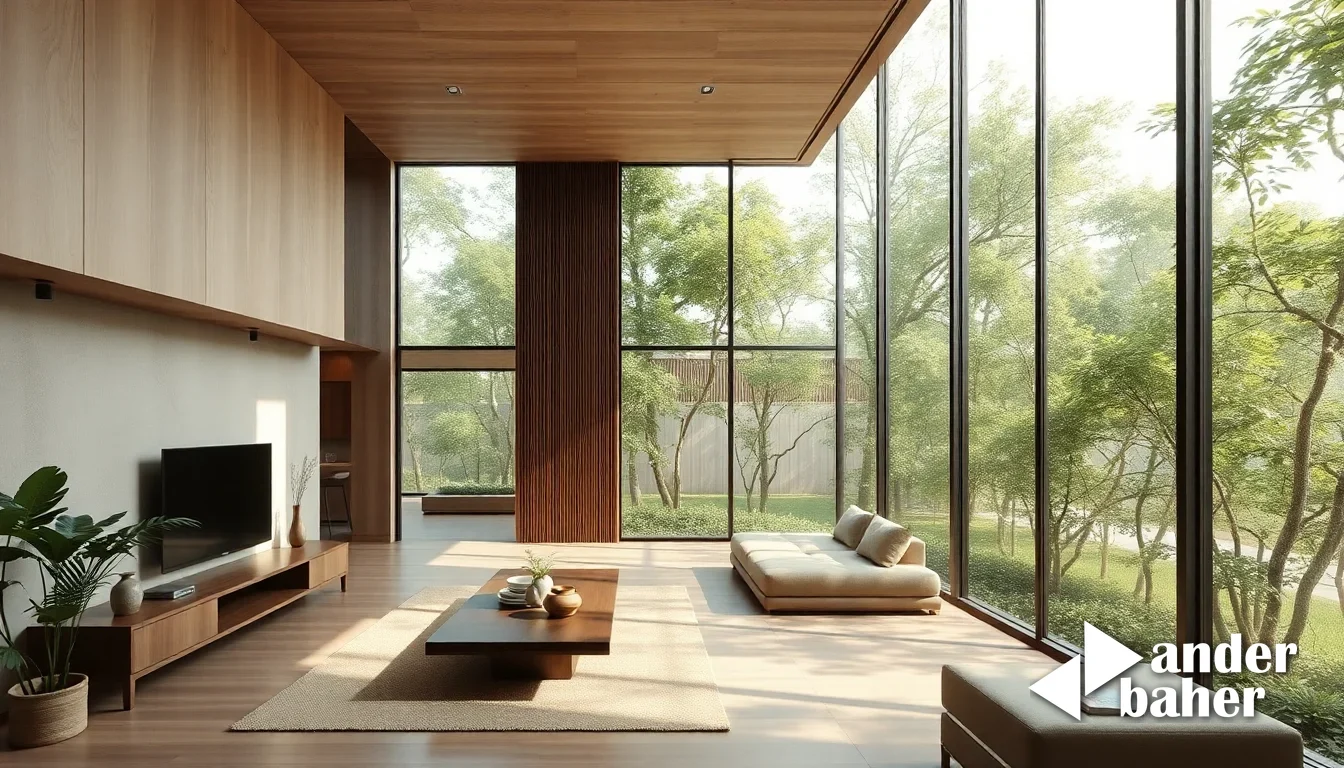
In the world of architecture and design, the quest for sustainable and environmentally conscious practices has never been more crucial. Amid growing concerns about climate change and the need to protect our precious ecosystems, a remarkable method known as Miyawaki Forests has emerged as a beacon of hope. This innovative approach to reforestation not only accelerates the growth of lush, native forests but also fosters biodiversity, combats climate change, and restores native ecosystems.
The Miyawaki Forest Revolution:
A Greener Future: The brainchild of Japanese botanist Akira Miyawaki, the Miyawaki Forest method is a groundbreaking technique that stands in stark contrast to conventional reforestation. Traditional methods often require decades for a forest to mature, while the Miyawaki method achieves the same result in a matter of years. This acceleration is an inspiring solution to the pressing issue of deforestation.
Compact Yet Dense: What distinguishes Miyawaki Forests is their compactness and density. These mini-forests, characterized by their small size and close planting of native tree species, enable the rapid growth and development of forests in urban areas. This approach is ideal for architects and designers working in densely populated regions, where space is a precious commodity.
Biodiversity Boost: Biodiversity is a critical aspect of any ecosystem, and Miyawaki Forests excel in this regard. By planting a variety of native species, these forests become thriving habitats for a wide range of fauna and flora. This biodiversity not only sustains the local ecosystem but also fosters a unique, natural aesthetic that architects can incorporate into their designs.
A Climate Change Warrior: Climate change is a global concern, and trees play a pivotal role in mitigating its effects. Miyawaki Forests have the potential to absorb carbon dioxide at a faster rate due to their high-density planting. This, in turn, makes them an invaluable tool for architects and designers who aim to create carbon-neutral or low-carbon footprint structures.
Restoring Native Ecosystems: Many urban areas have lost their native ecosystems due to urbanization and deforestation. Miyawaki Forests, by planting indigenous tree species, contribute to the restoration of these vital ecosystems. This method allows architects to bridge the gap between modern structures and the preservation of the natural heritage of a region.
The Call to Action:
As an established architecture and design firm, the incorporation of Miyawaki Forests into your projects can be a transformative step toward sustainability and environmental responsibility. These lush, rapidly growing mini-forests can become integral parts of your designs, offering a refreshing, green contrast to the urban jungle.
By championing Miyawaki Forests, you not only enhance the aesthetics of your projects but also create a powerful narrative of eco-conscious design. Whether you're crafting residential developments, commercial spaces, or public parks, the inclusion of these forests can elevate your work to new heights.
The Miyawaki Forest method is a revolutionary approach that architects and designers worldwide can adopt to make a positive impact on the environment and combat climate change. By growing dense, native forests in a short amount of time, this method offers not only aesthetic benefits but also profound ecological advantages.
Embrace the Miyawaki Forest movement, and let your architecture and design projects stand as beacons of sustainability, biodiversity, and ecological restoration. Together, we can create a greener, more vibrant future for our planet and all its inhabitants.
Facebook Twitter LinkedInStill need help?
Get in touch with us
Frequently asked
How quickly do Miyawaki Forests mature compared to conventional reforestation?
The Miyawaki method achieves forest maturity in years rather than decades, making it a practical solution for architects seeking immediate ecological and aesthetic impact in urban projects.
Can Miyawaki Forests work in compact urban spaces like Bengaluru or Mumbai developments?
Yes—their defining trait is compactness and density. These mini-forests thrive in small urban footprints, ideal for residential and commercial projects where land is constrained.
What ecological benefits do Miyawaki Forests provide beyond aesthetics?
They absorb carbon dioxide at accelerated rates, restore native ecosystems, and create biodiverse habitats—making them invaluable for architects designing carbon-neutral or low-carbon structures.

Ready to transform your space — inside or out?
Tell us a little about your home or office. We'll get back within one working day.
Book a consultation