
Magazine › Biophilic Design
Integrating Biophilic Elements in Smart City Planning for a Greener Future
Explore the innovative approach of integrating biophilic elements into smart city planning, where technology and nature converge to enhance urban living and sustainability.
By the Ander Baher Editorial Desk · 6 March 2024
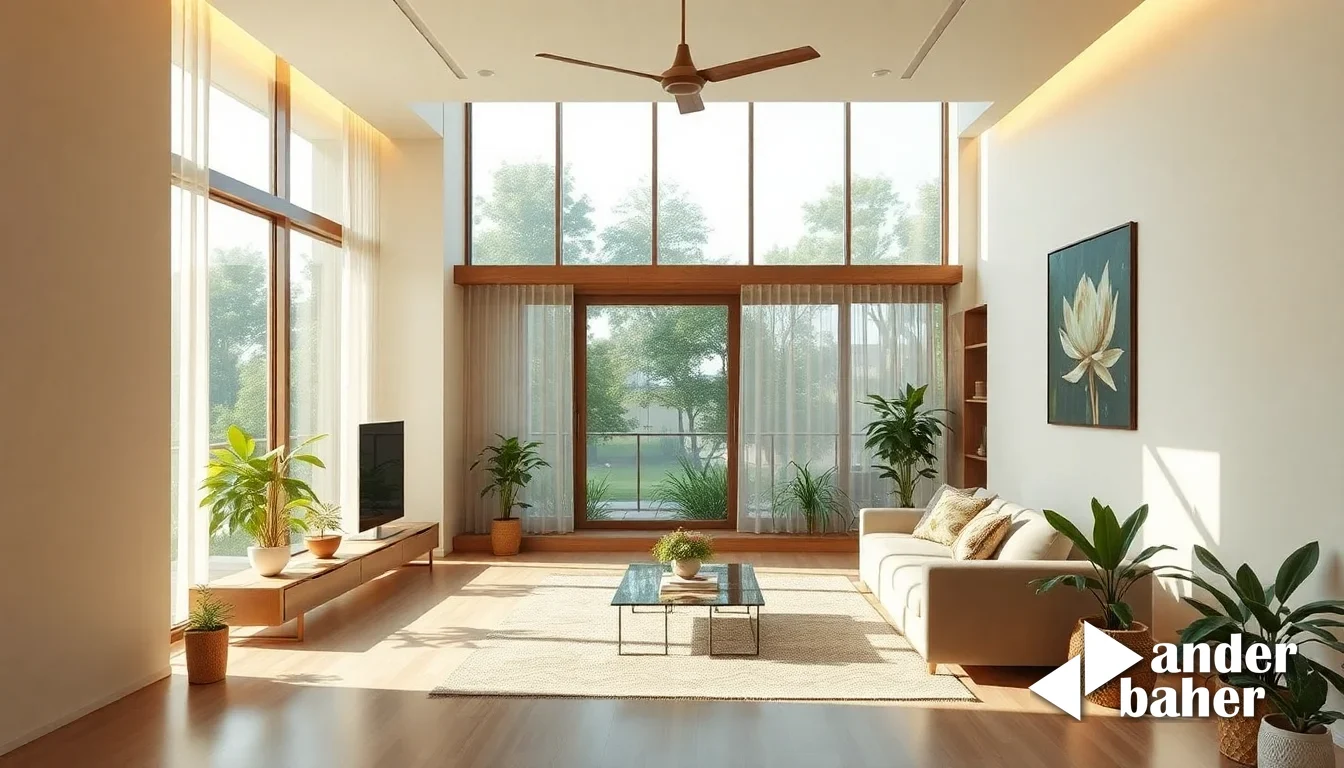
Smart city planning that integrates biophilic elements represents an innovative approach to urban development, where technology meets nature to enhance urban living. This fusion aims to create sustainable, resilient, and healthy urban environments by harnessing the efficiency of smart technologies and the benefits of natural elements. Let's explore the principles and benefits of incorporating biophilic elements into smart city planning.
Principles of Integrating Biophilic Elements in Smart Cities
Natural Integration: Incorporating natural landscapes, such as parks, green roofs, and vertical gardens, into the urban fabric to promote biodiversity and natural beauty.
Sustainable Infrastructure: Utilizing renewable energy sources, green building materials, and innovative waste management solutions to minimize environmental impact.
Technological Harmony: Employing smart technologies to enhance the functionality and accessibility of biophilic features, including automated irrigation systems, energy-efficient lighting, and climate-responsive buildings.
Community Spaces: Designing interactive, communal spaces that encourage social interaction and connection with nature, supported by smart urban furniture and connectivity.
Health and Well-being: Focusing on the health benefits of natural elements, such as improved air quality, natural light, and spaces for physical activity, to enhance the well-being of residents.
Benefits of Biophilic Smart City Planning
Environmental Sustainability: Reduction of carbon footprint and promotion of biodiversity through the integration of green spaces and sustainable practices.
Enhanced Livability: Improved air quality, natural cooling, and aesthetically pleasing environments contribute to a higher quality of urban living.
Economic Efficiency: Smart technologies can optimize resource use, reducing operational costs and increasing the efficiency of biophilic elements.
Social Cohesion: Communal green spaces and interactive technologies foster a sense of community and encourage social interaction among residents.
Psychological Well-being: Exposure to natural elements and green spaces has been linked to reduced stress levels, improved mood, and enhanced mental health.
Implementing Biophilic Elements in Smart Cities
Urban Parks and Greenways: Integrating smart lighting, Wi-Fi hotspots, and environmental monitoring within green spaces to enhance accessibility and usage.
Green Buildings and Roofs: Employing smart systems for energy management, water reuse, and indoor air quality control in buildings with biophilic design features.
Smart Mobility Solutions: Promoting sustainable transportation options, such as electric vehicle charging stations and bike-sharing programs, complemented by green urban corridors.
Community Engagement Platforms: Utilizing digital tools to engage residents in the maintenance and development of biophilic features, fostering a collective responsibility for urban green spaces.
Future Perspectives
As cities continue to evolve, the integration of biophilic elements with smart city planning is essential for creating sustainable, resilient, and livable urban environments. This holistic approach not only addresses the environmental challenges of urbanization but also enhances the physical and psychological well-being of city dwellers. The future of urban development lies in the innovative fusion of technology and nature, paving the way for greener, smarter cities worldwide.
Facebook Twitter LinkedInStill need help?
Get in touch with us
Frequently asked
How do biophilic elements improve quality of life in urban environments?
Natural integration into cities—through parks, green roofs, and vertical gardens—reduces stress, improves air quality, and fosters social connection, creating measurably healthier urban living.
What role does smart technology play in maintaining biophilic city spaces?
Automated irrigation, energy-efficient climate systems, and environmental monitoring optimize resource use while reducing operational costs, making green infrastructure both sustainable and economically efficient.
Can biophilic design work in existing dense urban areas?
Yes. Strategic deployment of green roofs, smart urban furniture, green corridors, and community engagement platforms allows even established cities to integrate nature meaningfully without major infrastructure overhaul.
Ready to transform your space — inside or out?
Tell us a little about your home or office. We'll get back within one working day.
Book a consultation