
Magazine › Wellness
Innovative Climate Adaptive Architecture: Crafting Resilient, Future-Ready Buildings
Dive into climate adaptive architecture, a forward-thinking approach to building design that prepares our cities and communities for the challenges of climate change, ensuring resilience and sustainability for the future.
By the Ander Baher Editorial Desk · 6 March 2024
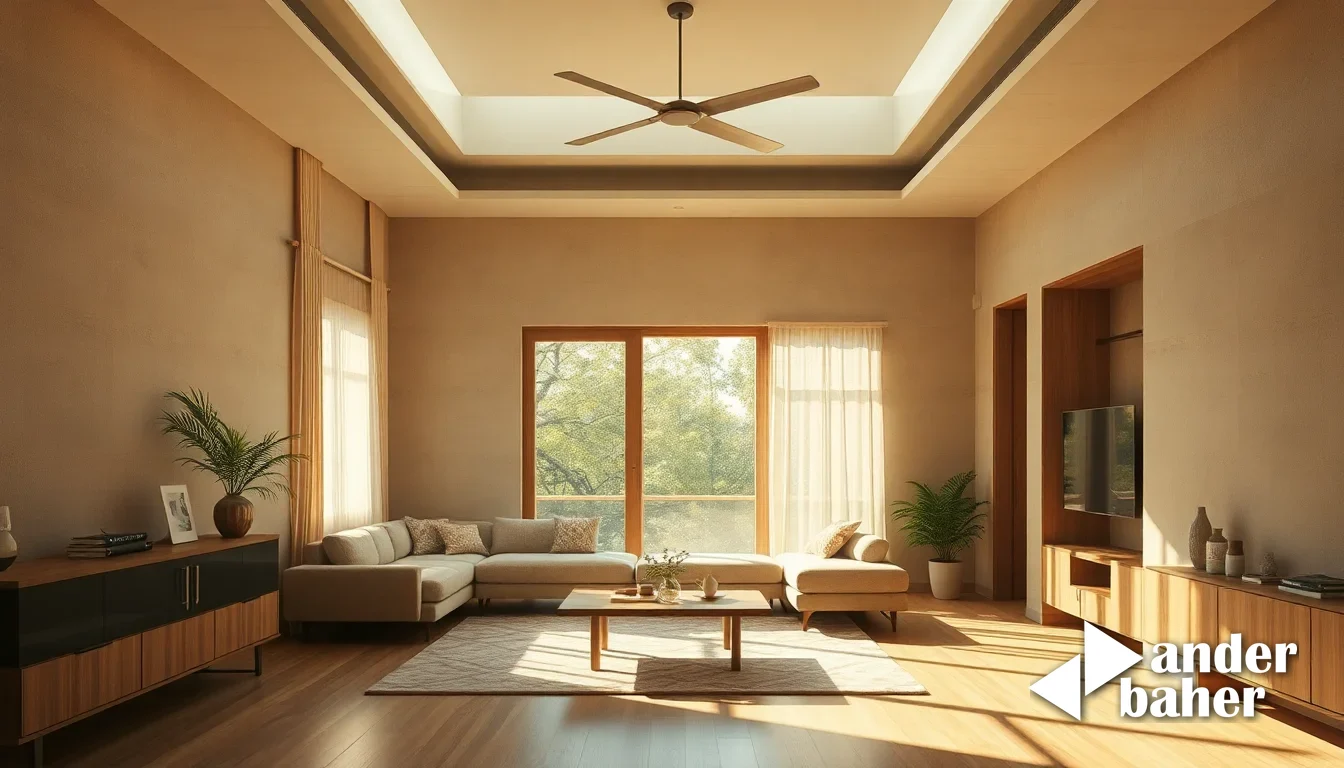
In the face of escalating climate change impacts, climate adaptive architecture emerges as a critical approach to sustainable building design. This architectural philosophy aims to create structures that can adapt, respond, and remain resilient against the changing climate conditions. It involves innovative design strategies that ensure buildings can withstand increased temperatures, rising sea levels, extreme weather events, and other environmental challenges. Let's delve into how climate adaptive architecture is shaping the future of the built environment.
Core Principles of Climate Adaptive Architecture
Flexibility and Resilience: Designing buildings with the flexibility to adapt to various climate conditions over time, ensuring long-term resilience.
Energy Efficiency: Maximizing the use of natural ventilation, lighting, and insulation to reduce reliance on mechanical systems and minimize energy consumption.
Water Management: Implementing systems for rainwater harvesting, efficient water use, and flood mitigation to address water scarcity and manage excess water.
Material Sustainability: Using durable, local, and sustainable materials that can withstand environmental stressors while minimizing the carbon footprint.
Strategies for Climate Adaptation
Responsive Façades: Developing building exteriors that can react to changing weather conditions, such as adjustable shading devices and materials that change properties in response to temperature.
Elevated Structures: Raising buildings above ground level to protect against flooding and sea-level rise, particularly in coastal and riverine areas.
Green Infrastructure: Incorporating green roofs, walls, and other vegetation-based solutions to improve insulation, reduce heat island effect, and support biodiversity.
Renewable Energy Integration: Designing buildings to harness solar, wind, and other renewable energy sources, making them self-sufficient and reducing greenhouse gas emissions.
Challenges and Opportunities
The path to widespread adoption of climate adaptive architecture is fraught with challenges, including higher upfront costs, regulatory hurdles, and the need for interdisciplinary collaboration. However, the opportunities it presents for creating sustainable, resilient, and livable urban environments are immense. By proactively addressing the impacts of climate change, architects and planners can protect communities, preserve ecosystems, and ensure a viable future for subsequent generations.
Case Studies and Innovations
The Floating House: Designed for flood-prone regions, these houses can rise with water levels, ensuring safety and continuity.
The Dynamic Skinscraper: A skyscraper with a responsive skin that adjusts to sunlight and wind, optimizing comfort and energy efficiency.
Desert Flower: A building in arid regions designed for optimal shade, natural cooling, and water conservation, mimicking the adaptive strategies of desert flora.
Looking Ahead
Climate adaptive architecture represents a paradigm shift in how we conceive and construct our built environment. As we continue to face the uncertainties of climate change, the adoption of adaptive design principles will be crucial for the sustainability and resilience of our cities and communities. The future of architecture lies in its ability to adapt, transform, and thrive amidst the challenges posed by our changing world.
Facebook Twitter LinkedInStill need help?
Get in touch with us
Frequently asked
What is climate adaptive architecture and why does it matter for homeowners?
Climate adaptive architecture designs buildings to withstand changing environmental conditions—extreme heat, flooding, and severe weather—while maintaining comfort and durability. For premium homeowners, it ensures long-term resilience, lower energy costs, and protection of investment value in an increasingly volatile climate.
How do green infrastructure and responsive façades reduce energy consumption?
Green roofs and walls provide natural insulation and cooling, while responsive façades adjust shading and ventilation based on weather conditions, dramatically reducing reliance on mechanical systems and thereby minimizing operational energy demand.
Are climate adaptive homes feasible in urban settings like Bengaluru or Mumbai?
Yes. Strategies such as elevated structures for flood mitigation, rainwater harvesting, and renewable energy integration are entirely compatible with dense urban contexts, particularly in water-stressed and heat-prone cities where adaptive design delivers measurable long-term value.
Ready to transform your space — inside or out?
Tell us a little about your home or office. We'll get back within one working day.
Book a consultation