
Magazine › Architecture
How New Materials Are Reshaping Indian Architecture
From recycled aggregates to bio-concrete, a new generation of materials is redefining what's possible in Indian design—without abandoning the wisdom of the past.
By the Ander Baher Editorial Desk · 31 July 2026
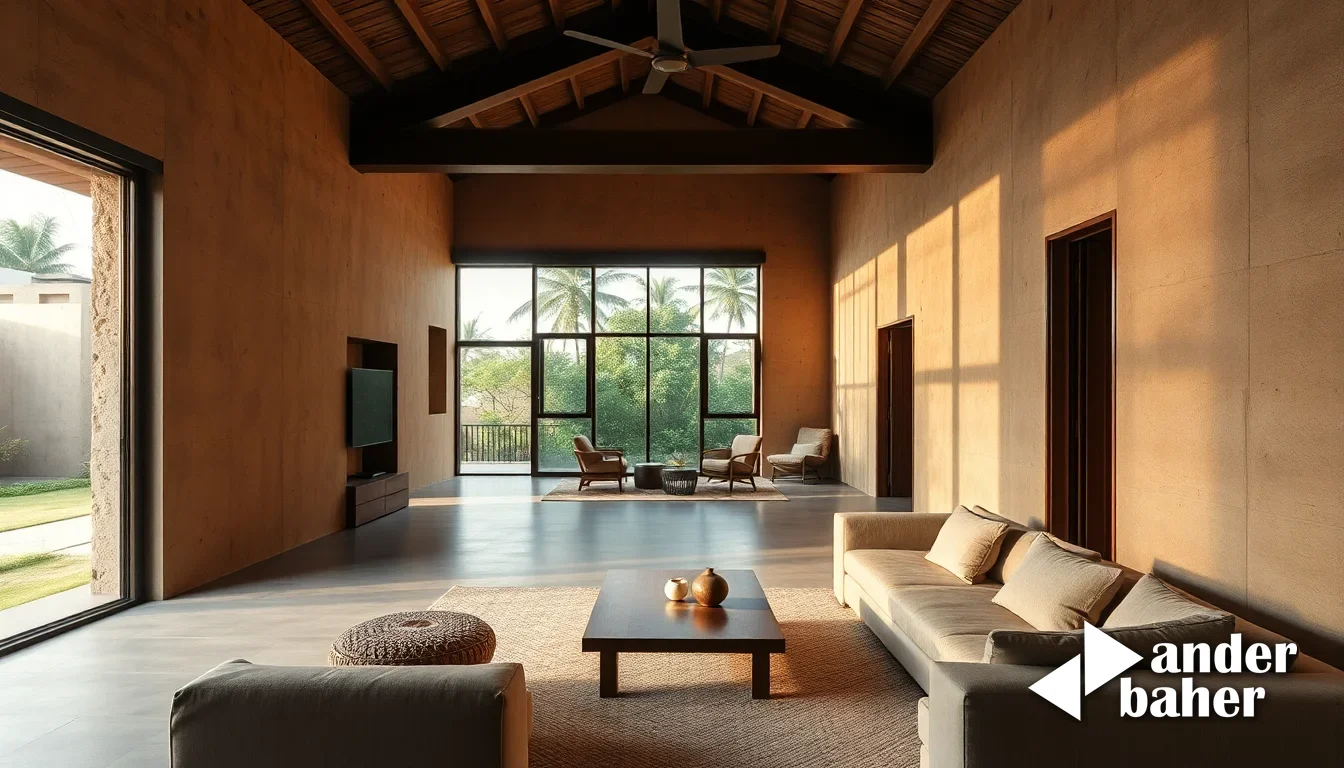
Walk through any construction site in Bangalore or Mumbai today, and you'll notice something shifting beneath the familiar hum of hammers and mixers. The materials arriving on-site tell a different story than they did a decade ago. Alongside conventional concrete and steel, there are now bio-bricks made from agricultural waste, translucent concrete that lets light pass through, and locally-sourced compressed earth blocks that carry the warmth of their region in every grain. These aren't experiments relegated to luxury projects or architectural showcases—they're becoming the quiet choice of builders and architects who understand that how we build today directly shapes how cities will breathe tomorrow.
The Shift From Convention
Indian architecture has long relied on a triumvirate of materials: concrete, brick, and steel. Practical, proven, accessible—they built the nation's modern infrastructure. Yet this very success has created its own problem. The extraction and production of these materials accounts for nearly a third of India's carbon emissions. Cement alone consumes vast quantities of limestone and energy. Architects and builders are now asking a more difficult question: what if we could build just as durably, just as beautifully, but differently?
The answer emerging across India's architectural landscape involves materials that were never truly forgotten—they're simply being rediscovered and refined. Rammed earth, used in vernacular construction for centuries, is returning to contemporary projects with engineered precision. Agricultural by-products like rice husks and sugarcane bagasse are being transformed into structural composites. Recycled plastic is being woven into roofing sheets and exterior cladding. What ties these together is not nostalgia but performance: they work in India's climate, they're produced locally, and they require less energy to manufacture.
Climate as Design Partner
New materials also offer solutions tailored to India's specific environmental challenges. Thermochromic coatings—paints that reflect heat based on temperature—address the brutal reality of summer in Delhi or Chennai. Self-healing concrete, embedded with bacteria that repair small cracks before they become structural problems, extends the life of structures in monsoon-prone regions. Insulated interlocking blocks reduce the load on air conditioning systems, a crucial consideration in a country where cooling accounts for a growing share of energy consumption.
The innovation isn't purely technical. Many of these materials create better experiences for those living and working within them. Hempcrete—a mixture of hemp fibers and lime—regulates humidity naturally, making indoor spaces more comfortable without mechanical intervention. Locally-sourced stone and clay maintain the thermal mass that kept homes cool for generations, before air conditioning became ubiquitous.
The Practical Reality
Adoption remains uneven. Cost is one barrier; innovation typically carries a premium until scale arrives. Building codes haven't always caught up with new materials, requiring architects to navigate bureaucratic labyrinths to gain approval. Skilled labor to work with unfamiliar materials is scarce. Yet the trajectory is clear. As awareness grows, as regulations evolve, and as more projects demonstrate that these materials deliver on their promises, the conversation is shifting from whether to use new materials to how to integrate them thoughtfully.
The most compelling projects aren't those that abandon tradition entirely, but those that marry new materials with proven principles. A residence in Bangalore might use rammed earth walls—cooling and breathable—paired with recycled steel framing and locally-sourced teak. The result feels both contemporary and rooted, innovative and inevitable. This is where Indian architecture is heading: not rejecting what worked, but asking what could work better.
Frequently asked
Are sustainable building materials like rammed earth and hempcrete as durable as conventional concrete and steel?
Yes. These materials perform exceptionally in India's climate and, when engineered with precision, deliver comparable durability while requiring significantly less energy to produce and maintain over their lifespan.
What's preventing wider adoption of new materials in Indian residential and commercial projects?
Cost premiums during innovation's early stages, building codes that haven't evolved to accommodate them, and scarcity of skilled labor are the primary barriers—though this landscape is shifting rapidly as awareness and regulatory frameworks advance.
Can new materials like thermochromic coatings and self-healing concrete realistically reduce cooling and maintenance costs?
Thermochromic coatings meaningfully reduce heat load, while self-healing concrete extends structural life in monsoon-prone regions; together with materials like insulated interlocking blocks, they address India's specific environmental challenges and energy demands.

Ready to transform your space — inside or out?
Tell us a little about your home or office. We'll get back within one working day.
Book a consultation