
Magazine › Interiors
How Indian Homes Transform for Celebration
From Diwali's glow to Pongal's harvest warmth, festivals reshape the Indian home into a canvas of ritual, colour, and meaning.
By the Ander Baher Editorial Desk · 21 August 2026
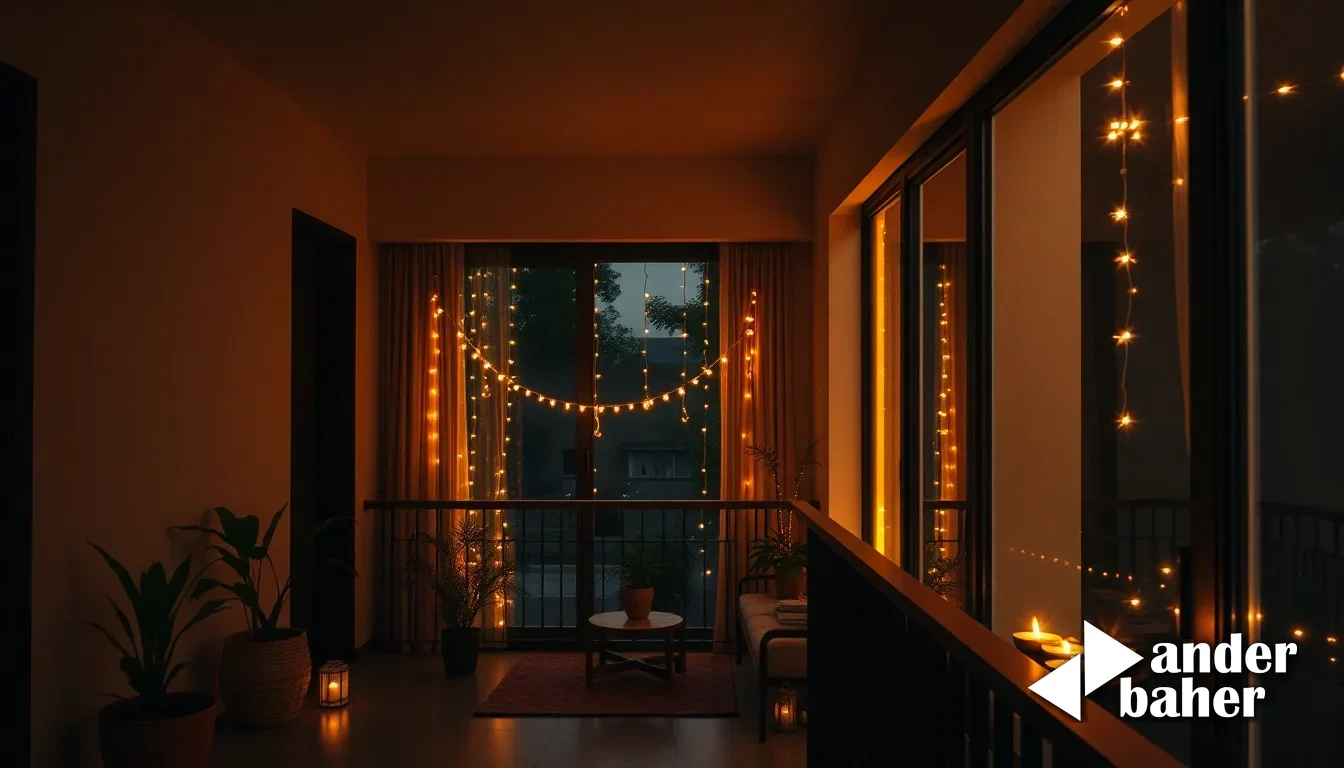
Step into a Mumbai apartment on the evening before Diwali, and you will notice the shift before you see it. The air carries anticipation. Oil lamps rest on window sills and shelves, waiting to be lit. Rangoli colours—turmeric yellows, flower crimsons, rice-white—lie in bowls on the kitchen counter. The home is not simply being decorated; it is being prepared for ceremony. For many Indian households, festivals are not events that happen in the home—they are moments when the home itself becomes active, purposeful, transformed.
The Architecture of Ritual
Indian homes have always been designed with festivals in mind, though we rarely name it that way. The entrance, or mukhauli, traditionally serves as the first stage for welcome. During Diwali, it becomes a threshold charged with intention: deepams flicker in brass holders, flower garlands frame the doorway, and rangoli blooms across the floor. This is not decoration layered atop a neutral space—it is the activation of an existing spatial grammar.
The courtyard, common in older Indian homes and increasingly revived in contemporary design, becomes festival's natural stage. In Bangalore's heritage neighbourhoods, during Diwali or Navratri, courtyards transform into intimate amphitheatres for family gatherings, music, and prayer. The vertical walls capture and hold light; the open sky draws the gaze upward. The space was designed for this possibility all along.
Colour as Conversation
What makes festival décor distinctly Indian is how it speaks through colour and natural material rather than through symmetry or minimalism. Rangoli, drawn with rice flour, flower petals, and natural dyes, is ephemeral—it lives for a day or two, then fades. This impermanence is central to its meaning. Similarly, marigold garlands yellow and brown within days; deepam flames consume oil; lamps blacken with soot. The home accepts these changes not as flaws but as evidence of the festival having lived.
Pongal in Tamil Nadu brings its own material language: new clay pots, fresh sugarcane, turmeric-dyed fabrics, and the ritual boiling of milk that spills over the rim—an overflow symbolizing abundance. The kitchen becomes the festival's heart, and the home's architecture bends around this single, generous act.
Living with Seasonality
What emerges across these festivals is a home that acknowledges seasonality not as backdrop but as substance. During monsoon festivals, spaces open to receive rain; during summer celebrations, homes turn inward toward courtyards and verandas; winter festivals invite warmth through colour and gathered light.
This is not nostalgia. Contemporary homes in Indian cities—apartments without courtyards, balconies overlooking traffic—still weave festival rituals into their limited spaces. A window becomes a gallery for deepams; a shelf holds a small rangoli; fabrics are swapped; scents shift from everyday to festive. The ritual persists because it addresses something deeper than decoration: a human need to mark time, gather, and acknowledge the changing seasons through the spaces we inhabit.
To live in an Indian home during a festival is to understand that interior design, at its most truthful, is not about style. It is about making space responsive—to light, to colour, to the people within it, and to the rhythms of the year.
Frequently asked
How can I design my apartment to honour Indian festivals throughout the year?
Begin with your home's existing spatial grammar—entrances, windows, shelves—and activate them seasonally through ritual elements like deepams, rangoli, and natural materials. Even apartments without courtyards can weave festival rhythms into limited spaces by treating these gestures as responses to light, colour, and gathering rather than as decoration.
What is the difference between festival decoration and purposeful festival design?
Festival decoration is layered atop a neutral space; purposeful design acknowledges that Indian homes have always been conceived with ceremonies in mind. The shift lies in understanding that rangoli, garlands, and deepams activate an existing spatial intention rather than obscure it.
Why does impermanence matter in Indian festival design?
Ephemeral materials—rangoli that fades, marigolds that yellow, deepam soot that blackens—carry meaning precisely because they change. The home accepts these marks not as flaws but as evidence that the festival has lived within it, grounding ritual in physical transformation.
Ready to transform your space — inside or out?
Tell us a little about your home or office. We'll get back within one working day.
Book a consultation