
Magazine › Architecture
How AR is Revolutionizing Indian Architecture and Design
Dive into the transformative realm of Augmented Reality (AR) as we explore its dynamic impact on architectural innovation in India. From immersive visualizations that bring designs to life to on-site construction precision, discover how AR is reshaping the future of architecture. Uncover the challen
By the Ander Baher Editorial Desk · 10 November 2023
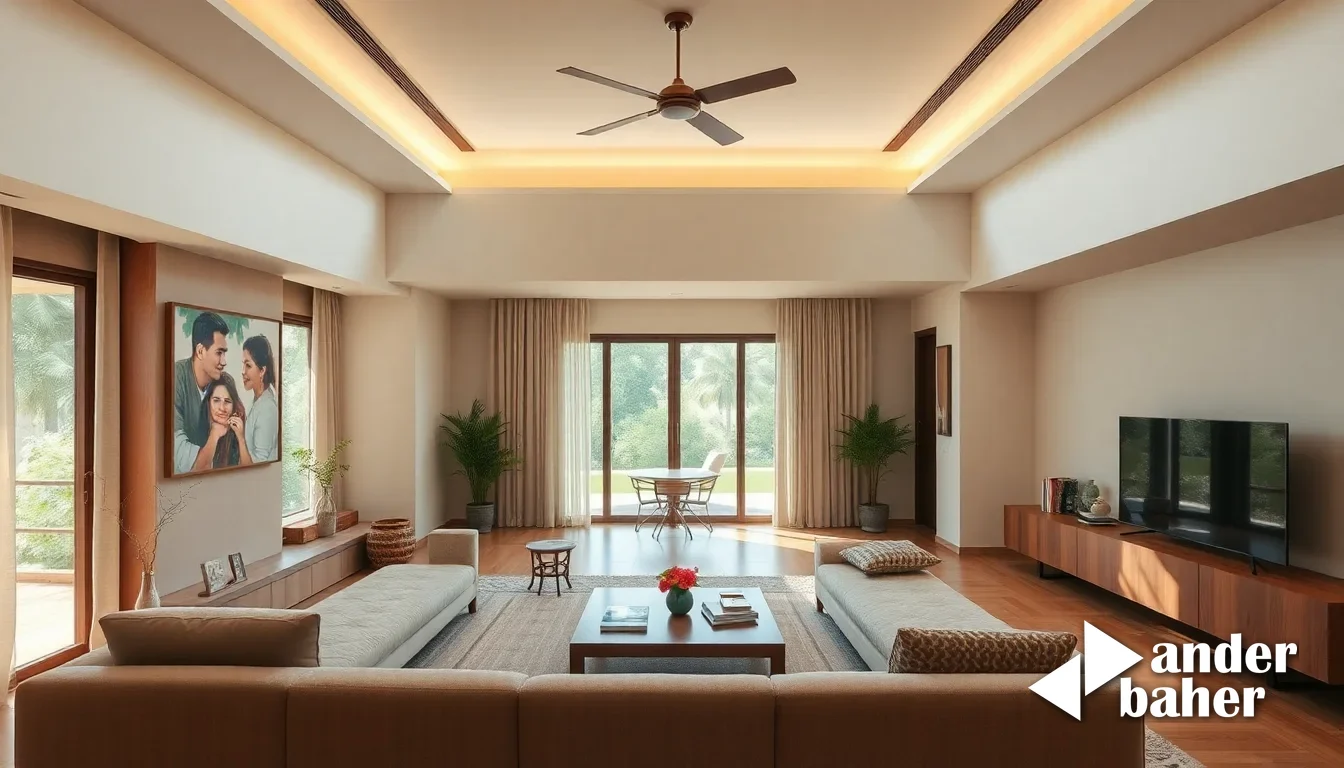
In the ever-evolving landscape of architecture and design, technological advancements continue to reshape the way we conceive, visualize, and construct buildings. One such innovation that has been making waves globally and holds immense potential in the Indian architectural sphere is Augmented Reality (AR). In this blog post, we delve into the transformative impact of AR on architectural visualization and construction processes in the unique context of India.
The Indian Architectural Landscape:
India, with its rich cultural heritage and diverse architectural styles, presents a dynamic canvas for innovation. However, the construction industry in the country often faces challenges such as spatial constraints, complex regulatory frameworks, and the need for cost-effective solutions. AR emerges as a game-changer, offering architects, designers, and builders a tool that goes beyond traditional blueprints and models.
Enhancing Visualization:
AR allows architects to overlay digital information onto the physical world seamlessly, providing a holistic and immersive visualization experience. In a country where visual communication plays a crucial role in the design process, AR becomes a powerful medium to convey ideas to clients, stakeholders, and even the general public. Imagine walking through a virtual representation of a proposed building on the actual construction site, allowing stakeholders to experience the project in its real-world context.
Streamlining Design Iterations:
Architectural projects often undergo numerous iterations before reaching the final design. AR expedites this process by enabling real-time modifications and adjustments. Designers can instantly visualize how changes will impact the overall structure, materials, and aesthetics, fostering a more collaborative and efficient design workflow. This capability proves invaluable in addressing the diverse and sometimes intricate requirements of Indian clients and regulatory bodies.
On-Site Construction Advancements:
In the realm of construction, AR facilitates precision and efficiency. Through AR-enabled devices like smart helmets or tablets, construction workers can access detailed 3D models, blueprints, and instructions overlaid onto the physical construction site. This not only minimizes errors but also accelerates the construction timeline. In a country where rapid urbanization demands swift and accurate construction, AR becomes a crucial tool in meeting these challenges head-on.
Localizing AR Solutions:
To fully harness the potential of AR in the Indian context, it is essential to develop solutions that are tailored to local needs and conditions. This involves considering factors such as diverse climatic conditions, regional building styles, and the varying skill levels of the workforce. Customizing AR applications for the Indian architectural landscape ensures that the technology seamlessly integrates into the existing framework, fostering widespread adoption.
Challenges and Future Prospects:
While AR promises transformative benefits, challenges such as infrastructure limitations, cost implications, and the need for skilled personnel must be acknowledged. However, as technology continues to evolve, these hurdles are likely to be addressed. The future of AR in India's architectural realm appears promising, with the potential to redefine how we conceive, design, and construct the structures that shape our urban and rural landscapes.
As India marches towards a future marked by innovative and sustainable architecture, AR emerges as a key ally for architects and designers. By seamlessly blending the virtual and physical worlds, AR has the potential to revolutionize the way we visualize, communicate, and build. Embracing this technological wave, architects in India can not only enhance their creative processes but also contribute to the creation of more efficient, sustainable, and visually captivating structures that define the nation's architectural identity.
Facebook Twitter LinkedInStill need help?
Get in touch with us
Frequently asked
How does AR improve the design process for luxury residential projects in India?
AR enables architects to overlay digital models onto actual sites, allowing clients to experience spatial relationships and material finishes in real-world context before construction begins—particularly valuable when designing homes in complex urban settings like Bengaluru or Mumbai.
Can AR help reduce construction errors and timelines on high-end projects?
Yes. AR-enabled devices provide construction teams with precise 3D blueprints and instructions overlaid directly onto the site, minimizing costly mistakes and accelerating execution—a critical advantage in India's competitive premium development landscape.
What challenges does AR face in widespread adoption across Indian practices?
Infrastructure limitations, upskilling requirements, and initial implementation costs remain barriers, though these are steadily diminishing as technology matures and becomes more accessible to design and construction professionals nationwide.
Ready to transform your space — inside or out?
Tell us a little about your home or office. We'll get back within one working day.
Book a consultation