
Magazine › Sustainability
Harnessing the Sun: How Photovoltaic Glass Architecture Transforms Sustainable Building
Explore the innovative world of photovoltaic glass and its impact on building energy efficiency. Learn how this technology is transforming buildings into energy-producing entities, paving the way for a sustainable future.
By the Ander Baher Editorial Desk · 4 March 2024
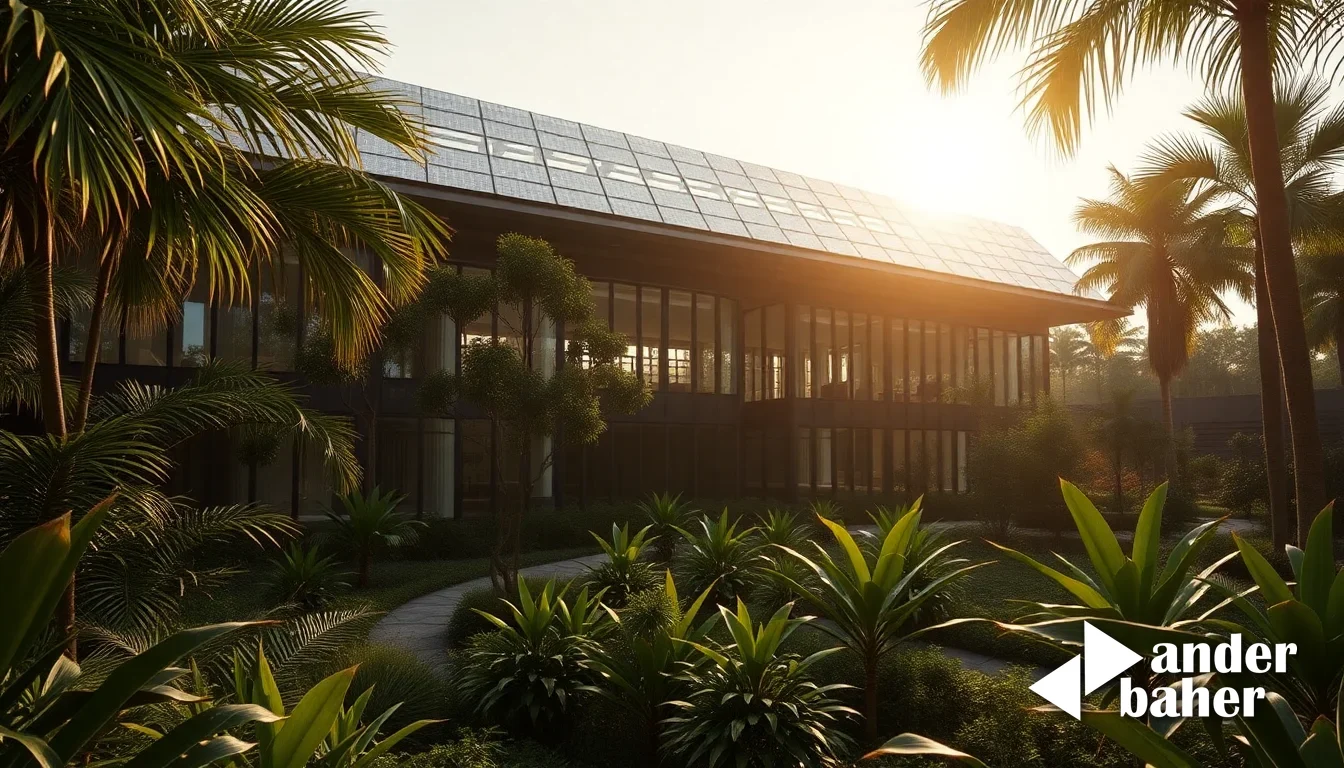
In the quest for more sustainable and energy-efficient building solutions, photovoltaic (PV) glass stands out as a groundbreaking innovation, transforming buildings from mere structures to active energy producers. This revolutionary material not only serves the traditional function of windows but also harnesses solar energy, offering a dual benefit of illumination and power generation. Let's delve into how PV glass is shaping the future of architectural design and energy sustainability.
The Basics of Photovoltaic Glass
PV glass incorporates thin photovoltaic cells between layers of glass, making it capable of converting sunlight into electricity. This technology can be applied to windows, facades, skylights, and even balustrades, maintaining transparency and aesthetic appeal while generating clean energy. The efficiency of PV glass has seen significant improvements over the years, making it an increasingly viable option for both new constructions and retrofitting projects.
Key Advantages
Energy Generation: Buildings can produce their own electricity, reducing dependency on external power sources and lowering energy bills.
Sustainability: By generating clean, renewable energy, PV glass contributes to reducing a building's carbon footprint and promoting environmental sustainability.
Aesthetic Flexibility: Modern PV glass comes in various tints and transparency levels, offering architects and designers creative freedom without compromising on energy performance.
Thermal Insulation: PV glass can provide excellent insulation, further enhancing a building's energy efficiency by reducing heating and cooling demands.
Cutting-edge Applications and Projects
The Edge, Amsterdam: Dubbed as one of the greenest buildings in the world, The Edge incorporates PV glass in its design, showcasing the potential of integrating solar power generation into commercial office spaces.
Solar Carports and Canopies: Beyond buildings, PV glass is being used in carports and canopies, providing shade while generating electricity for onsite use or feeding back into the grid.
The Future Outlook
The adoption of PV glass is set to increase as the technology advances, costs decrease, and the global push for sustainability grows stronger. Future developments may include higher efficiency cells, improved aesthetics, and integration with smart building technologies, offering even greater energy savings and environmental benefits.
Challenges and Considerations
While PV glass presents a promising solution, considerations include the initial investment cost, architectural integration, and geographical factors affecting sunlight exposure. However, with rising energy costs and the urgent need for sustainable solutions, the long-term benefits of PV glass are compelling.
In Conclusion
Photovoltaic glass is revolutionizing building energy efficiency, offering a practical and aesthetic solution for harnessing solar energy. As this technology continues to evolve, it paves the way for a future where buildings not only consume energy but also produce it, contributing to a more sustainable and energy-independent world.
Facebook Twitter LinkedInStill need help?
Get in touch with us
Frequently asked
How does photovoltaic glass work in residential architecture?
PV glass incorporates thin photovoltaic cells between glass layers, converting sunlight into electricity while maintaining transparency. It can be applied to windows, skylights, and balustrades, functioning as both transparent architectural elements and active energy generators.
What are the sustainability benefits of using PV glass in premium homes?
PV glass reduces a building's carbon footprint by generating clean, renewable energy onsite, lowering dependency on external power sources and energy bills while offering aesthetic flexibility through various tints and transparency levels.
What should homeowners consider before integrating photovoltaic glass?
Key considerations include initial investment costs, architectural integration with your design vision, and geographical factors affecting sunlight exposure—though long-term energy savings and environmental benefits typically justify the upfront expenditure.

Ready to transform your space — inside or out?
Tell us a little about your home or office. We'll get back within one working day.
Book a consultation