
Magazine › Architecture
When Global Ambition Meets Local Root: Rethinking Home Design in 2026
As the world's most celebrated architects push boundaries, Indian homes face a quiet revolution—one that honours craft, climate, and continuity rather than chasing novelty.
By the Ander Baher Editorial Desk · 1 October 2026
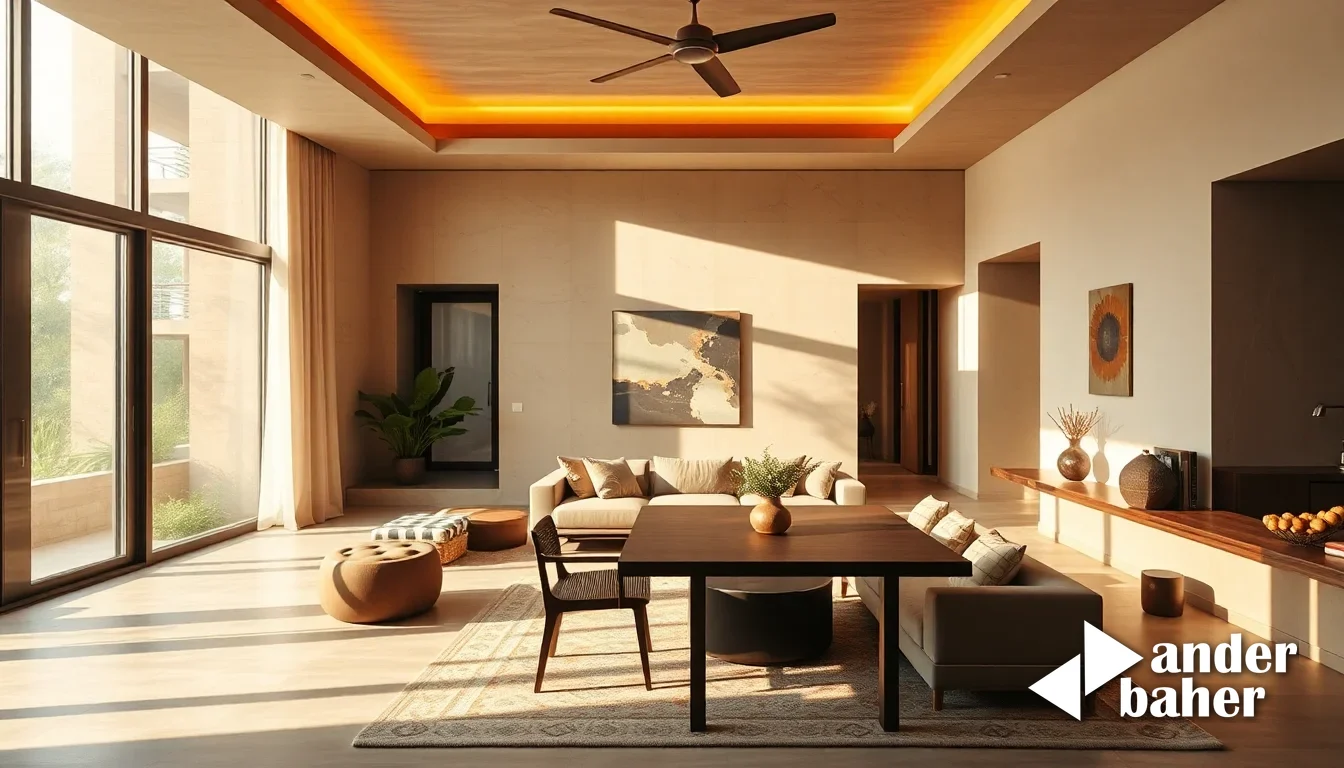
The homes making waves in global architecture discourse this season share a curious trait: they refuse easy categorisation. They are neither purely minimal nor overtly maximalist, neither slavishly international nor aggressively localist. Instead, they occupy a liminal space where restraint meets generosity, where material honesty collides with unexpected beauty. For those designing homes in India, this moment offers something more useful than trend-chasing—it offers permission to think differently about what a well-designed home might be.
The Quiet Rebellion Against Sameness
Contemporary architecture globally is moving away from the glass-and-steel monoliths that defined the 2010s. Instead, we see a return to tactile materials, considered proportions, and spaces that acknowledge human scale. A home in a Mumbai high-rise or a Bangalore villa need not ignore this shift. The rebellion here is not about adopting another region's aesthetic wholesale, but about questioning the default assumptions embedded in Indian urban design: Why must a flat in a city necessarily look generic? Why should a bungalow default to a predictable formula?
The most interesting homes being built today—whether in Copenhagen or Chennai—treat their context as a collaborator rather than a constraint. Climate becomes a design driver, not an obstacle. Local materials arrive not as budget compromises but as protagonists. A home built with deep verandahs, courtyards that breathe, and materials that age gracefully is not nostalgic—it is radically contemporary.
Craft as Resistance
One thread connecting acclaimed homes this year is the visibility of craft. Not craft as decoration, but craft as decision-making. A finished surface reveals its making. Wood sits unadorned. Stone speaks to its origin. In the Indian context, this legitimises what many homeowners intuitively know: a mason's understanding of proportion, a carpenter's knowledge of wood movement, a gardener's reading of seasonal rhythm—these are not quaint holdovers but essential design intelligence.
A residence in Bangalore with locally-sourced stone, designed alongside the builders and craftspeople who will realise it, occupies the same intellectual territory as any award-winning international project. The difference is not quality; it is approach.
Living With Uncertainty
Perhaps the most significant shift is psychological. Celebrated homes today are increasingly comfortable with impermanence. Materials that will patina. Spaces that will be reimagined. Gardens that will evolve. This stands in sharp contrast to the idea—still dominant in Indian real estate—that a home is a finished product, locked in time on the day of handover.
A well-designed home, whether a Mumbai apartment or a Kerala courtyard house, is not completed at inauguration. It begins there. It accumulates light differently across seasons. Creepers grow. Surfaces develop character. This philosophy requires confidence from designers and a different kind of trust from those who inhabit these spaces.
The global conversation about ambitious home design in 2026 ultimately circles back to the same question that has always mattered: What does it mean to dwell somewhere, rather than simply occupy it? For Indian homes, the answer lies not in importing answers, but in listening more carefully to the questions already embedded in our climate, our craft traditions, and our relationship with land and time.
Sources & further reading
- Dezeen — Dezeen's top five houses of September 2026 ↗
- Dezeen — Norman Foster to give keynote speech at Dezeen Awards 2026 party ↗
- Dezeen — Five USA-based job vacancies detailed on Dezeen Jobs ↗
- Dezeen — Recyclable Wildflower installation among timber prototypes at BuildFest 2026 ↗
An original Ander Baher perspective, informed by the coverage above.
Frequently asked
How can I design my home to feel contemporary without abandoning local context?
The most compelling approach treats your climate, craft traditions, and materials as collaborators rather than constraints. A home with deep verandahs, considered proportions, and locally-sourced finishes—designed with your builders and craftspeople—operates at the same intellectual level as any international award-winner, but rooted in place.
Why should I embrace materials that will age and change over time?
A well-designed home is not finished at handover; it begins there. Materials that patina, surfaces that develop character, and gardens that evolve create spaces that accumulate meaning and light across seasons—transforming occupation into genuine dwelling.
Is craft visibility in home design a luxury or a necessity?
It is neither decoration nor nostalgia. A mason's understanding of proportion, a carpenter's knowledge of wood movement, and a gardener's seasonal literacy are essential design intelligence—as valuable to a Mumbai flat or Bangalore villa as to any global project.
Ready to transform your space — inside or out?
Tell us a little about your home or office. We'll get back within one working day.
Book a consultation