
Magazine › Terrace
The Art of Living Outside: Designing Spaces That Actually Work
A well-designed outdoor room isn't an afterthought—it's an extension of how you live, shaped by light, season, and the simple ritual of being outside.
By the Ander Baher Editorial Desk · 1 August 2026
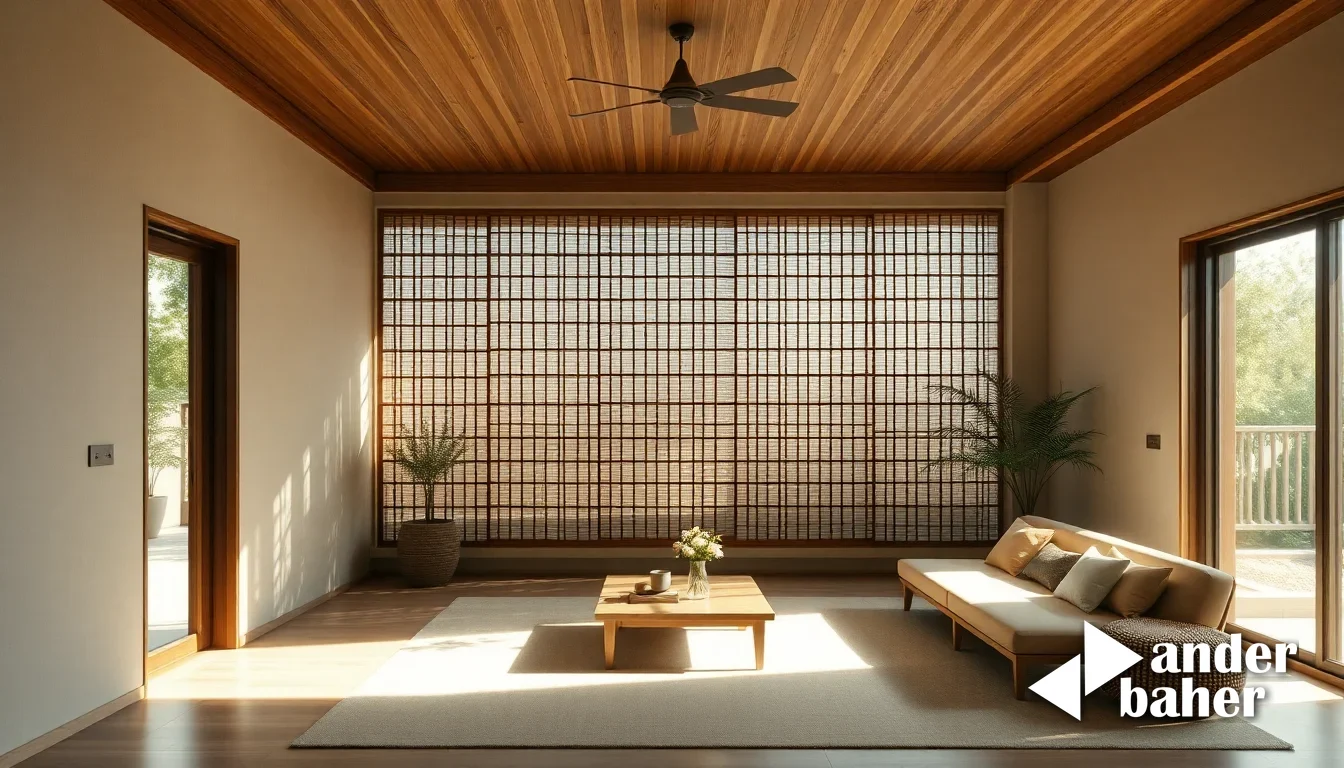
The best outdoor rooms don't announce themselves. They exist quietly in the margin between inside and outside, shaped by honest questions: Where will the afternoon sun actually fall? What happens here in June? Will anyone actually sit on that bench? These details, overlooked in the glossy rendering phase, determine whether a space becomes part of daily life or a beautiful relic visited once a month.
In Bangalore's temperate climate, outdoor living stretches nearly year-round, yet most terraces and balconies remain underutilized—either scorched by unbroken sun or abandoned during monsoon. The gap isn't aesthetic. It's functional. A terrace needs permission structures: shade that arrives when you need it, seating that invites lingering, surfaces that withstand weather without becoming maintenance theater.
Reading Light and Shadow
Before choosing furniture or finishes, map the light. Stand on your terrace at 8 a.m., noon, and 4 p.m. Watch how shadow moves. In Mumbai's humid climate, morning light feels gentler; by 3 p.m., even covered spaces can radiate heat. A fixed pergola might feel generous in January and oppressive by April. Consider retractable shade—motorized louvers or fabric screens that respond to season and time. This isn't luxury; it's the difference between a space that accommodates life and one that demands you work around it.
Vertical elements matter as much as overhead ones. A wall trellis with fast-growing vines creates dappled shade and privacy without the visual weight of a solid structure. Bamboo or timber screening filters harsh light while allowing air to move—essential in monsoon months when stagnant moisture breeds mold and discomfort.
Materials That Weather Honestly
Choose surfaces that age gracefully in Indian weather. Sealed Indian stone or large-format porcelain hold up better than wood in humid zones. For furniture, teak or sustainably sourced timber develops silver patina rather than rotting—it tells the story of seasons. Outdoor rugs in solution-dyed polypropylene feel textile-soft underfoot while resisting mildew. Avoid anything that pretends to be maintenance-free; instead, select materials whose care ritual becomes meditative rather than burdensome.
Water drainage is invisible work that prevents misery. Slope terraces 1-2 percent, install proper outlets. A terrace that pools after rain becomes unusable for days. This isn't glamorous, but it's essential.
The Ritual of Proximity
Functional outdoor living begins with proximity. The seating area should be steps from the kitchen door—not so far that carrying a tray becomes negotiation. A low table for morning coffee, a proper dining surface for evening meals, a lounger positioned to catch evening breeze while watching the street. These aren't separate zones; they're chapters of a single day.
Lighting extends usability. Warm LEDs tucked into soffit lines feel different from decorative strings. Consider dimmers. A space that glows softly at dusk invites lingering in ways bright floods cannot.
The measure of a well-designed outdoor room isn't how it photographs. It's how often you actually use it—not because you feel you should, but because it's where you naturally drift when the day softens and the air cools. That's when design disappears, and living begins.
Frequently asked
How do I make my terrace or balcony actually usable year-round in Bangalore's climate?
Map sunlight at different hours, then invest in responsive shade—retractable louvers or climbing vines on a trellis—rather than permanent structures that become oppressive by late spring. Pair this with proper drainage (1–2% slope), materials that weather honestly like sealed stone or teak, and seating positioned close enough to the kitchen that daily use feels natural rather than effortful.
What's the best material for outdoor furniture and surfaces in humid Indian weather?
Choose surfaces that age gracefully: sealed Indian stone or large-format porcelain for durability, teak or sustainably sourced timber for furniture (it develops a silvery patina rather than rotting), and solution-dyed polypropylene for outdoor rugs. The key is selecting materials whose seasonal care feels meditative, not burdensome.
Why does my outdoor space feel unused even though it looks beautiful?
Proximity and ritual matter more than aesthetics. Your seating should be steps from the kitchen door, with distinct zones for morning coffee, dining, and evening lounging. Add warm, dimmable lighting to extend usability into dusk. A well-designed outdoor room isn't about photographs—it's about naturally drifting there when the day softens.
Ready to transform your space — inside or out?
Tell us a little about your home or office. We'll get back within one working day.
Book a consultation