
Magazine › Sustainability
Discover the Power of Urban Vertical Forests to Transform City Life
Explore the innovative concept of vertical forests, an architectural marvel that brings lush greenery to urban landscapes, promising a greener and more sustainable future.
By the Ander Baher Editorial Desk · 7 March 2024
Understanding Vertical Forests
What Are Vertical Forests?
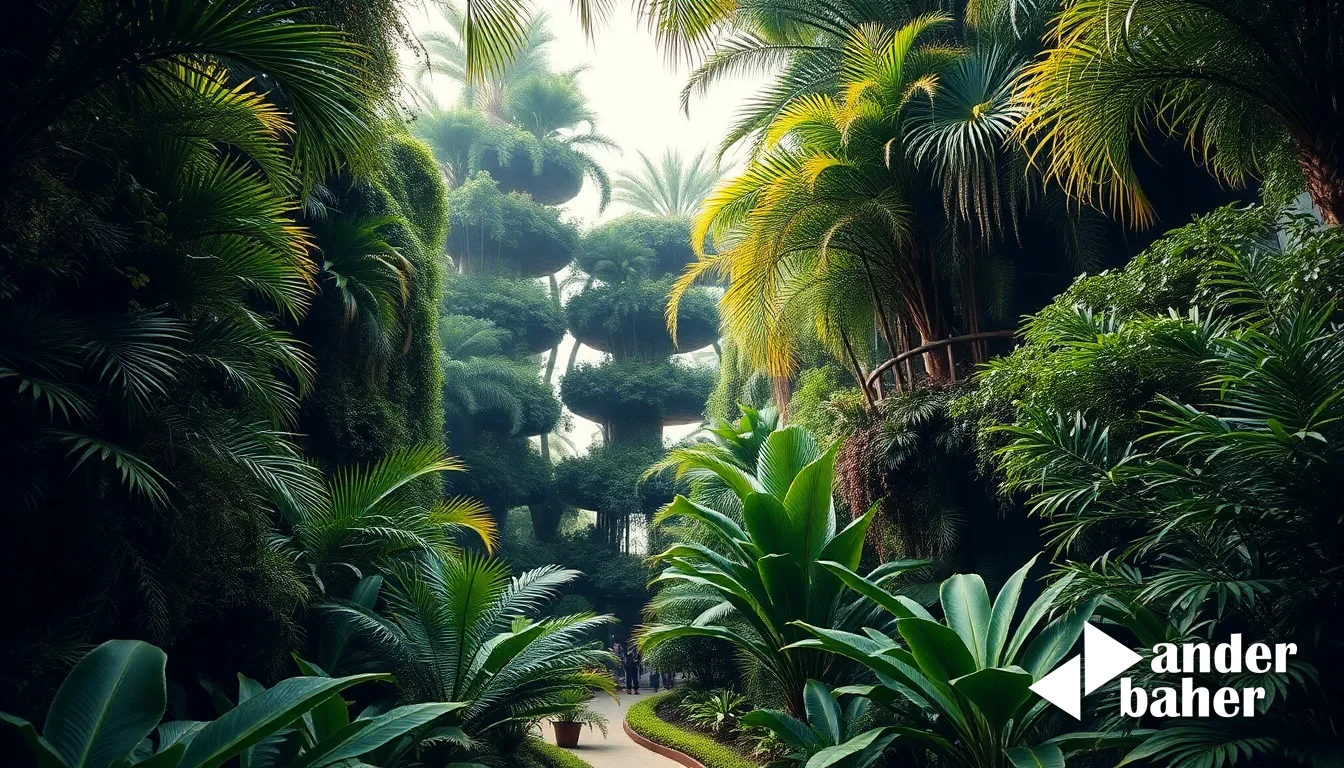
Vertical forests are innovative architectural structures that incorporate extensive greenery into and on their facades. These buildings are designed with large balconies and terraces to house a variety of plants, trees, and shrubs, effectively creating a forest in the sky. The concept goes beyond mere aesthetics; it is a radical approach to urban greening that aims to combat pollution, increase biodiversity, and provide significant ecological benefits within city landscapes.
Why Are They Important?
The significance of vertical forests in urban areas cannot be overstated. They play a crucial role in absorbing carbon dioxide, producing oxygen, and filtering particulate matter from the air, contributing significantly to improving urban air quality. Moreover, by introducing a diverse range of flora and fauna into city centers, they help restore urban biodiversity, offering habitats for birds, insects, and other wildlife. Additionally, the presence of greenery has a cooling effect, mitigating the urban heat island phenomenon and enhancing the overall well-being of city dwellers.
The Pioneers of the Vertical Forest Movement
The concept of vertical forests was popularized by the Bosco Verticale (Vertical Forest) in Milan, Italy, designed by architect Stefano Boeri. Completed in 2014, this groundbreaking project features two residential towers that host nearly 800 trees, 4,500 shrubs, and 15,000 plants. The success of Bosco Verticale has inspired numerous similar projects worldwide, from Singapore's Garden City to the Nanjing Vertical Forest in China, each adapting the concept to local climates and ecosystems.
Benefits of Vertical Forests
Combating Urban Pollution
One of the most immediate benefits of vertical forests is their ability to improve air quality. The plants and trees integrated into these buildings absorb pollutants and carbon dioxide, producing clean oxygen as a result. This natural air purification process is vital in densely populated cities where air quality is often compromised.
Enhancing Urban Biodiversity
By introducing a wide variety of plant species into the urban fabric, vertical forests create new habitats for birds, bees, butterflies, and other wildlife. This increase in biodiversity not only enriches the urban ecosystem but also strengthens the resilience of city landscapes to environmental changes.
Mitigating the Urban Heat Island Effect
The greenery in vertical forests helps to lower the surrounding air temperatures through the process of evapotranspiration, reducing the need for air conditioning and energy consumption in buildings. This natural cooling effect is essential for making cities more livable and climate-resilient.
Promoting Mental and Physical Well-being
The presence of green spaces within urban areas has been shown to have significant mental and physical health benefits. Vertical forests offer city dwellers close contact with nature, promoting relaxation, stress reduction, and an overall improvement in well-being.
The Future of Vertical Forests in Urban Planning
As cities continue to expand, the integration of nature into urban development becomes increasingly critical. Vertical forests represent a sustainable, innovative solution to the environmental challenges of urbanization. They embody the principle that it is possible to live in harmony with nature, even in the densest cityscapes.
Looking ahead, the concept of vertical forests is set to evolve further. With advancements in technology and a growing awareness of environmental issues, these green structures will likely become a staple in urban landscapes around the world. As architects and urban planners embrace this trend, we can anticipate a future where vertical forests are not just an exception but a norm in city development, making our urban environments healthier, more sustainable, and more beautiful.
In conclusion, the rise of vertical forests signifies a pivotal shift in how we approach urban design and sustainability. By blending architecture with ecology, these living buildings offer a promising path towards greener, more resilient cities. As this trend continues to gain momentum, it heralds a new era of urban development where nature and civilization coexist in mutual support, paving the way for a sustainable future for all.
Still need help?
Get in touch with us
Frequently asked
How do vertical forests improve air quality in cities like Bengaluru and Mumbai?
Vertical forests absorb carbon dioxide and particulate matter while producing clean oxygen through natural air purification. The integrated plants and trees work continuously to filter pollutants, making a measurable difference in densely populated urban areas.
Can vertical forest principles be adapted for residential balconies and terraces?
Absolutely. The concept scales beautifully from architectural towers to individual homes—curated plant selections on balconies and terraces bring similar ecological and wellness benefits, creating personal green sanctuaries within the city.
What wildlife and biodiversity benefits do vertical forests provide?
By introducing diverse plant species into urban fabric, vertical forests create new habitats for birds, bees, butterflies, and insects, strengthening urban ecosystem resilience and enriching the natural life of cities.

Ready to transform your space — inside or out?
Tell us a little about your home or office. We'll get back within one working day.
Book a consultation