
Magazine › Courtyard
Discover the Cultural and Practical Magic of Courtyards in Indian Homes
Uncover the cultural and practical significance of courtyards in Indian homes. These serene spaces are more than just architectural features; they are the heart and soul of Indian living. From preserving traditions to providing practical solutions, learn how courtyards have remained a cherished part
By the Ander Baher Editorial Desk · 23 October 2023

In the vibrant world of architectural wonders, Indian homes stand out for their unique charm, deeply rooted in tradition and culture. Among the many distinctive elements that define Indian architecture, the courtyard, known as "Aangan" in many regional languages, plays a crucial role. Courtyards have long been cherished for their cultural and practical importance, adding a harmonious touch to Indian homes. In this blog, we'll explore the significance of courtyards in Indian homes and reveal why they remain a timeless treasure in Indian architecture.
Cultural Significance of Courtyards in Indian Homes
1. Courtyards in Indian Homes as the Center of Family Life
The courtyard often serves as the heart of an Indian home, becoming the main space for family gatherings, celebrations, and daily interactions. It is where generations come together, reinforcing family bonds through storytelling, music, and dance. Traditionally, courtyards in Indian homes pass down cultural values, acting as living repositories of India’s rich heritage.
2. Courtyards in Indian Homes as Spiritual Sanctuaries
In Indian homes, courtyards are not merely architectural features—they are spiritual havens. Many homes feature a small shrine or puja area within the courtyard, providing a peaceful environment for prayer, meditation, and reflection. These sacred spaces connect residents with their spiritual roots, making courtyards in Indian homes a key part of religious practices.
3. Ventilation and Natural Light in Vastu Shastra Courtyards in Indian Homes
Courtyards align with Vastu Shastra, the ancient Indian architectural philosophy that emphasizes harmony between natural elements and home design. The open structure of courtyards in Indian homes ensures proper ventilation and sunlight, essential for maintaining energy balance and well-being in a home.
Practical Importance of Courtyards in Indian Homes
1. Thermal Comfort in Courtyards in Indian Homes
India's diverse climate—ranging from intense heat to cold winters—demands architectural adaptability. Courtyards in Indian homes function as natural thermal regulators, providing cool relief during hot summers and warmth during winters. Their design reduces the need for artificial heating and cooling, making homes more energy-efficient.
2. Enhanced Privacy in Courtyards in Indian Homes
In densely populated areas, privacy is often a luxury. The enclosed structure of a courtyard offers a peaceful retreat from the outside world, allowing families to relax and carry on with their personal activities without outside interference. This feature is invaluable in maintaining a calm and private living space, especially in courtyards in Indian homes.
3. Sustainable Rainwater Harvesting Through Courtyards in Indian Homes
In regions where water scarcity is a concern, courtyards in Indian homes often integrate rainwater harvesting systems. Their open design allows rainwater to be collected and stored for everyday use, promoting sustainable living practices that conserve precious resources.
4. Integration of Nature in Courtyards in Indian Homes
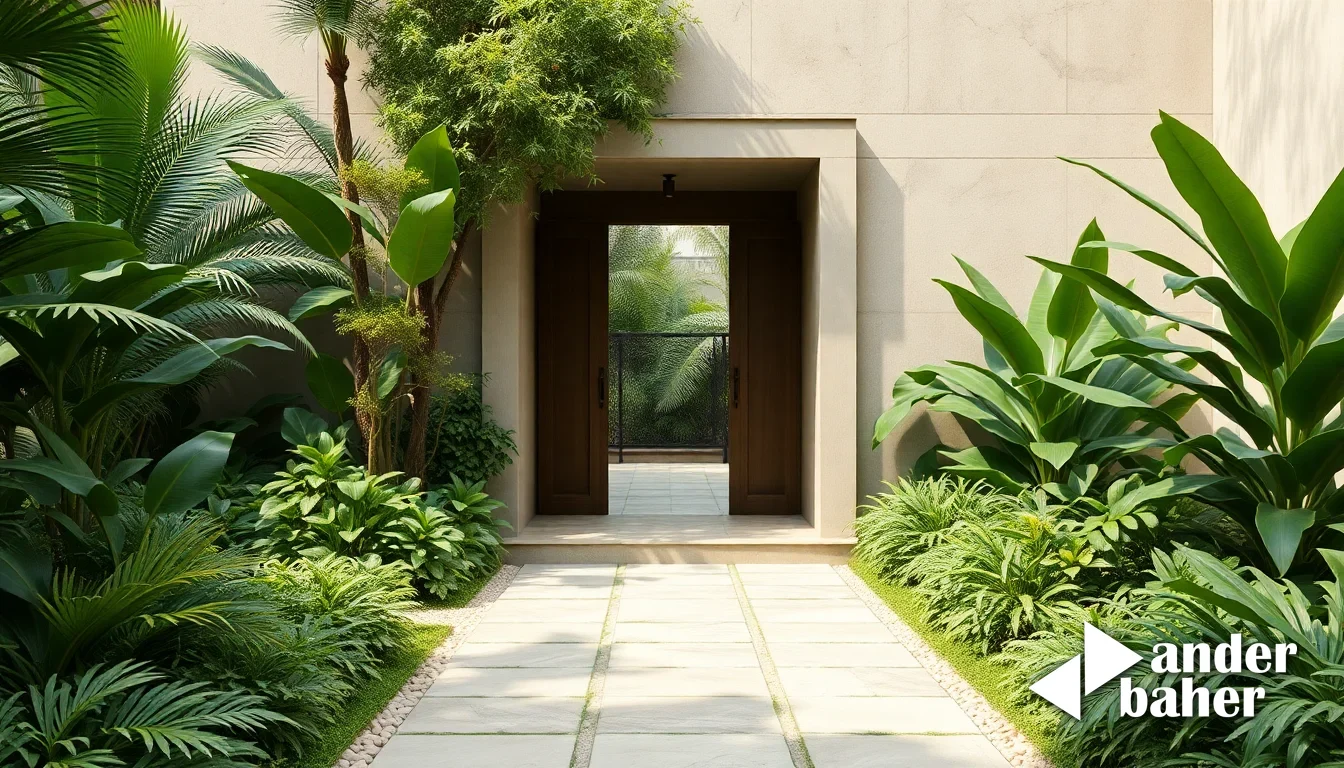
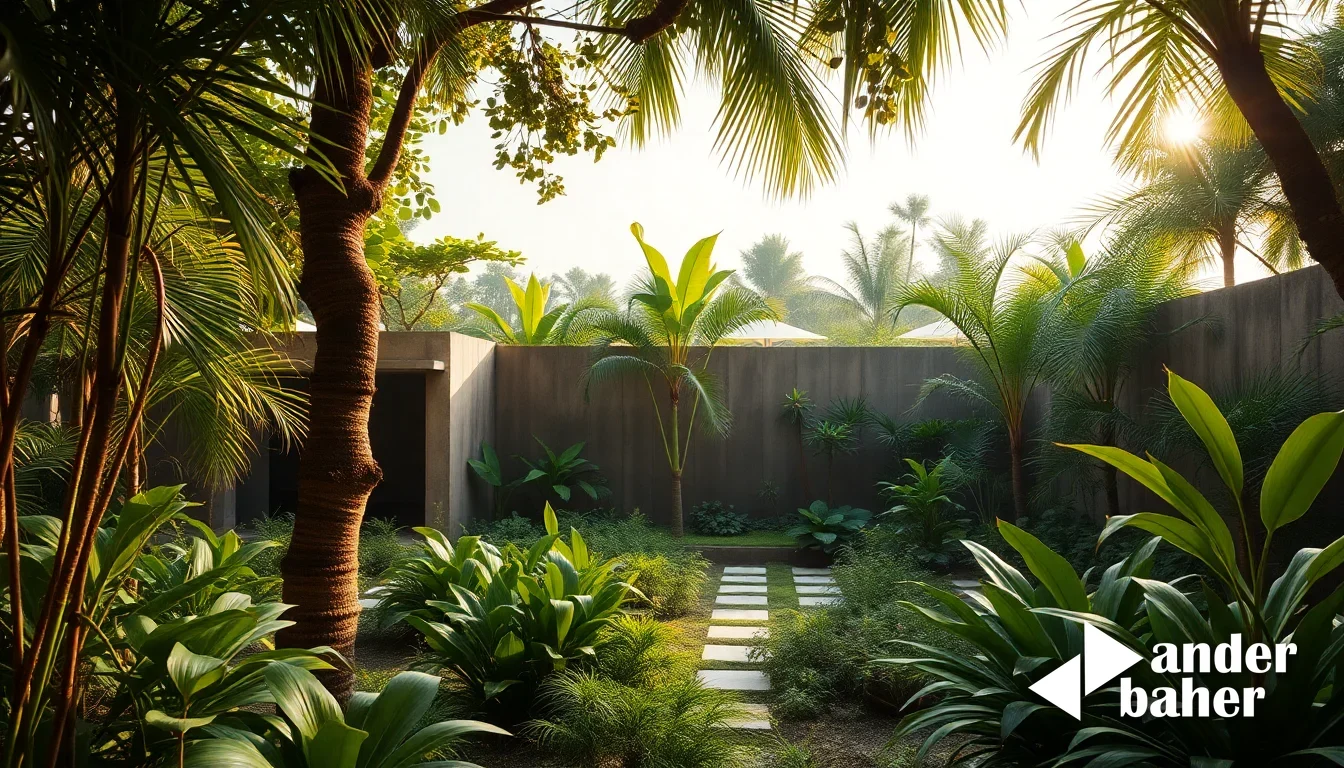
Courtyards bring the outdoors inside, offering space for small gardens and greenery. These green spaces not only enhance the aesthetic beauty of the home but also foster a connection to nature, promoting physical and mental well-being. In many Indian homes, courtyards serve as tranquil oases, where flowers and plants create a serene atmosphere.
Conclusion: Why Courtyards in Indian Homes Remain Essential in Architecture
In an age where modernity often overshadows tradition, the significance of courtyards in Indian homes continues to shine brightly. These unique spaces blend cultural heritage with practical functionality, creating a sanctuary for families and an eco-friendly solution for sustainable living.
From fostering strong family connections to improving thermal comfort and encouraging sustainable practices like rainwater harvesting, courtyards in Indian homes remain an integral part of Indian architectural design. As the world evolves, the preservation of these cultural gems ensures that India’s architectural heritage continues to thrive, blending seamlessly with modern living.
Facebook Twitter LinkedInStill need help?
Get in touch with us
Frequently asked
How do courtyards improve thermal comfort in Indian homes?
Courtyards function as natural thermal regulators, providing cool relief during hot summers and warmth in winters by facilitating cross-ventilation and sun exposure, reducing dependence on artificial heating and cooling systems.
Can courtyards support sustainable living in modern Indian homes?
Yes—courtyards enable rainwater harvesting systems and integration of gardens, allowing families to conserve water and create green spaces that enhance both aesthetic value and mental well-being.
What is the spiritual role of courtyards in traditional Indian architecture?
Many courtyards house small shrines or puja areas, serving as spiritual sanctuaries for prayer and meditation while connecting residents to their cultural and religious roots.

Ready to transform your space — inside or out?
Tell us a little about your home or office. We'll get back within one working day.
Book a consultation