
Magazine › Interiors
When Vertical Elements Frame the View: Cypress, Stone, and Light in Urban Homes
Tall, columnar plants and layered materials are reshaping how we orchestrate depth and movement in confined metropolitan spaces—a quiet lesson for Indian apartment living.
By the Ander Baher Editorial Desk · 3 October 2026
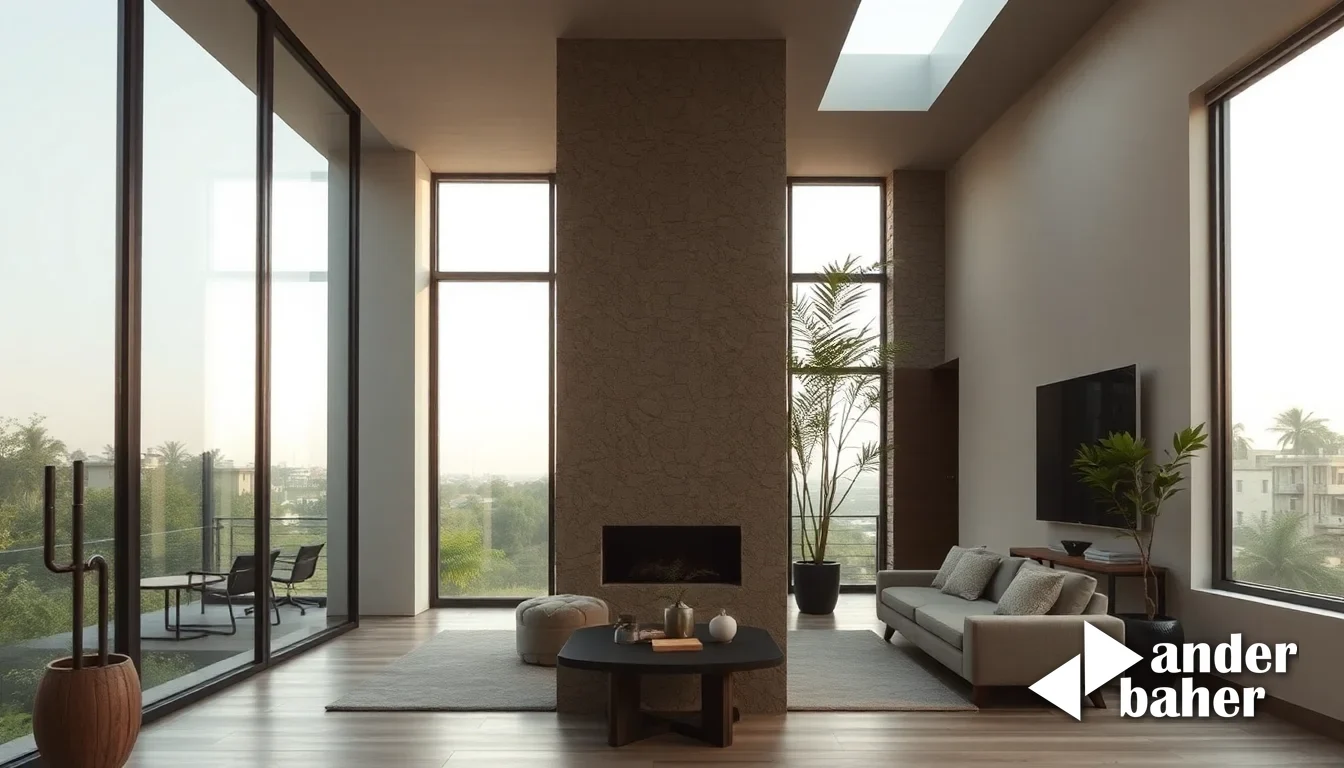
There is something almost meditative about how a single tall plant can transform the proportions of a room. In Mumbai's increasingly dense residential quarters, where square footage is precious and ceilings are fixed, designers are turning to vertical elements—textured walls, slender botanical forms, and stratified surfaces—to create what feels like depth where none existed before. The strategy is neither new nor particularly complex, yet it requires a deliberate restraint that many overlook.
Verticality as Breathing Space
The columnar cypress, familiar to Mediterranean gardens, has begun appearing in apartment studios across India's metro cities, not as a nostalgic gesture but as a functional composition tool. Its narrow silhouette draws the eye upward, elongating a room visually without claiming floor real estate. Paired with materials that catch and scatter light—marble in its varied finishes, glass that ripples rather than reflects flatly—the vertical emphasis becomes spatial theatre.
When you stand in a modest Bangalore flat where a polished marble accent wall meets a textured plaster finish, and a single tall plant breaks the monotony of the corner, the room doesn't feel larger in the crude sense. Instead, it feels articulated. The eye has a journey. Movement exists within stillness.
Layering Materials for Temporal Depth
What matters most is not the individual materials but their conversation. Marble—whether as a single-slab feature or in broken, irregular pieces—speaks to permanence and weight. Glass, especially when its surface is deliberately imperfect, introduces fragility and light play. Together, they create temporal layers: the cool solidity of stone, the momentary shimmer of refracted light, the organic life of a plant that changes with seasons and sunlight angles.
In Indian homes, where natural daylight often enters from limited directions and afternoon heat demands careful shading, this interplay becomes more than aesthetic. Rippling glass or textured surfaces can diffuse harsh light, while marble retains thermal mass—cooling a space subtly over hours. The design becomes climate-responsive almost without declaration.
Restraint Over Maximalism
The underlying principle here is one of editing rather than adding. A studio apartment in a concrete tower doesn't need more objects; it needs a hierarchy of surfaces and a clear visual logic. When cypress, marble, and glass are the primary actors, everything else—furniture, colour, texture—must earn its place. This discipline is particularly relevant for urban Indian homes, where rental constraints and space limitations demand solutions that feel sophisticated rather than cluttered.
The approach also resists the social-media impulse toward the maximal green wall or the statement installation. Instead, it asks: what if one carefully chosen plant, a thoughtfully selected stone surface, and light filtered through glass could redefine how you experience your room each hour of the day?
In metropolitan living, where the exterior is often concrete and density, these interior moves—tall and slender, cool and layered, alive and still—become small acts of spatial poetry. They remind us that design depth isn't always about square metres, but about how thoughtfully we orchestrate the elements already within reach.
Sources & further reading
- designboom — cypress, marble, and rippling glass rework apartment into local local’s athens studio ↗
- ArchDaily — Cabreira House / ARE ARCHITECTS STUDIO ↗
- Dezeen — Zonify Wall and Zonify Table by Studio Stockholm for Zilenzio ↗
- ArchDaily — Kenitra Socio-Cultural Center / AGA STUDIO ↗
An original Ander Baher perspective, informed by the coverage above.
Frequently asked
How can vertical elements make a small apartment feel larger without adding clutter?
Tall, slender forms like columnar cypress draw the eye upward and create visual depth through composition rather than footprint. Paired with layered materials—marble, textured plaster, rippling glass—they articulate space and create movement within stillness, making rooms feel more spatially intelligent without adding objects.
Why do textured surfaces and rippling glass matter in Indian homes with intense afternoon heat?
Rippling glass and textured finishes diffuse harsh sunlight while marble's thermal mass subtly cools spaces over hours. This creates a climate-responsive design that manages light and heat without visible mechanical intervention, particularly valuable in urban apartments with limited directional daylight.
What's the difference between this vertical design approach and maximalist plant walls?
Rather than layering multiple plants or surfaces for visual impact, this method uses restrained, carefully chosen elements—one tall plant, select stone surfaces, filtered light—as primary actors. Everything else must earn its place, resulting in sophisticated, uncluttered rooms that reward daily discovery.
Ready to transform your space — inside or out?
Tell us a little about your home or office. We'll get back within one working day.
Book a consultation