
Magazine › Balcony
Choosing What Lasts in India's Climate
From treated timber to weathered steel, the right material transforms a balcony from afterthought to cherished threshold—if it can survive the monsoon.
By the Ander Baher Editorial Desk · 17 August 2026
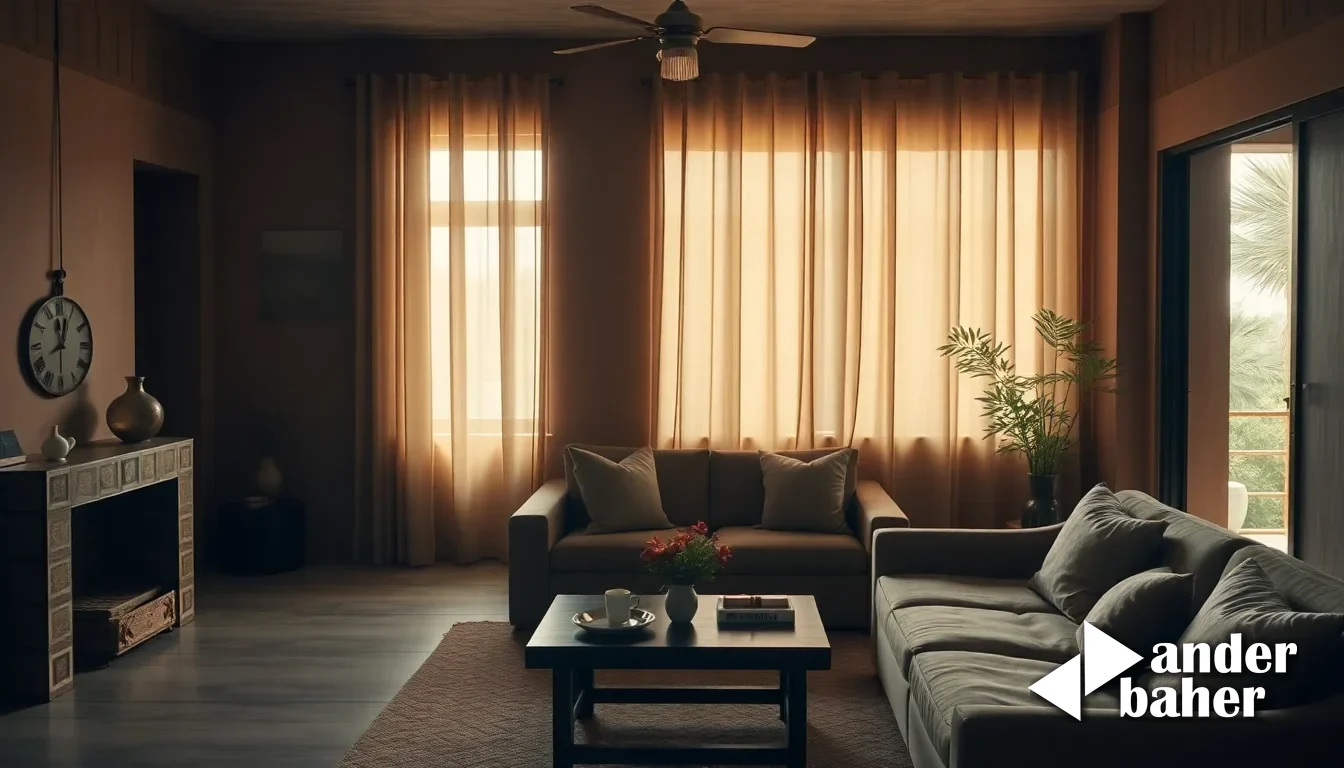
A balcony is neither fully inside nor entirely outside. It exists in a state of negotiation—with the elements, with the boundary between private and public, with how we choose to spend our time. In Indian homes, this liminal space demands materials that don't merely look considered; they must genuinely endure.
Walk through Bangalore's older neighbourhoods and you'll spot balconies clad in crumbling paint, rusted railings, and concrete that has surrendered to the heat. The inverse is equally visible: thoughtfully maintained balconies that have aged into character rather than decay. The difference lies partly in intention, but largely in material choice.
The Honest Materials
Tropical climates—the kind that define much of India—are unforgiving. Humidity sticks to surfaces. Monsoons arrive with force. Heat expands and contracts. A material chosen for aesthetics alone, without respect for these rhythms, becomes a problem within seasons.
Timber remains a perennial choice for balcony flooring and screening, but not all timber is equal. Teak and sal wood, indigenous to Indian forests, have been used in construction for centuries precisely because they resist rot and insect damage. Treated hardwoods, when properly seasoned and sealed, develop a patina that many find more beautiful than their initial finish. Other softwoods require more frequent maintenance—not a flaw, but a commitment worth understanding upfront.
Steel, when powder-coated or corten-finished, ages with transparency. A Mumbai balcony railing that rusts at its edges tells you exactly what the material has endured. Some homeowners sand and re-seal annually; others let the oxidation deepen, treating it as a record of seasons passing.
The Practical Palette
Concrete, poured or cast, offers durability but demands finishing. Sealed polished concrete reads as contemporary and performs well underfoot. Stamped or textured concrete provides grip during monsoons. Terrazzo—concrete embedded with chips of stone or recycled glass—has returned to favour among designers because it weathers subtly and references India's architectural heritage.
Tile, whether ceramic, porcelain, or natural stone, remains common for balcony floors. Porcelain outperforms cheaper ceramics in freeze-thaw cycles and staining. Locally quarried stone—limestone, granite, or slate—connects the space to its geography, though it requires sealing in high-moisture zones. These materials don't hide their age; they earn it.
For screening and shading, materials have evolved. Powder-coated aluminium louvers regulate heat without sacrificing views. Perforated metal, increasingly used in residential design, creates texture and shadow play while allowing air circulation. Fabric screens designed for outdoor use—solution-dyed synthetic fibres, mostly—resist fading and mildew better than they once did.
The Question of Maintenance
There exists no material that requires no care in India's climate. The question is not whether to maintain, but how—and whether that rhythm appeals to you. A teak balcony demands an oil every few years. Steel railings benefit from occasional checks for compromised seals. Concrete can chalk or stain if left unattended. Stone requires sealing cycles.
What distinguishes a well-used balcony from a neglected one is often not the material, but a modest commitment to seasonal care. Rinse off salt spray from coastal homes. Inspect railings before monsoon. Allow surfaces to weather intentionally rather than accidentally. A balcony chosen with honesty about your own rhythm—and the material's needs—becomes a threshold you'll actually inhabit.
Frequently asked
Which materials last longest on Indian balconies exposed to monsoons and humidity?
Teak and sal wood, powder-coated steel, sealed concrete, and porcelain tile all endure India's tropical climate when properly finished. The key is choosing materials matched to your willingness to maintain them seasonally—no material requires zero care.
Should I let my balcony railing rust, or reseal it annually?
Both approaches are valid. Corten-finished steel can be left to oxidise as a visual record of time; powder-coated railings benefit from annual inspection and re-sealing. The choice depends on whether you find patina beautiful or prefer consistency.
Is terrazzo or natural stone better for a balcony floor in Mumbai's coastal humidity?
Porcelain tile and sealed natural stone both perform well. Terrazzo weathers subtly and references India's architectural heritage, while locally quarried stone connects your space to its geography—though both require sealing in high-moisture zones to prevent staining.
Ready to transform your space — inside or out?
Tell us a little about your home or office. We'll get back within one working day.
Book a consultation