
Magazine › Architecture
Building for Bangalore's Temperate Mercy
Bangalore's mild climate is a rare gift. Here's how thoughtful apartment design harnesses it—and why most miss the opportunity entirely.
By the Ander Baher Editorial Desk · 17 August 2026
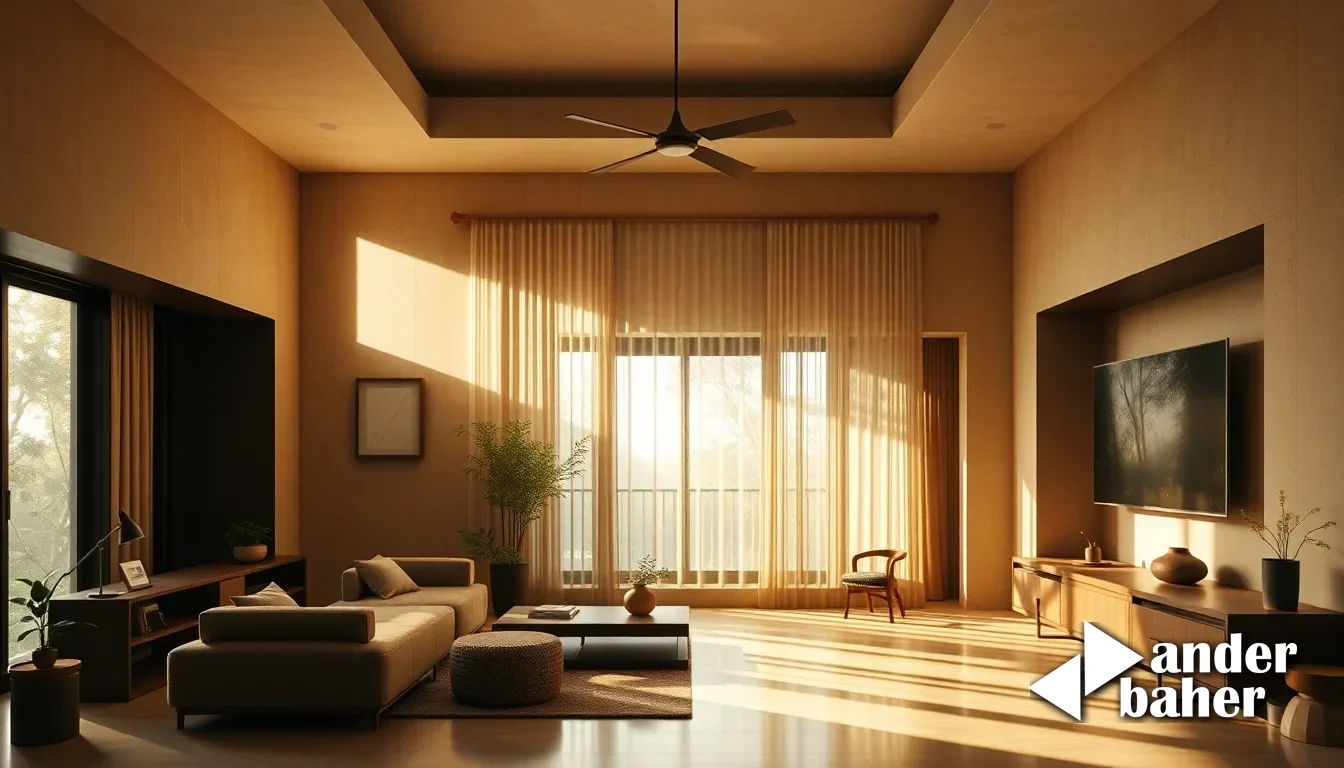
Bangalore's weather is a conspiracy of blessing. At 3,000 feet above sea level, the city enjoys temperatures that hover between 15°C and 28°C for most of the year—a rarity in India that urban planners and developers have largely squandered. Walk through a typical apartment tower here and you'll find sealed boxes: floor-to-ceiling glass that traps afternoon heat, air conditioning units humming at full throttle, and interiors designed as though the climate outside doesn't exist. The opportunity cost is immense.
The mild Bangalore weather demands a fundamentally different approach to apartment design—one that opens outward rather than inward, that treats the seasons as assets rather than obstacles, and that recognises the city's temperate blessing as a design brief.
The Case for Aperture and Orientation
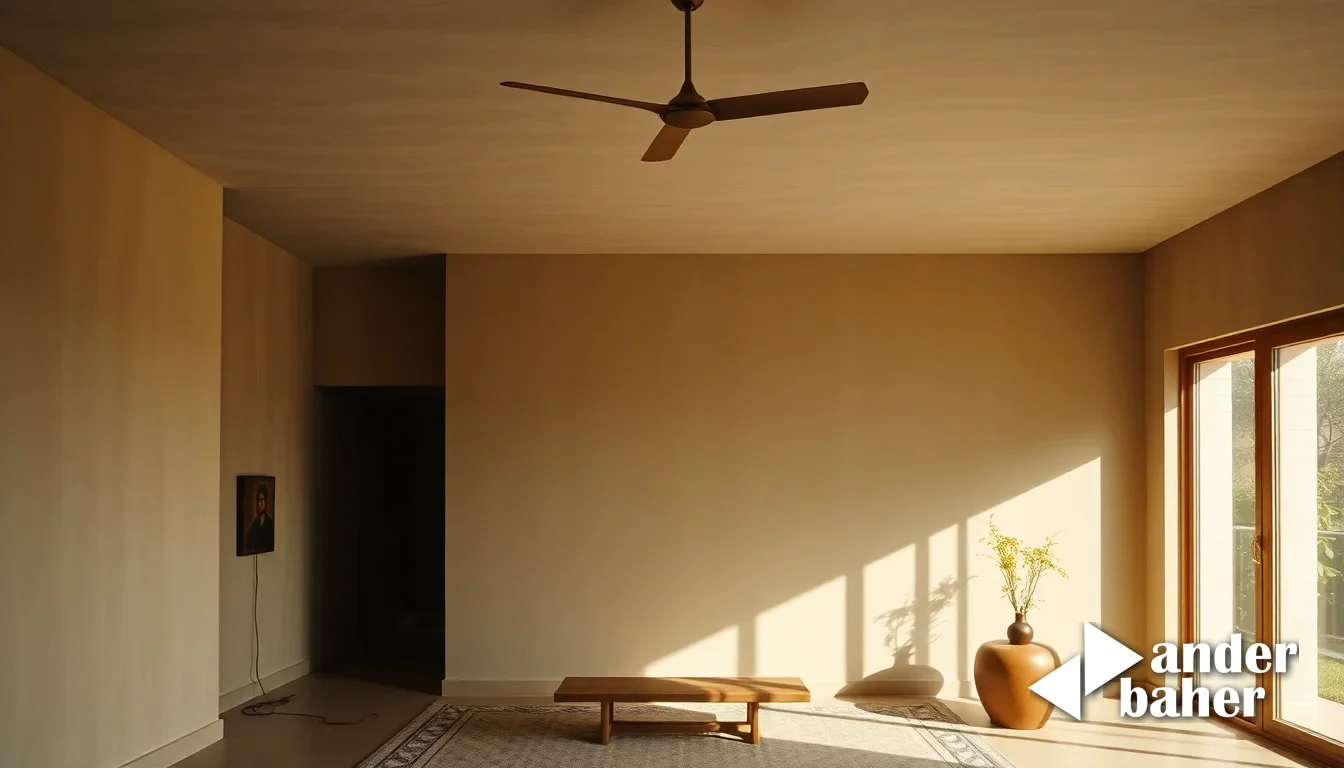
Begin with the bones of the building. In a city where air conditioning is optional rather than essential for much of the year, apartment orientation becomes architectural poetry. East-facing facades catch the gentler morning light; west-facing walls benefit from afternoon shade if deep overhangs and planted screens are thoughtfully deployed. This isn't passive house theory applied wholesale from Scandinavia. It's specific to Bangalore's latitude and its eight-month window of liveable outdoor temperatures.
The best Bangalore apartments reverse the sealed-box logic. They feature operable windows on multiple facades, cross-ventilation pathways that channel the cooler evening air through living spaces, and verandahs—not as afterthoughts, but as legitimate rooms. When a morning on the balcony in January feels like a gift, when September evenings invite you outdoors naturally, the apartment has succeeded.
Materiality as Climate Strategy
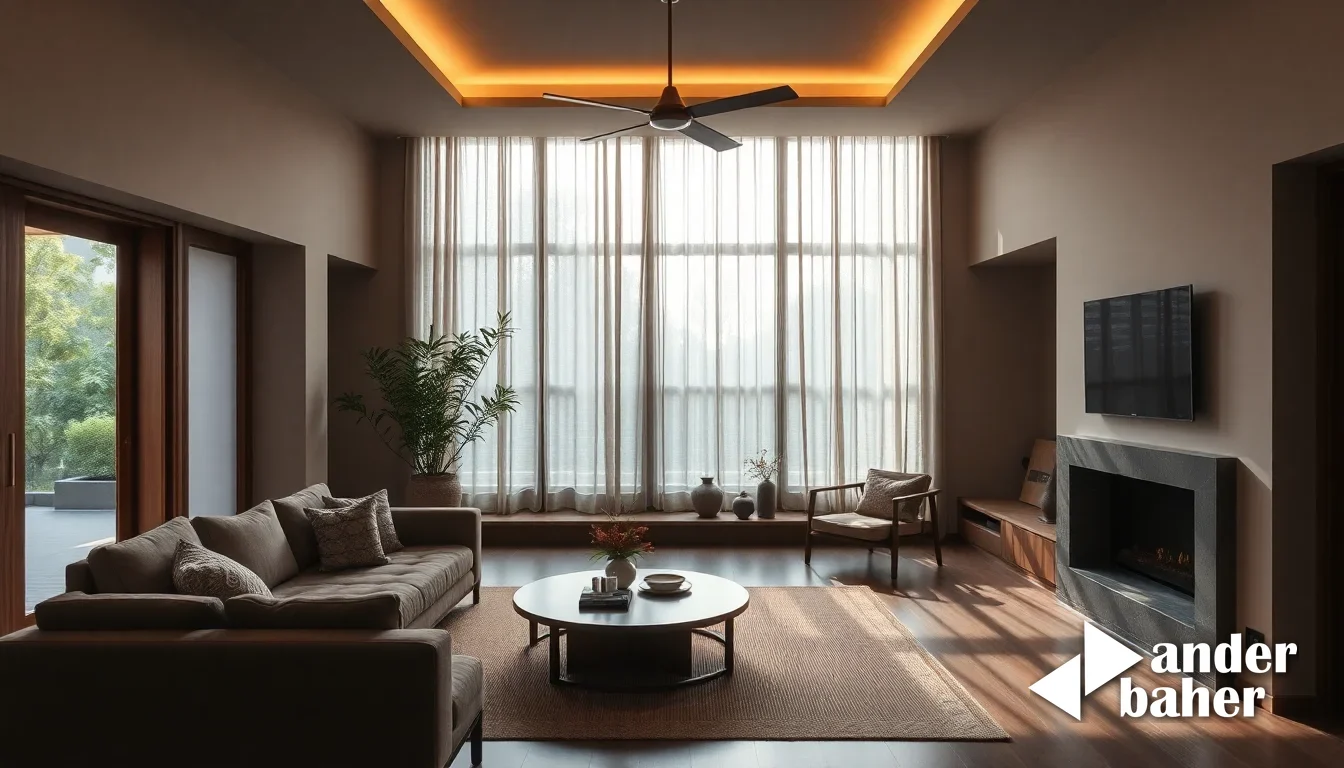
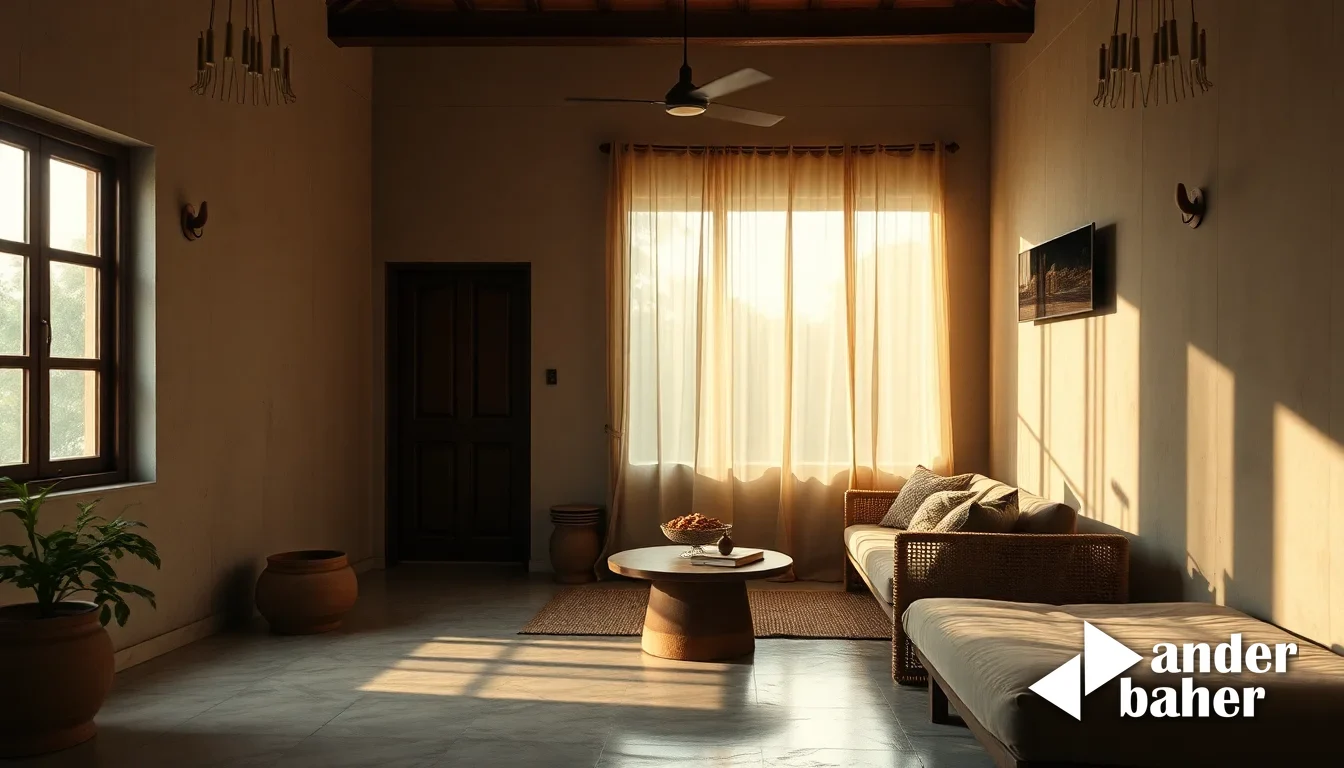
Finish choices matter more than most architects acknowledge. Thermal mass—concrete, stone, terracotta—absorbs heat during the day and releases it slowly at night, smoothing temperature swings. In Bangalore's moderate climate, this is infinitely preferable to the lightweight, thermally reactive interiors common in Indian apartments. A living room with stone flooring and plaster walls doesn't need the air conditioner running constantly; the materials themselves regulate.
Vegetation—on balconies, along facades, within courtyards—adds another layer. A planted wall facing south doesn't just filter light; it cools the air passing through it and extends the psychological sense of outdoors into indoor spaces.
The Unrealised Potential
Most Bangalore apartments treat the temperate climate as irrelevant—as though designing here required the same sealed, climate-controlled logic as Chennai or Delhi. They're over-engineered for a problem that doesn't fully exist, and under-designed for the particular luxury Bangalore offers: the ability to live comfortably with windows open, to work on a balcony in February, to design interiors that breathe seasonally.
The best apartments in the city are those that seem almost to dissolve into their setting—where the line between inside and outside becomes negotiable, where natural ventilation is not a backup system but the primary strategy. This is not nostalgia for older construction methods. It's recognition that Bangalore's mild weather is an inheritance worth designing for, not against.
Frequently asked
Why do most Bangalore apartments still rely heavily on air conditioning if the climate is mild?
Many developments treat Bangalore's temperate conditions as irrelevant, defaulting to sealed, over-engineered designs intended for hotter cities. This squanders the city's natural advantage and increases both operational costs and environmental impact.
How does apartment orientation specifically benefit Bangalore's climate?
East-facing facades capture gentler morning light while west-facing walls can leverage afternoon shade through deep overhangs and planted screens. This latitude-specific strategy reduces cooling loads and extends liveable outdoor seasons naturally.
What role do materials play in climate-responsive Bangalore interiors?
Thermal mass materials like stone, concrete, and terracotta absorb daytime heat and release it slowly at night, smoothing temperature fluctuations. This inherent regulation reduces reliance on mechanical cooling and creates more pleasant interior microclimates.
Ready to transform your space — inside or out?
Tell us a little about your home or office. We'll get back within one working day.
Book a consultation