
Magazine › Biophilic Design
Boost Productivity with Virtual Biophilic Workspaces
Discover how the fusion of biophilic design with virtual reality is creating immersive architectural experiences that connect us to nature like never before. Explore the future where digital landscapes meet human-centered design to enhance well-being and accessibility in urban environments.
By the Ander Baher Editorial Desk · 7 March 2024
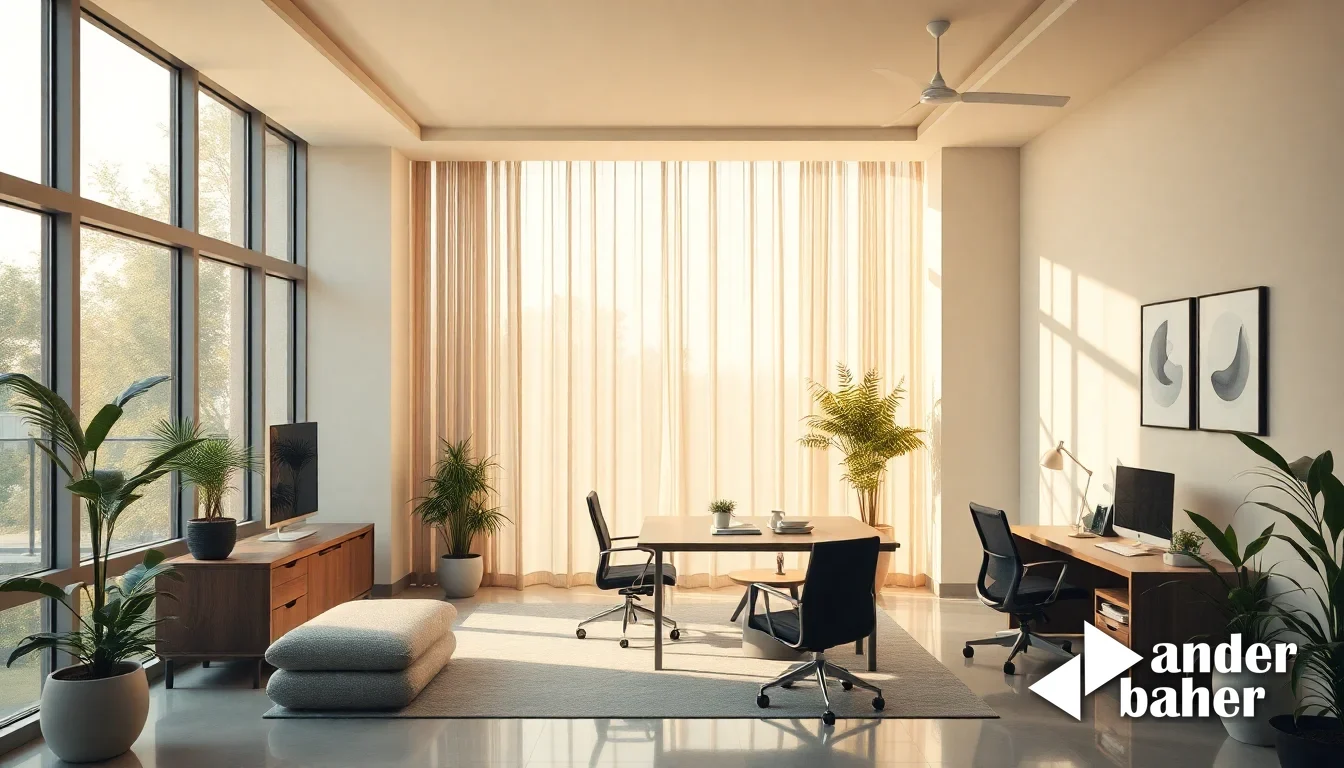
Biophilic design, with its focus on integrating natural elements into the built environment, has transformed spaces and improved well-being for its inhabitants. As technology progresses, the frontier of biophilic design is expanding into the digital realm, particularly through virtual reality (VR). This fusion offers an unprecedented opportunity to create immersive, dynamic environments that can simulate the restorative effects of nature, regardless of the physical constraints of the real world. Let's explore how biophilic design meets virtual reality, shaping the future of immersive architecture.
The Evolution of Biophilic Design in Digital Spaces
Traditionally, biophilic design principles have been applied to physical structures to bring the outdoors inside, incorporating elements like natural lighting, vegetation, water features, and materials that mimic natural scenes. However, the physical implementation of these elements can be limited by space, budget, and climate constraints. Virtual reality removes these barriers, allowing for the creation of expansive, intricate, and dynamic natural environments within a digital framework.
Virtual Reality: Expanding the Scope of Biophilic Architecture
Virtual reality technology can simulate complex natural environments that are fully interactive and responsive. This technology enables users to experience a variety of natural settings, from dense forests to serene beaches, without leaving their homes or offices. The immersive quality of VR means that these experiences can have similar psychological and physiological benefits to spending time in real natural environments, such as reducing stress, enhancing mood, and improving cognitive function.
Key Features and Benefits
- Accessibility: VR makes biophilic experiences accessible to everyone, including those in urban environments with limited green space or individuals with mobility issues.
- Customization: Digital environments can be tailored to individual preferences and needs, offering personalized therapeutic landscapes.
- Sustainability: Virtual nature experiences reduce the need for physical travel to natural sites, potentially lessening the environmental impact associated with tourism.
Integrating VR into Architectural Design
The integration of VR into architectural design and planning offers exciting possibilities. Architects and designers can use VR to visualize and explore biophilic elements in their projects before they are built, allowing for more experimental and innovative designs. Additionally, VR can be used in existing buildings to provide virtual nature experiences in spaces where physical biophilic design elements cannot be easily implemented.
Practical Applications
- Healthcare Facilities: VR can provide patients with immersive natural experiences, promoting healing and well-being in environments where direct access to outdoor spaces is limited.
- Workplaces: Incorporating VR nature experiences in office design can enhance employee well-being and productivity, offering a restorative break from the digital screens and indoor settings.
- Educational Settings: VR can be used to teach students about different ecosystems and biomes in an interactive and engaging way, fostering a deeper connection with nature.
Challenges and Considerations
While the potential of combining biophilic design with virtual reality is immense, there are challenges to consider. Ensuring accessibility to VR technology and addressing potential health impacts of prolonged VR use are important. Moreover, while virtual experiences can complement physical interaction with nature, they should not replace the need for real, tangible natural environments.
Conclusion
The fusion of biophilic design and virtual reality heralds a new era of immersive architecture, offering innovative solutions to connect people with nature in an increasingly digital world. As this field evolves, it promises to enhance our living and working environments, making the restorative power of nature accessible to all. By embracing these technologies, architects and designers can create spaces that foster health, well-being, and a deep connection with the natural world, regardless of the physical or geographical constraints.
Facebook Twitter LinkedInStill need help?
Get in touch with us
Frequently asked
Can virtual biophilic design genuinely improve workplace productivity and mental health?
Yes—immersive VR environments that simulate natural settings have been shown to reduce stress, enhance mood, and improve cognitive function with similar physiological benefits to time spent in actual nature, making them a credible complement to traditional office design strategies.
How does virtual biophilic design differ from simply adding plants or natural materials to an office?
VR removes physical and budgetary constraints, allowing dynamic, fully interactive natural environments tailored to individual preferences—offering more intensive restorative experiences than static elements alone, particularly in space-constrained urban office settings.
Should virtual nature experiences replace real outdoor spaces in workplace design?
No. Virtual experiences are a powerful complement, particularly where direct access to nature is limited, but they should enhance rather than replace tangible natural environments and direct outdoor access whenever feasible.
Ready to transform your space — inside or out?
Tell us a little about your home or office. We'll get back within one working day.
Book a consultation