
Magazine › Biophilic Design
Biophilic Design: Reconnecting with Nature in a Chaotic Urban World
Discover the world of biophilic design in our latest blog. Explore the benefits of bringing nature indoors, from enhancing well-being to boosting productivity and improving air quality. Learn how this design philosophy transforms spaces, making them more harmonious, eco-friendly, and nurturing in ou
By the Ander Baher Editorial Desk · 25 October 2023
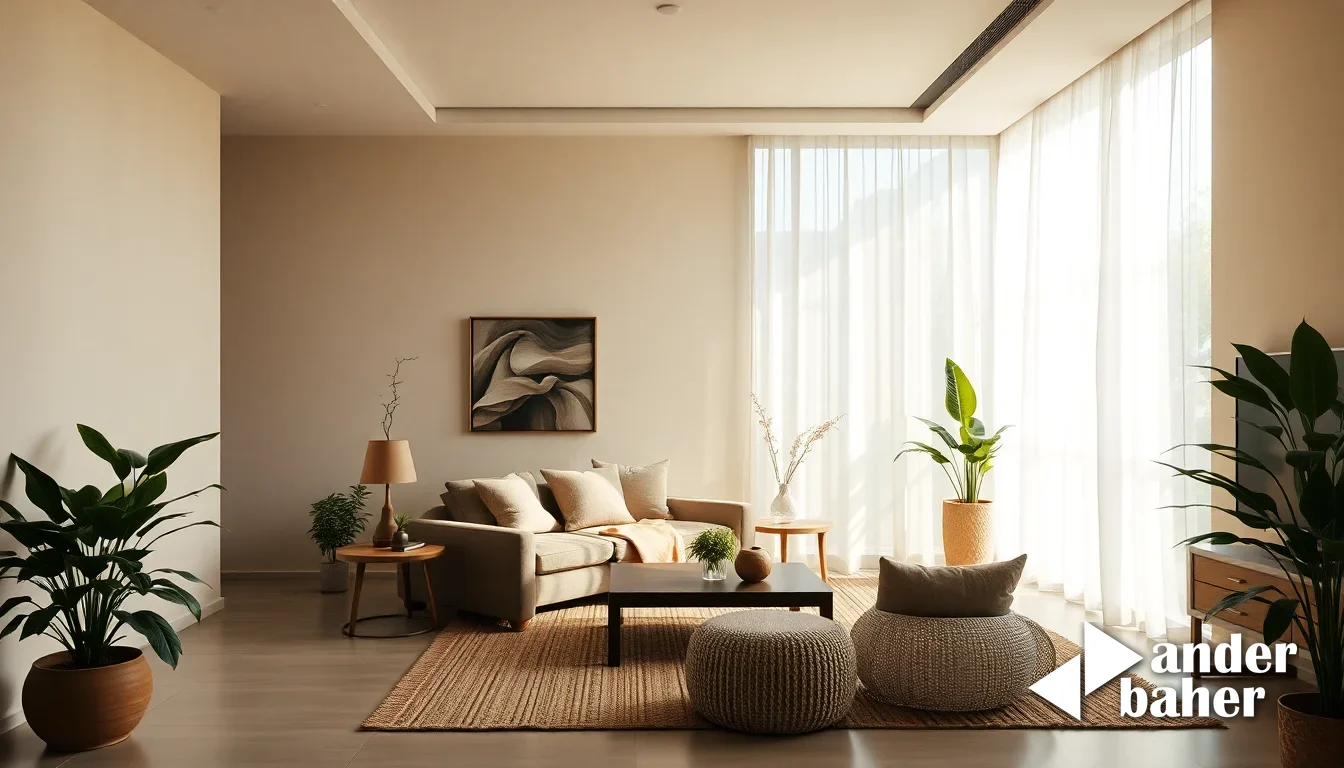
In an increasingly fast-paced and urbanized world, there's a growing movement to incorporate elements of the natural world into our built environments. This design philosophy, known as biophilic design, is gaining momentum for its ability to enhance well-being, boost productivity, improve air quality, and foster a deeper connection with nature. Let's explore the myriad advantages that biophilic designs offer, and why they are more than just a trend.
Enhancing Well-Being: Biophilic design strives to create spaces that promote overall well-being. Incorporating elements such as natural light, greenery, and natural materials can have a profound impact on our mental and emotional state. Studies have shown that exposure to nature, even in the built environment, can reduce stress, anxiety, and even symptoms of depression. This approach nurtures a sense of calm, reducing the feeling of being constantly rushed or overwhelmed.
Boosting Productivity: Modern life often demands high levels of productivity. Biophilic designs can play a significant role in improving our ability to concentrate and innovate. The presence of nature-inspired elements in workspaces can stimulate creativity and problem-solving. It can also reduce mental fatigue, leading to higher efficiency and output in the long run. Natural settings, even in an office or home, can help individuals feel more motivated and focused.
Improving Air Quality: Indoor air quality is a growing concern, given the amount of time people spend indoors. Biophilic designs often incorporate air-purifying plants and efficient ventilation systems that can substantially improve indoor air quality. Better air quality means a healthier environment, which is especially important for those with allergies, asthma, or other respiratory conditions.
Fostering a Connection with Nature: Our connection with nature is fundamental to our well-being. Biophilic designs bridge the gap between the urban world and the natural world. Incorporating features like natural materials, water elements, or even panoramic views of green spaces can evoke a sense of being in nature, even in the heart of a city. This connection can inspire people to appreciate and protect the environment, leading to more sustainable and ecologically responsible lifestyles.
Biophilic design is a holistic approach that integrates nature into the spaces where we live, work, and play. It recognizes our innate need to connect with the natural world and acknowledges the positive impact it can have on our lives. As this design philosophy gains popularity, more architects, designers, and individuals are embracing its principles, resulting in spaces that not only look beautiful but also promote our physical and mental well-being.
In a world where the hustle and bustle of modern life often distances us from the natural world, biophilic designs offer a way to reintroduce the tranquility and vitality of nature into our daily lives. By enhancing our well-being, boosting productivity, improving air quality, and fostering a connection with nature, biophilic designs are not just a trend; they represent a shift toward a more harmonious and balanced way of living in an increasingly urbanized world.
Facebook Twitter LinkedInStill need help?
Get in touch with us
Frequently asked
How does biophilic design actually reduce stress in a city apartment?
Exposure to natural elements—living plants, natural light, wood, and water features—triggers a measurable calming response in the nervous system. Even viewing greenery through a window or working beside air-purifying plants lowers cortisol levels and creates a psychological refuge from urban pace.
Which plants and materials work best for biophilic interiors in Indian homes?
Native species like money plants, snake plants, and bamboo thrive indoors with minimal fuss; pair them with teak, reclaimed wood, and stone to echo India's architectural heritage. Layer in natural textiles and avoid synthetic finishes to deepen the connection.
Can biophilic design improve productivity in a home office?
Yes—proximity to greenery and natural light reduces mental fatigue, sharpens focus, and unlocks creative problem-solving. A well-planted home office outperforms a sterile one in both concentration and output.
Ready to transform your space — inside or out?
Tell us a little about your home or office. We'll get back within one working day.
Book a consultation