
Magazine › Biophilic Design
Biophilic Design: Reconnecting with Nature in a Chaotic Urban World
Explore the world of biophilic design in our blog series, "Embracing Nature: The Art of Biophilic Designs." Dive into this innovative design philosophy, seamlessly integrating nature into our built environments with natural patterns and materials. Discover the benefits for well-being and the planet
By the Ander Baher Editorial Desk · 25 October 2023
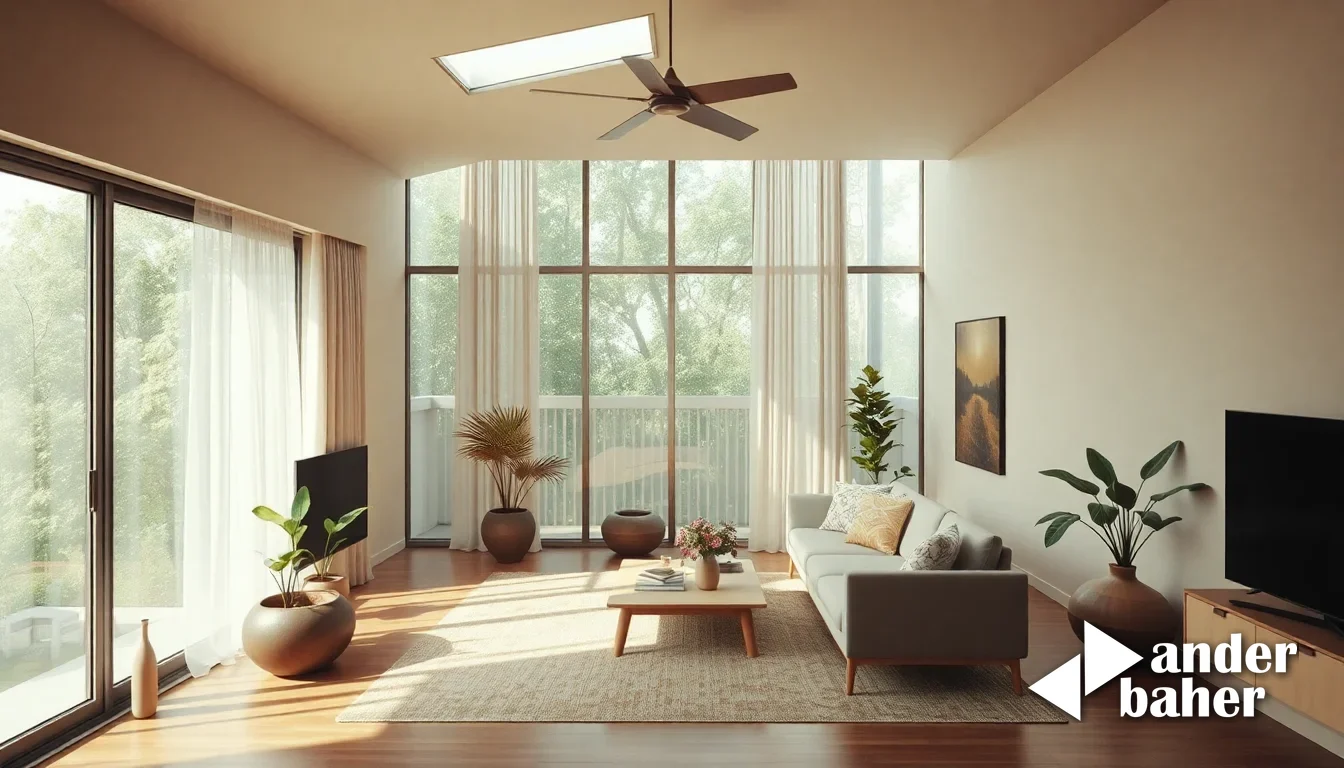
In a fast-paced world dominated by concrete jungles and steel structures, the need to reconnect with nature has never been more pressing. As we seek solace in the midst of our urban chaos, the concept of biophilic design emerges as a guiding light, leading us back to the embrace of the natural world.
The Essence of Biophilic Design
Biophilic design, at its heart, is a philosophy that acknowledges our innate connection to the environment. It seeks to bridge the gap between the built environment and the great outdoors, bringing elements of the natural world into our daily lives. This design approach is not merely about aesthetics; it is about enriching our well-being, promoting sustainability, and enhancing our quality of life.
Integrating Nature into Built Environments
At its core, biophilic design focuses on integrating nature into the spaces we inhabit, be it our homes, workplaces, or public areas. This integration is achieved through a delicate balance of natural elements, materials, and patterns. The aim is to create environments that evoke feelings of peace, rejuvenation, and inspiration.
Emphasizing Natural Patterns and Materials
One of the key principles of biophilic design is the incorporation of natural patterns and materials. By including elements such as wood, stone, and water, as well as organic shapes and textures, designers can replicate the soothing patterns and colors found in nature. These elements not only enhance the visual appeal of a space but also evoke a profound sense of harmony and tranquility.
The Biophilic Benefits
The advantages of biophilic design extend beyond aesthetics. Studies have shown that incorporating nature into our surroundings can have a profound impact on our physical and mental well-being. From reducing stress and anxiety to improving productivity and creativity, biophilic design enriches our lives in ways we may not even consciously perceive.
Sustainable and Responsible Design
Moreover, biophilic design champions sustainable practices. By using eco-friendly materials and creating spaces that are energy-efficient, biophilic designers contribute to the preservation of our planet. In an era when environmental consciousness is more vital than ever, this design approach aligns perfectly with our aspirations for a greener future.
The Human Connection
Perhaps the most remarkable aspect of biophilic design is its profound connection with the human experience. It taps into our primal need for nature, reminding us of our place in the world and our interconnectedness with all living things. In this way, biophilic design offers more than just an aesthetic transformation; it provides a genuine and deeply human connection to our surroundings.
As we embark on this journey into the world of biophilic design, we'll explore its various elements, applications, and the positive impact it can have on our lives. Stay tuned for our upcoming articles, where we'll delve deeper into the world of biophilic design and how it's shaping our future.
Facebook Twitter LinkedInStill need help?
Get in touch with us
Frequently asked
What exactly is biophilic design, and how does it differ from simply adding plants to a room?
Biophilic design is a philosophy that bridges the built environment and nature through intentional integration of natural patterns, materials, and elements—wood, stone, water, organic shapes—rather than superficial decoration. It aims to evoke genuine harmony and tranquility while enhancing physical and mental well-being.
Can biophilic design principles work in a compact urban apartment?
Absolutely. Biophilic design thrives in constrained spaces through careful selection of natural materials, strategic use of light, and organic textures. Even modest interventions—a stone feature wall, natural wood joinery, or water elements—can transform an urban apartment into a restorative sanctuary.
Is biophilic design sustainable, or is it greenwashing?
Genuine biophilic design champions eco-friendly materials and energy-efficient spatial planning, aligning aesthetic intention with environmental responsibility. When executed thoughtfully, it reduces stress while minimizing ecological footprint.
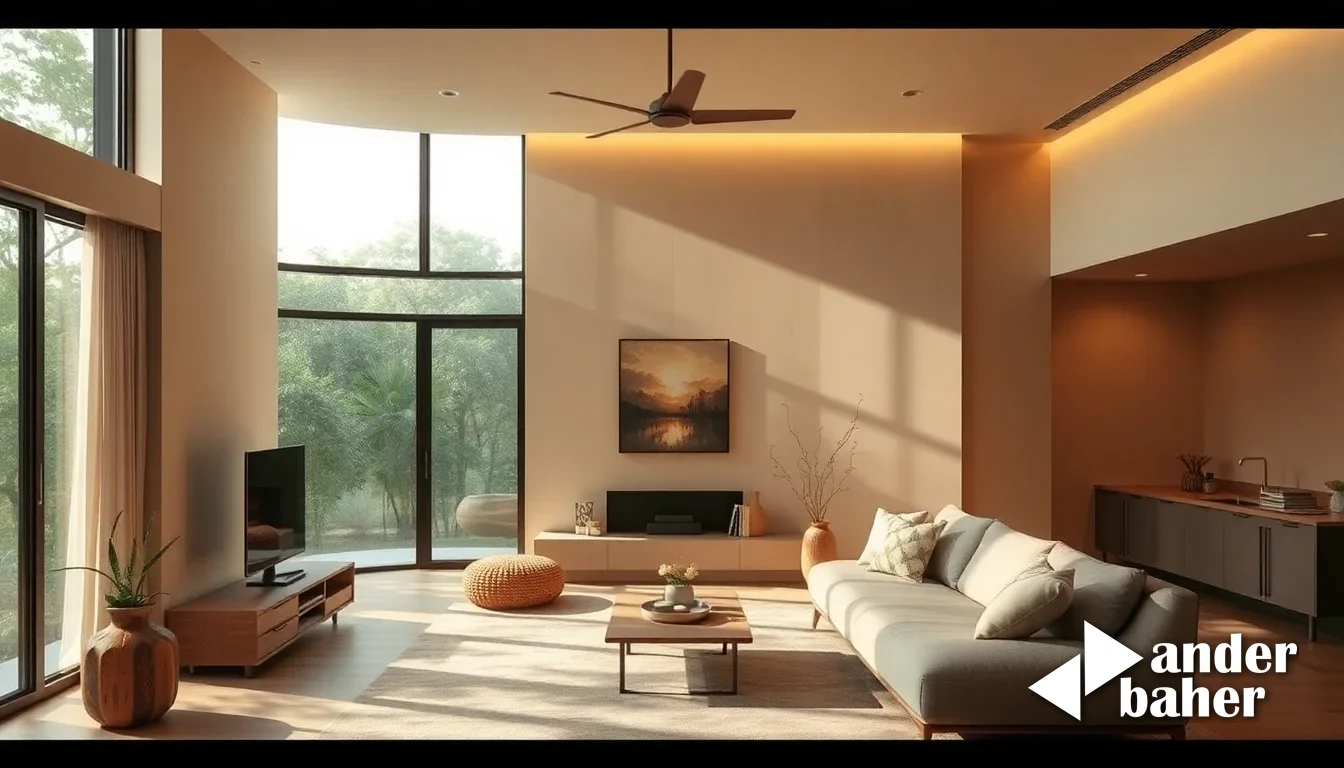
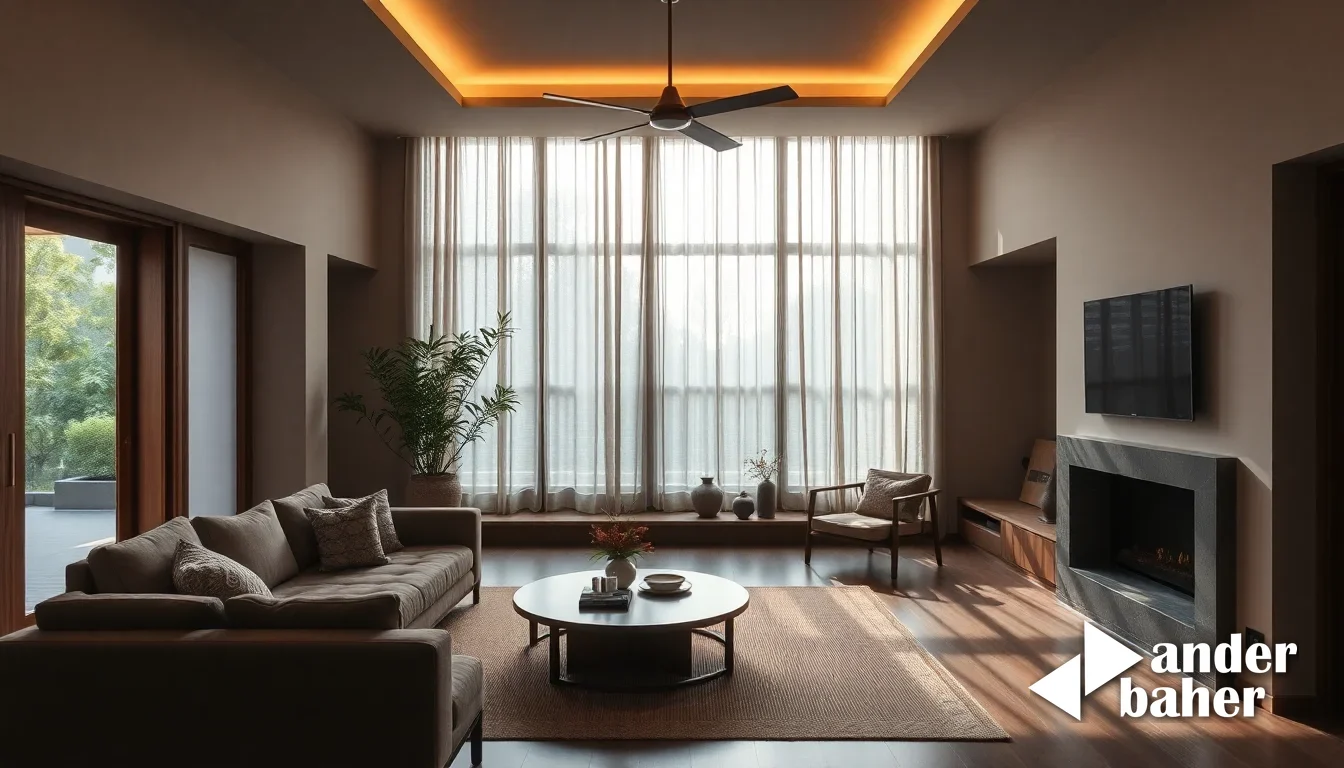
Ready to transform your space — inside or out?
Tell us a little about your home or office. We'll get back within one working day.
Book a consultation