
Magazine › Biophilic Design
Biophilic Design in Historic Spaces: Enhancing Heritage with Nature
Uncover the transformative approach of blending historic preservation with biophilic design, creating spaces that celebrate heritage and embrace nature's vitality for enhanced well-being and sustainability.
By the Ander Baher Editorial Desk · 4 March 2024
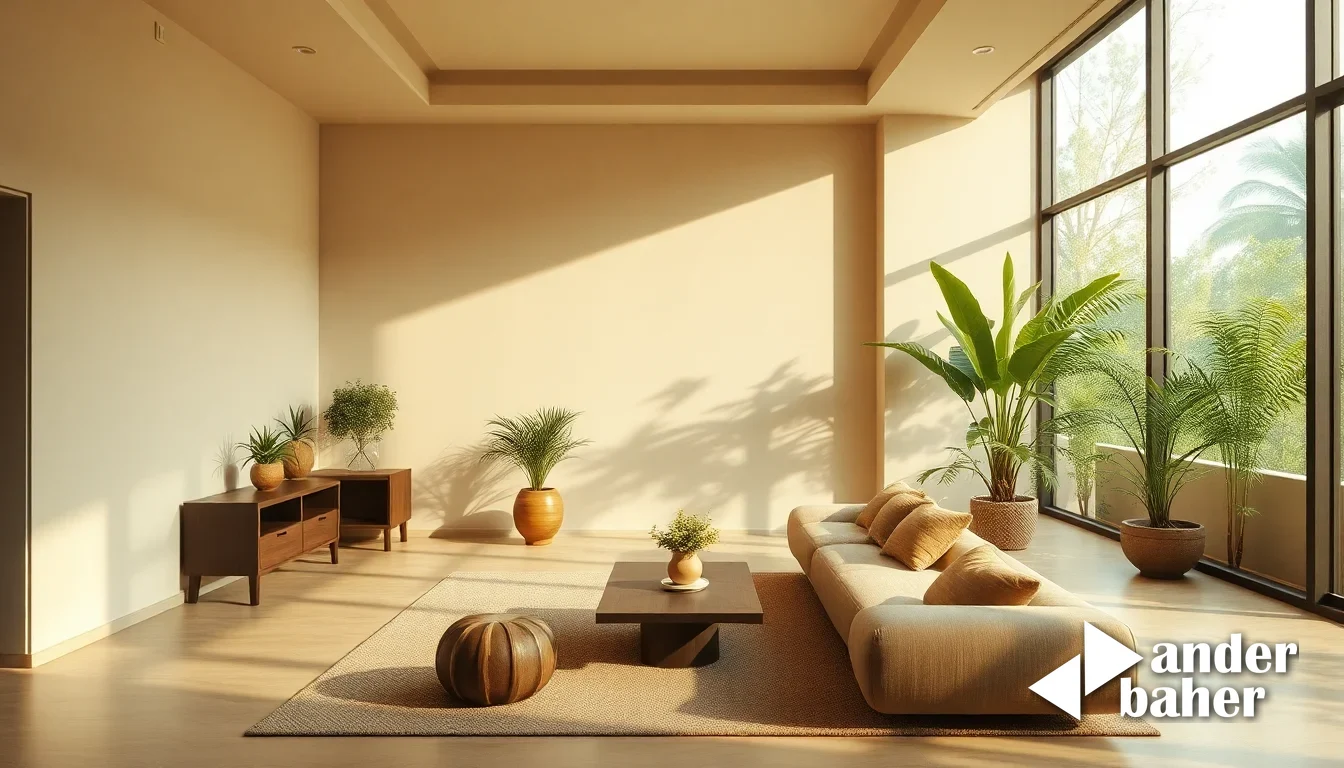
In the realm of architecture and interior design, the convergence of historic preservation and biophilic design represents a transformative approach to revitalizing and repurposing old structures. This fusion not only respects and maintains the integrity of historical buildings but also introduces elements that connect occupants with nature, enhancing well-being and sustainability. Let's delve into how these two seemingly distinct disciplines are harmoniously intertwined, creating spaces that honor the past while embracing the future.
Reimagining Heritage: A Breath of Fresh Air
Preservation with Purpose: Historic preservation is not merely about maintaining buildings for their aesthetic value; it's about preserving stories, cultures, and memories. By incorporating biophilic design, these spaces are given new life, ensuring they remain relevant and functional in the modern world.
Biophilic Elements in Historical Contexts: Introducing natural light, plant life, water features, and natural materials into historic buildings can be challenging, yet when done thoughtfully, it enhances the building's original beauty and significance. For example, a courtyard within an ancient structure can be transformed into a lush garden, or a rooftop of a historic building can host a green roof, seamlessly blending history with nature.
Case Studies: Where Old Meets New
The High Line, New York City: Originally a rail line, now a public park, The High Line is a prime example of repurposing historical infrastructure into a green space that provides a unique, natural escape amidst the urban jungle.
Palazzo Italia, Milan: This building stands out for its innovative use of biodynamic concrete that purifies the air. Its design incorporates trees and plants within the structure, marrying historical architectural elements with nature.
The Benefits Unfold
Enhanced Well-being and Productivity: Spaces that combine historical preservation with biophilic design contribute to the physical and psychological well-being of their occupants, making these places not just visually appealing but also health-promoting.
Sustainability: This approach promotes the sustainable use of resources by preserving existing structures and integrating natural elements, reducing the need for new materials and encouraging eco-friendly practices.
Cultural and Environmental Education: These spaces serve as living museums, educating the public about the importance of historical preservation and environmental sustainability.
Overcoming Challenges
Integrating biophilic design into historic preservation comes with its set of challenges, including regulatory restrictions and the need for sensitive interventions. However, with innovative thinking and respectful design practices, it's possible to overcome these hurdles, creating spaces that respect the past while looking forward to the future.
In Conclusion
The intersection of historic preservation and biophilic design offers a promising path towards creating spaces that are not only rich in history and culture but also in harmony with the natural world. This symbiotic relationship encourages a deeper connection with our heritage and environment, fostering spaces that promote well-being, sustainability, and a sense of belonging.
Facebook Twitter LinkedInStill need help?
Get in touch with us
Frequently asked
How can biophilic design enhance a historic property without compromising its heritage value?
Thoughtful interventions—such as introducing natural light through existing openings, repurposing courtyards as gardens, or installing living walls on secondary facades—honor original architecture while connecting occupants with nature. The key is respecting the building's structural and aesthetic integrity.
What are the main challenges in merging historic preservation with biophilic design?
Regulatory restrictions, structural limitations, and the need for sensitive, reversible interventions are common hurdles. Working with specialists who understand both heritage conservation and ecological design ensures solutions that respect the past while embracing natural elements.
Can rooftops and courtyards in old buildings support biophilic features?
Yes. Historic courtyards can be transformed into lush gardens, and rooftops are ideal for green installations, provided load-bearing capacity is assessed. These spaces provide natural escapes while remaining visually integrated with the building's original character.
Ready to transform your space — inside or out?
Tell us a little about your home or office. We'll get back within one working day.
Book a consultation