
Magazine › Biophilic Design
Biophilic Design in Digital Workspaces: Enhancing Well-Being and Productivity
Explore the innovative approach of biophilic design in digital workspaces, where natural elements are seamlessly integrated into digital environments to enhance well-being, creativity, and productivity.
By the Ander Baher Editorial Desk · 6 March 2024
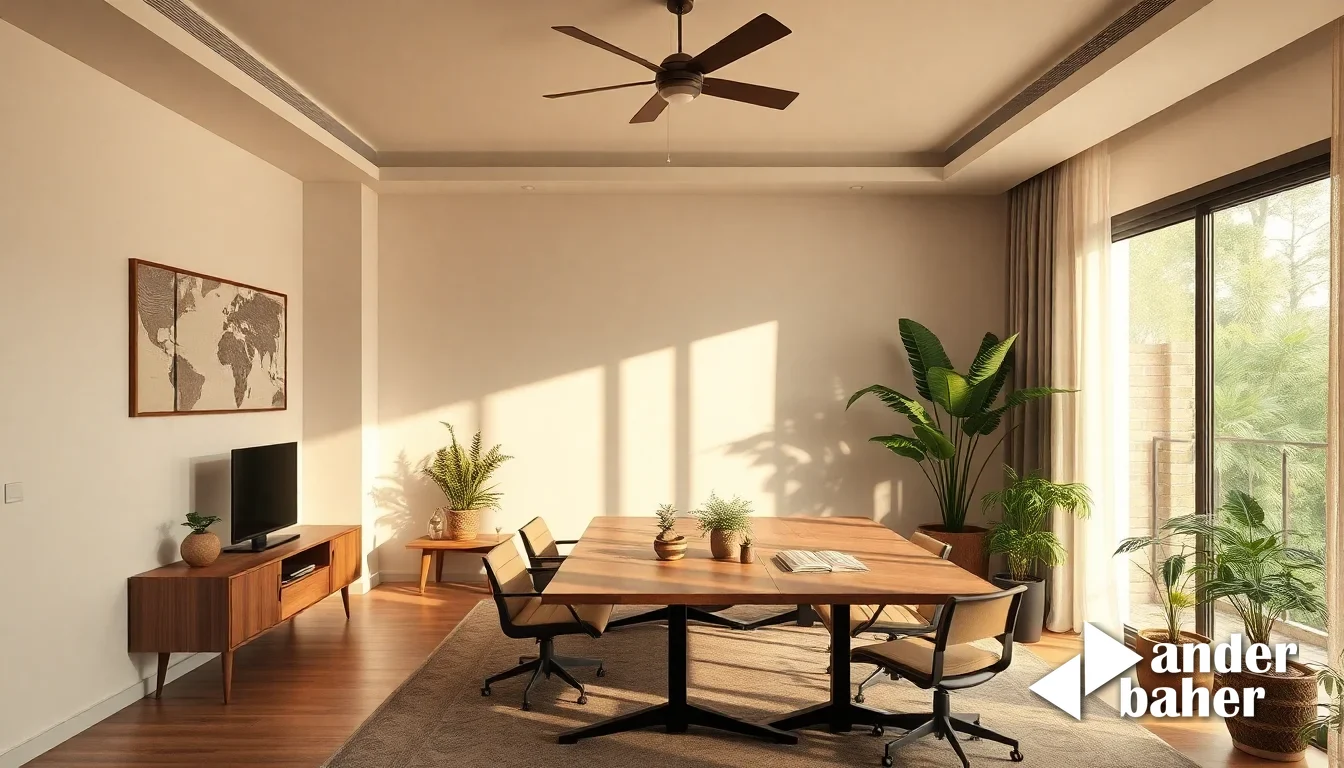
In the era of digital transformation, the concept of biophilic design — integrating natural elements into the built environment — is extending into digital workspaces. This innovative approach seeks to imbue digital environments with qualities that reflect the natural world, enhancing well-being, creativity, and productivity for individuals working remotely or in digitally dominated spaces. Let's explore how biophilic design principles are being adapted for the digital realm and the impact they have on our virtual work environments.
Understanding Biophilic Design in Digital Contexts
Biophilic design in digital workspaces involves the incorporation of natural imagery, sounds, and dynamics into software interfaces, virtual reality (VR) environments, and web design. It's about creating a more humane, nature-inspired digital experience that promotes psychological well-being and connectivity to the natural world, even in entirely artificial environments.
Key Elements of Biophilic Design in Digital Workspaces
Natural Imagery: Use of high-quality, dynamic nature scenes as backgrounds in video calls, desktop wallpapers, and user interfaces to simulate a natural environment.
Organic Patterns and Textures: Incorporation of nature-inspired shapes, patterns, and textures into digital design elements to evoke a sense of the outdoors.
Dynamic Lighting: Adapting the color temperature and brightness of screens based on the time of day to mimic natural light cycles, reducing eye strain and enhancing circadian rhythms.
Natural Sounds: Integration of nature sounds (e.g., birdsong, water flowing) into digital work environments as background audio to reduce stress and improve concentration.
Virtual Reality Nature Spaces: Development of VR workspaces that simulate being outdoors or in nature, offering an immersive break from traditional screen-based work.
Benefits of Integrating Biophilic Design into Digital Workspaces
Enhanced Well-being: Exposure to nature, even digitally, can reduce stress, improve mood, and enhance cognitive function.
Increased Productivity: Natural elements can rejuvenate mental energy, leading to higher productivity and creativity in work tasks.
Improved Focus: Nature sounds and visuals can help minimize distractions, fostering deeper concentration and focus.
Support for Remote Work: For remote workers, biophilic digital workspaces can make the home office feel more connected to the outside world, reducing feelings of isolation.
Implementing Biophilic Design in Digital Spaces
Adopting biophilic design in digital workspaces requires thoughtful integration of natural elements into the digital design process. This might involve collaborating with psychologists, designers, and environmental experts to create authentic, nature-inspired digital environments. Technology platforms and software developers play a crucial role in crafting these experiences, ensuring they are accessible across different devices and work scenarios.
The Future of Biophilic Digital Workspaces
As we continue to navigate the balance between digital and physical work environments, biophilic design principles offer a pathway to more sustainable, health-oriented digital spaces. Future developments may include more advanced VR nature simulations, AI-driven adaptive environments, and interactive digital landscapes that respond to user input in real-time, further blurring the lines between the natural world and our digital habitats.
In conclusion, biophilic design in digital workspaces represents a convergence of technology, nature, and human well-being, offering a new dimension to how we interact with our digital environments. By bringing the principles of nature into the digital realm, we can create spaces that support health, productivity, and a deeper connection to the natural world, even as we work within the confines of the digital age.
Facebook Twitter LinkedInStill need help?
Get in touch with us
Frequently asked
How does biophilic design in digital workspaces improve remote work productivity?
Natural imagery, organic patterns, and nature sounds integrated into digital environments reduce cognitive fatigue and stress, allowing remote workers to sustain focus and creativity throughout the day while maintaining a psychological connection to the outside world.
What are the practical ways to implement biophilic design elements in my home office setup?
Begin with dynamic nature wallpapers and adaptive screen lighting that mimics natural circadian rhythms, layer in ambient nature sounds during work sessions, and consider nature-inspired colour palettes and textures in your digital interface settings.
Can biophilic digital design genuinely reduce stress for remote workers?
Yes — exposure to nature, even digitally rendered, demonstrably lowers cortisol levels and enhances mood through visual and auditory cues that trigger the parasympathetic nervous system, particularly valuable for those isolated from natural environments.
Ready to transform your space — inside or out?
Tell us a little about your home or office. We'll get back within one working day.
Book a consultation