
Magazine › Biophilic Design
Biophilic Design for Air Quality: Transforming Indoor Spaces Naturally
Discover the transformative power of biophilic design in improving indoor air quality through the integration of plant life, creating healthier and more vibrant living environments.
By the Ander Baher Editorial Desk · 12 March 2024
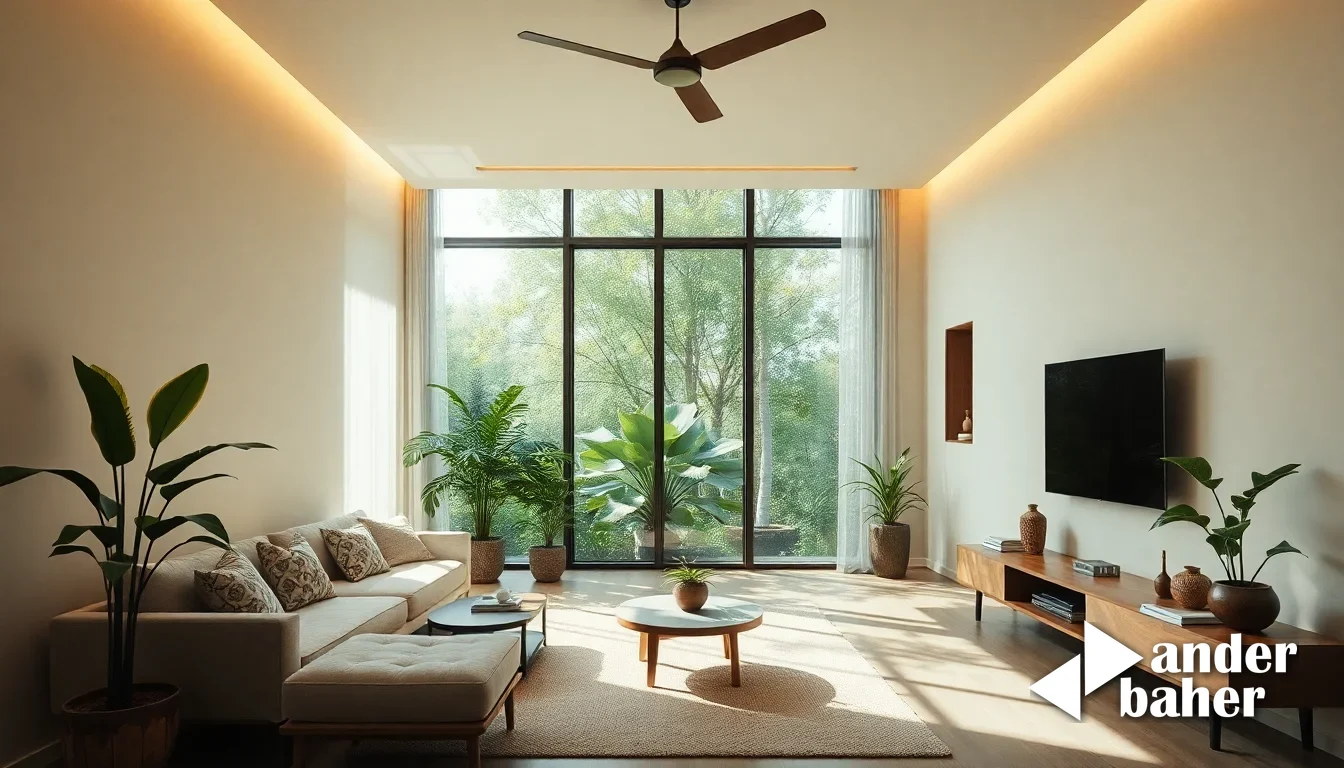
In the quest for healthier living environments, the purity of indoor air emerges as a critical factor influencing well-being and comfort. As we spend a considerable amount of our lives indoors, the quality of the air we breathe is paramount. Enter the realm of biophilic design—a concept that intertwines the presence of plant life with architectural practices to foster a healthier indoor atmosphere. This article delves into how incorporating plant life into our homes and workplaces can significantly enhance indoor air quality, offering natural, effective solutions for a greener, cleaner living space.
The Significance of Indoor Air Quality
Indoor air quality (IAQ) refers to the air quality within and around buildings and structures, especially as it relates to the health and comfort of building occupants. Understanding and controlling common pollutants indoors can help reduce the risk of indoor health concerns. This section explores the importance of IAQ and its impact on human health, highlighting the need for sustainable solutions.
- Health Impacts: Poor IAQ has been linked to a variety of health issues, including respiratory problems, headaches, and fatigue.
- Productivity and Comfort: High-quality indoor air contributes to greater productivity, enhanced focus, and overall comfort.
Biophilic Design: Harnessing the Power of Plants
Biophilic design principles advocate for a closer connection between nature and the built environment, positing that integrating plant life into interior spaces can improve IAQ and well-being. This section discusses the mechanics of how plants contribute to cleaner air and the types of plants most effective for this purpose.
- Natural Air Purifiers: Plants absorb pollutants and carbon dioxide, releasing oxygen back into the air through the process of photosynthesis.
- Humidity Regulation: Through transpiration, plants release moisture vapor, which helps maintain optimal indoor humidity levels.
Best Plants for Improving Indoor Air Quality
While many plants can contribute to better indoor air, some are particularly effective at purifying the air. This part of the article introduces a selection of plants known for their air-cleaning abilities, as suggested by studies such as NASA’s Clean Air Study.
- Spider Plant (Chlorophytum comosum): Known for its ability to remove formaldehyde and xylene from the air.
- Snake Plant (Sansevieria trifasciata): Excelling in filtering out formaldehyde, it releases oxygen at night, making it ideal for bedrooms.
- Peace Lily (Spathiphyllum wallisii): Effective at removing ammonia, benzene, formaldehyde, and trichloroethylene.
Implementing Biophilic Solutions in Indoor Spaces
Integrating plant life into indoor spaces goes beyond placing a few potted plants around a room. This section offers practical advice on how to effectively incorporate biophilic solutions for the maximum improvement of indoor air quality.
- Strategic Placement: Position plants in areas where they can absorb pollutants effectively, such as near electronics or in the kitchen.
- Diverse Plant Selection: Utilize a variety of plants to target different pollutants and enhance aesthetic appeal.
- Green Walls and Indoor Gardens: Consider more extensive installations like green walls or indoor gardens for larger spaces.
Addressing FAQs on Plants and Indoor Air Quality
Q: Can plants really improve indoor air quality? A: Yes, numerous studies have shown that plants can remove toxins from the air, contributing to better indoor air quality.
Q: How many plants are needed to purify the air in a room? A: While there's no definitive answer, a general guideline is to have at least one plant per 100 square feet of space for effective air purification.
Q: Do all indoor plants improve air quality? A: While most plants have some level of air-purifying ability, certain species are more effective at removing specific pollutants.
In Summary
The integration of plant life into indoor spaces through biophilic design offers a natural and effective way to enhance indoor air quality, promoting health, well-being, and a deeper connection with nature. By embracing the principles of biophilic design and incorporating strategic plant choices, individuals can transform their living and working environments into healthier, more vibrant spaces. As we continue to explore the synergy between nature and the built environment, the role of plants in purifying indoor air stands as a testament to the power of biophilic solutions in creating sustainable, life-enhancing interiors.
Facebook Twitter LinkedInStill need help?
Get in touch with us
Frequently asked
How many air-purifying plants do I need to meaningfully improve indoor air quality in my home?
A thoughtful guideline: one mature plant per 100 square feet of space. The effect compounds with diverse species targeting different pollutants—consider this as layering, rather than a prescriptive formula.
Which plants are best for bedrooms, where air quality matters most at night?
Snake plants excel here; they release oxygen during evening hours and tolerate low light. Pair with a peace lily for broader toxin removal, and you've created a quietly effective air-filtering ecosystem.
Can biophilic design solve indoor air quality issues on its own, or does it require other systems?
Plants work best as part of a layered approach—complement them with ventilation, humidity control, and strategic material choices. They're powerful, but not a replacement for comprehensive design thinking.


Ready to transform your space — inside or out?
Tell us a little about your home or office. We'll get back within one working day.
Book a consultation