
Magazine › Biophilic Design
Biophilic Architecture for Health: Creating Inclusive and Natural Spaces
Discover how biophilic architecture bridges the gap between nature and the built environment, creating inclusive spaces that cater to the well-being of every individual.
By the Ander Baher Editorial Desk · 7 March 2024
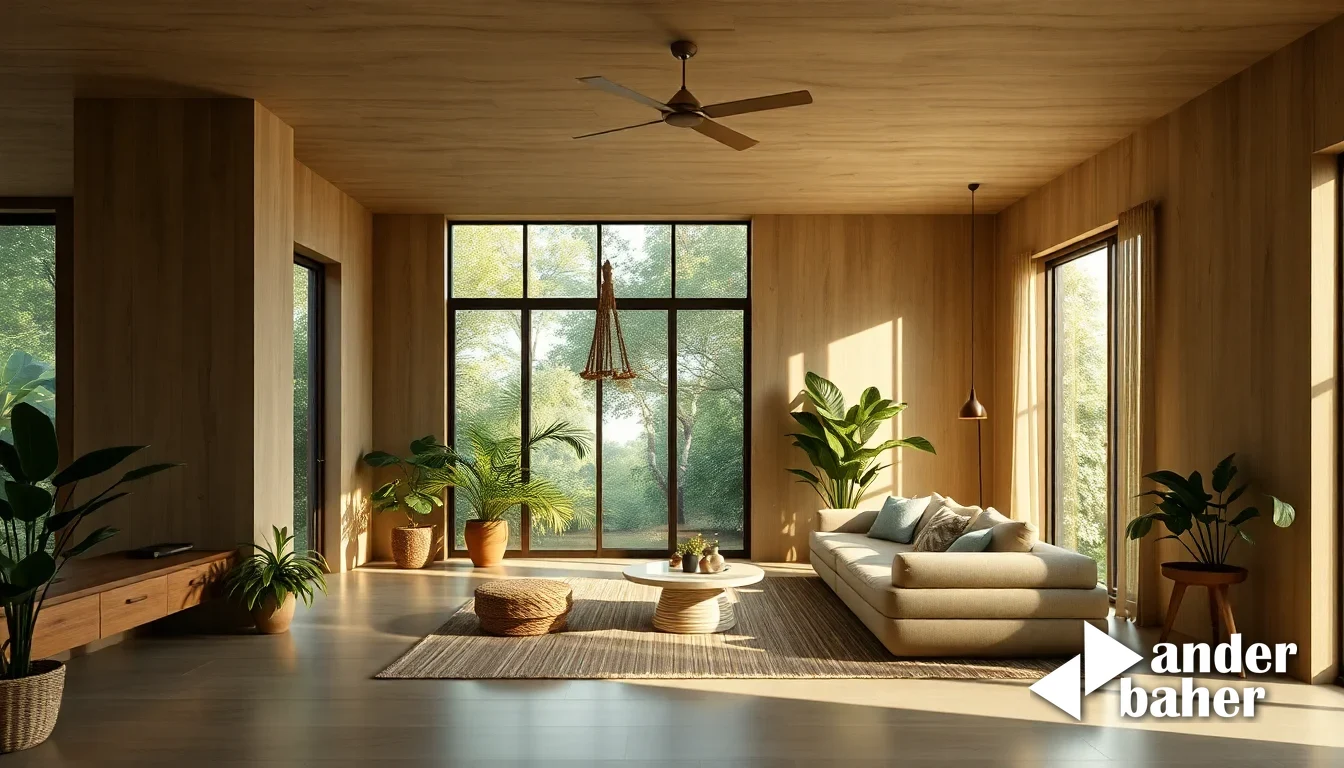
In the bustling world we inhabit, the line between nature and the built environment often blurs, leading to a disconnect from the natural world. Yet, a movement is on the rise, aiming to stitch this gap and enrich our lives through the built spaces we occupy daily. This movement is none other than biophilic architecture, a design philosophy that integrates natural elements into architectural practices, promoting health, well-being, and inclusivity. But what makes biophilic architecture not just a trend but a necessity for inclusive design?
Why Biophilic Architecture?
Biophilic design is more than just a buzzword; it's a critical approach to architecture that seeks to connect people with nature within their living and working spaces. Studies show that integrating natural elements like plant life, natural lighting, and materials can significantly impact mental and physical health, reducing stress, enhancing creativity, and improving air quality. For everyone, from young children in educational settings to adults in the workplace, and especially for individuals with disabilities, biophilic design offers an environment that is not only aesthetically pleasing but also supportive of overall well-being.
- Mental Health Benefits: Incorporating natural elements into built environments has been linked to reductions in stress, anxiety, and depression.
- Physical Health Advantages: Exposure to nature and natural materials can boost immune systems, increase energy levels, and improve air quality.
- Inclusivity and Accessibility: Biophilic design principles prioritize inclusive environments that cater to the diverse needs of all individuals, including those with disabilities.
Examples of Biophilic Architecture
From towering skyscrapers with vertical gardens to educational institutions that boast open, plant-filled spaces, examples of biophilic architecture abound worldwide. These projects not only showcase the integration of natural elements into design but also how such environments can be accessible and enjoyable for everyone. Notable examples include:
- The Eden Project in the UK: A series of massive biomes housing plants from around the world, offering an immersive experience in nature while being fully accessible to people with disabilities.
- Bosco Verticale in Milan: Residential towers that incorporate more than 900 trees on its balconies, creating a "vertical forest" that combats air pollution while offering stunning natural vistas to its inhabitants.
Designing for Inclusivity with Biophilic Principles
Incorporating biophilic design into architecture goes beyond just adding plants or maximizing natural light; it's about creating spaces that are inherently inclusive and accessible to all. This includes:
- Sensory Engagement: Designing spaces that stimulate all senses with natural sounds, textures, and scents, catering to individuals with different sensory needs.
- Universal Design: Ensuring that natural spaces within buildings are accessible to everyone, including those with physical disabilities, through ramps, tactile paths, and other inclusive design features.
- Community and Connection: Fostering spaces that encourage social interaction and connection to the community, which is vital for mental health and well-being.
FAQs on Biophilic Architecture
Q: How does biophilic design benefit mental health?
A: By bringing elements of nature into built environments, biophilic design can significantly reduce stress and enhance mood, fostering mental well-being.
Q: Can biophilic design be applied in urban settings?
A: Absolutely. Biophilic architecture can transform even the densest urban environments by integrating green roofs, living walls, and urban parks, making nature accessible to city dwellers.
Q: Is biophilic design more expensive than traditional architecture?
A: While initial costs may be higher, the long-term benefits, including reduced energy costs, improved health outcomes, and enhanced worker productivity, often offset these initial investments.
In Summary
Biophilic architecture is not just an aesthetic choice; it's a comprehensive approach to design that promotes health, well-being, and inclusivity. By bridging the gap between the built environment and the natural world, biophilic design principles create spaces that are not only beautiful and sustainable but also accessible and welcoming to everyone. As we move forward, the incorporation of biophilic elements in architecture will play a crucial role in shaping inclusive, healthy, and harmonious environments for future generations.
Facebook Twitter LinkedInStill need help?
Get in touch with us
Frequently asked
How does biophilic design benefit mental health in residential spaces?
By integrating natural elements—plants, daylight, and organic materials—biophilic design significantly reduces stress and anxiety while enhancing mood and cognitive clarity, creating homes that actively support well-being.
Can biophilic architecture be adapted for apartments in dense urban areas like Bengaluru or Mumbai?
Yes. Living walls, green balconies, natural materials, and strategic daylighting can transform compact urban homes into restorative spaces that connect residents to nature without requiring expansive land.
What makes biophilic design truly inclusive for people with different abilities?
Inclusive biophilic spaces employ universal design principles—tactile paths, accessible gardens, sensory variety in textures and scents—ensuring that natural elements benefit all inhabitants, regardless of physical or sensory differences.
Ready to transform your space — inside or out?
Tell us a little about your home or office. We'll get back within one working day.
Book a consultation