
Magazine › Architecture
Bengaluru's Architects Redefining How We Live
From adaptive heritage conversions to climate-conscious modern homes, these architects are shaping a new vocabulary for Bengaluru living.
By the Ander Baher Editorial Desk · 31 July 2026
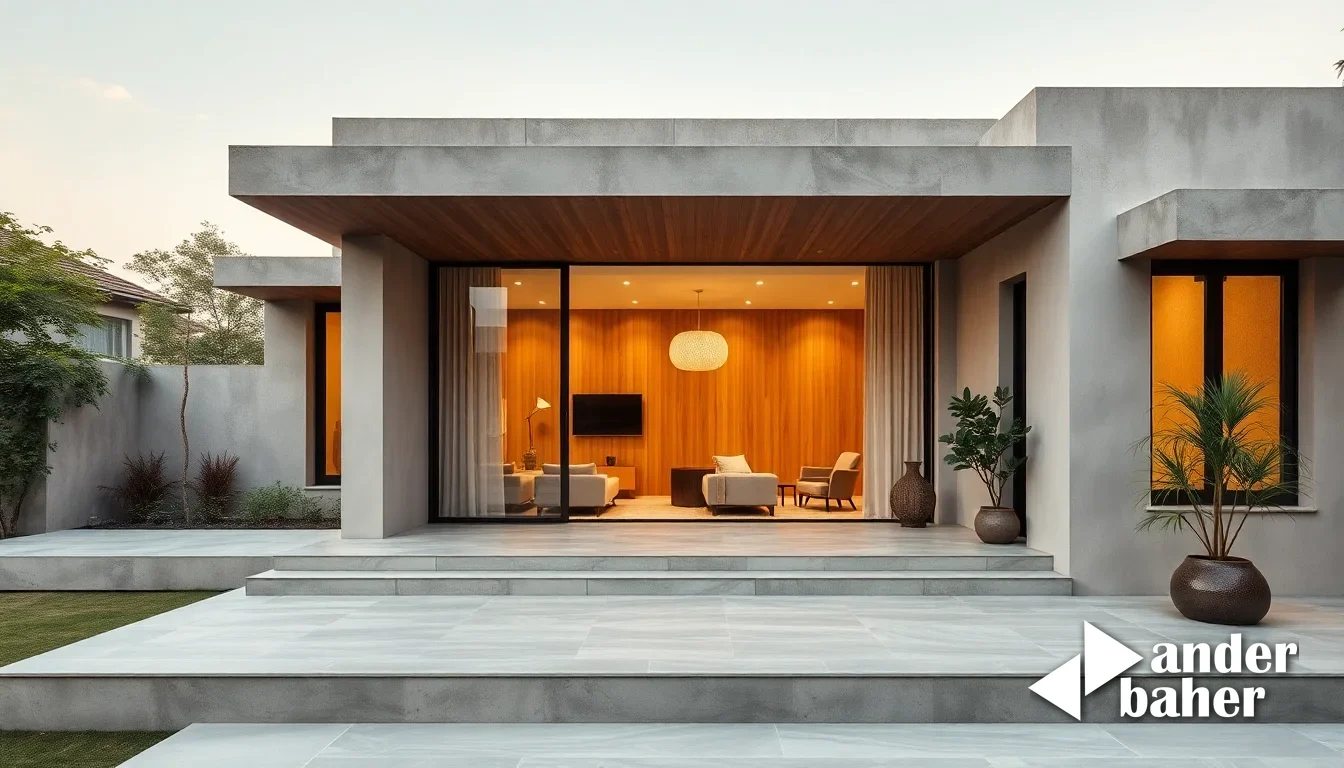
Bengaluru's architectural landscape has undergone a quiet transformation over the past decade. As the city sprawls outward and inward, a generation of thoughtful architects has begun questioning the glass towers and gated communities that once defined progress. Instead, they're asking harder questions: How do we build for a tropical climate? What does home mean in a migration-heavy city? How do we preserve memory while moving forward?
Architects Who Listen to Place
The strongest voices emerging from Bengaluru's design community share something fundamental: they begin with context. Ar. Neeraj Bhat of Neeraj Bhat Design has become known for residential projects that sit lightly on their sites—homes where deep eaves manage the harsh afternoon sun, and circulation patterns acknowledge the city's sudden monsoons. His work refuses the cookie-cutter approach. Instead, each project responds to the specific geometry of its plot, the orientation of light, the character of its neighbourhood.
Similarly, Studio Lotus has earned recognition for converting underused industrial spaces and heritage structures into livable, breathable homes. Their work in Indiranagar—transforming a 1970s factory into a design studio and residence—became a quietly influential project, proving that Bengaluru's older bones deserved respect, not demolition.
Ander Baher: Merging Landscape and Interior
Ander Baher, the design practice founded by architects deeply embedded in Bengaluru's design ecology, has distinguished itself by refusing to separate architecture from its landscape. Their residential projects treat the garden and the interior as a continuous narrative. A home they designed in Koramangala flows from an interior courtyard into a planted threshold, then into living spaces—the boundaries deliberately blurred. This approach feels particularly relevant in a city where outdoor space is increasingly precious, and where the desire to reconnect with green has become almost urgent. Their philosophy hinges on this belief: your home should breathe. Not metaphorically, but climatically and spatially.
The Sustainability Question
Sameep Padora and his studio have pushed conversations around material honesty and environmental responsibility further than most. His residential work often features locally-sourced materials, passive cooling strategies, and a refusal of unnecessary ornament. There's an almost ascetic quality to his interiors—but this restraint creates space for living, for light, for stillness.
What unites these practitioners—Bhat, Studio Lotus, Ander Baher, Padora—is a shared impatience with mediocrity and a commitment to specificity. They design for Bengaluru's particular ecology, climate, and character. They understand that a home built in this city must work with its rains, its heat, its dust. They recognise that Bengaluru's residents are often newcomers, and that architecture can help root them into their adopted city.
The next time you walk through a thoughtfully designed Bengaluru home, notice what's not there—the unnecessary flourish, the disconnected rooms, the interior that turns its back on the garden. Notice instead the generosity of shade, the quality of light, the way materials age honestly. That restraint, that listening, that's the signature of Bengaluru's finest architects at work.
Frequently asked
What makes contemporary Bengaluru residential architecture different from conventional design?
Today's leading Bengaluru architects prioritize climate-responsive design, tropical materiality, and continuity between interior and landscape—rejecting generic glass-tower aesthetics in favour of specificity to place, light, and seasonal rhythm.
How do architects in Bengaluru address the city's monsoon and heat challenges?
Through strategies like deep eaves for sun management, thoughtful circulation patterns that acknowledge rainfall patterns, passive cooling, and locally-sourced materials that age honestly rather than fight the climate.
Why is the integration of gardens and outdoor space central to Bengaluru home design?
In a migration-heavy city where outdoor space grows scarce, architects now treat the garden and interior as a continuous narrative—helping residents reconnect with green while creating climatic breathing room within the home.
Ready to transform your space — inside or out?
Tell us a little about your home or office. We'll get back within one working day.
Book a consultation