
Magazine › Materials
When Bamboo Speaks: Building with India's Most Honest Material
Bamboo is shedding its humble reputation. In Indian homes, designers are discovering it as a structural language—honest, sculptural, and quietly revolutionary.
By the Ander Baher Editorial Desk · 8 October 2026
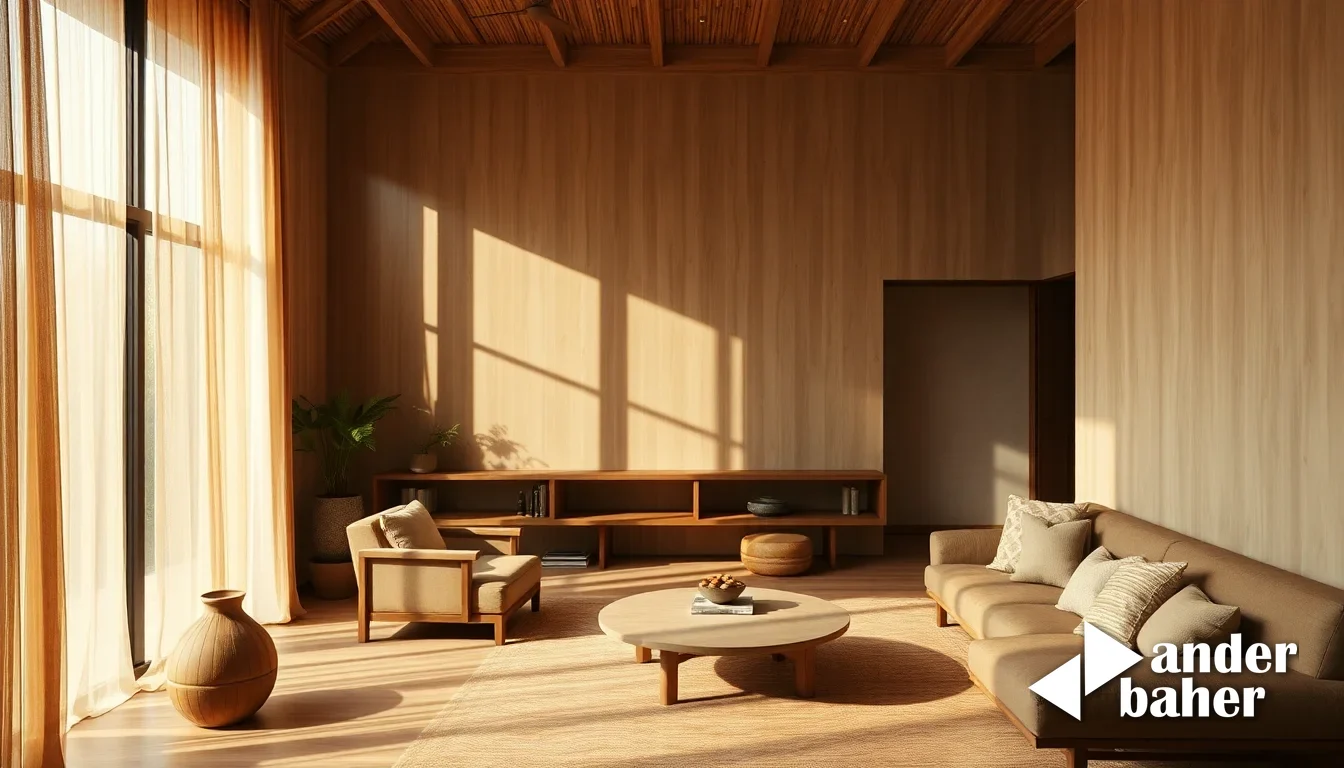
Walk into a thoughtfully designed Mumbai loft or a Bangalore home built by a discerning architect, and you might encounter bamboo in a way that stops you. Not as screening, not as a decorative accent, but as the primary language of a room—a structural element that carries weight, intention, and presence. This shift marks something significant in how Indian interiors are maturing: bamboo is being recognized not as a budget alternative, but as a material with its own architectural authority.
For decades, bamboo occupied a particular place in the Indian design vernacular. It appeared in traditional Kerala homes, in rural construction, in garden structures and temporary pavilions. It was practical, it was accessible, and it was—let us be honest—often overlooked by design circles that favored imported materials and harder finishes. But something has changed. Designers are now approaching bamboo the way they might approach stone or timber: as a medium with inherent beauty, structural logic, and the capacity to define space at a fundamental level.
The Grammar of Growth
What makes bamboo compelling as a serious construction material is its paradox. It grows abundantly across India's diverse climate zones—from the Western Ghats to the Northeast—yet its structural properties have been underestimated for too long. The material possesses a natural geometry: the segmented culm, the tapering form, the inherent strength-to-weight ratio. When a designer works with these qualities rather than against them, bamboo becomes sculptural almost by necessity.
Consider how this translates to the Indian home. A partition wall in bamboo doesn't simply divide space; it creates rhythm through its vertical or diagonal members. A shelving system acknowledges the material's flexibility and segmentation. A ceiling structure respects bamboo's natural taper. These are not decorative gestures. They are design decisions rooted in material honesty—a principle that has deep roots in Indian craftsmanship traditions.
A Language for Contemporary Living
The resurgence of bamboo in contemporary Indian interiors speaks to something broader: a hunger for materials that age gracefully, that can be sourced responsibly, and that carry cultural continuity without feeling nostalgic. In a Mumbai apartment or a Bangalore villa, bamboo structures create visual warmth that often feels more genuine than the cool precision of steel or glass alone.
More importantly, working with bamboo requires a different relationship with the craft. Fabricators, carpenters, and designers must engage more closely with the material's properties—its nodes, its variations, its natural movement. This deepens the conversation between design intention and making, creating interiors that feel inhabited from the moment they are completed.
The shift toward bamboo as a serious structural material reflects a larger maturation in Indian design culture: the recognition that our best materials are not always imported, that sustainability and sophistication are not contradictory, and that honest construction—rooted in our own geography and craft traditions—can speak as eloquently as any contemporary material language. In this light, bamboo is not a trend. It is a conversation we should have been having all along.
Sources & further reading
- Dezeen — Sculptural music centre shows bamboo as "a serious construction material" ↗
- ArchDaily — Building and Unbuilding: An Approach to Circular Timber Construction Addressing Material Waste ↗
- Colossal — Hannah Lim Draws on Her British-Singaporean Heritage in Sculptural Snuff Bottles ↗
- Dezeen — Former Zaha Hadid headquarters to open as public arts venue in London ↗
An original Ander Baher perspective, informed by the coverage above.
Frequently asked
Is bamboo structurally sound for interior walls and ceiling systems in premium homes?
Absolutely. Bamboo possesses a superior strength-to-weight ratio and natural geometric properties that make it as architecturally valid as timber or stone when designed by a discerning architect. Its segmented culm and taper create both structural integrity and visual rhythm.
How does bamboo age compared to imported materials in Indian climates?
Bamboo ages gracefully across India's diverse climate zones, developing character over time rather than deteriorating. When properly detailed and sourced responsibly, it weathers beautifully and carries cultural continuity without feeling nostalgic.
What makes bamboo different from typical screening or decorative accent use?
Contemporary designers now approach bamboo as a primary structural language—defining space at a fundamental level through partition walls, shelving systems, and ceiling structures that respect its material honesty rather than treating it as a budget alternative.
Ready to transform your space — inside or out?
Tell us a little about your home or office. We'll get back within one working day.
Book a consultation