
Magazine › Balcony
The Balcony's Second Act: How Indian Homes Redefined Their Threshold
Once mere architectural afterthoughts, balconies have emerged as essential living spaces—breathing rooms that blur the boundary between inside and outside.
By the Ander Baher Editorial Desk · 24 July 2026
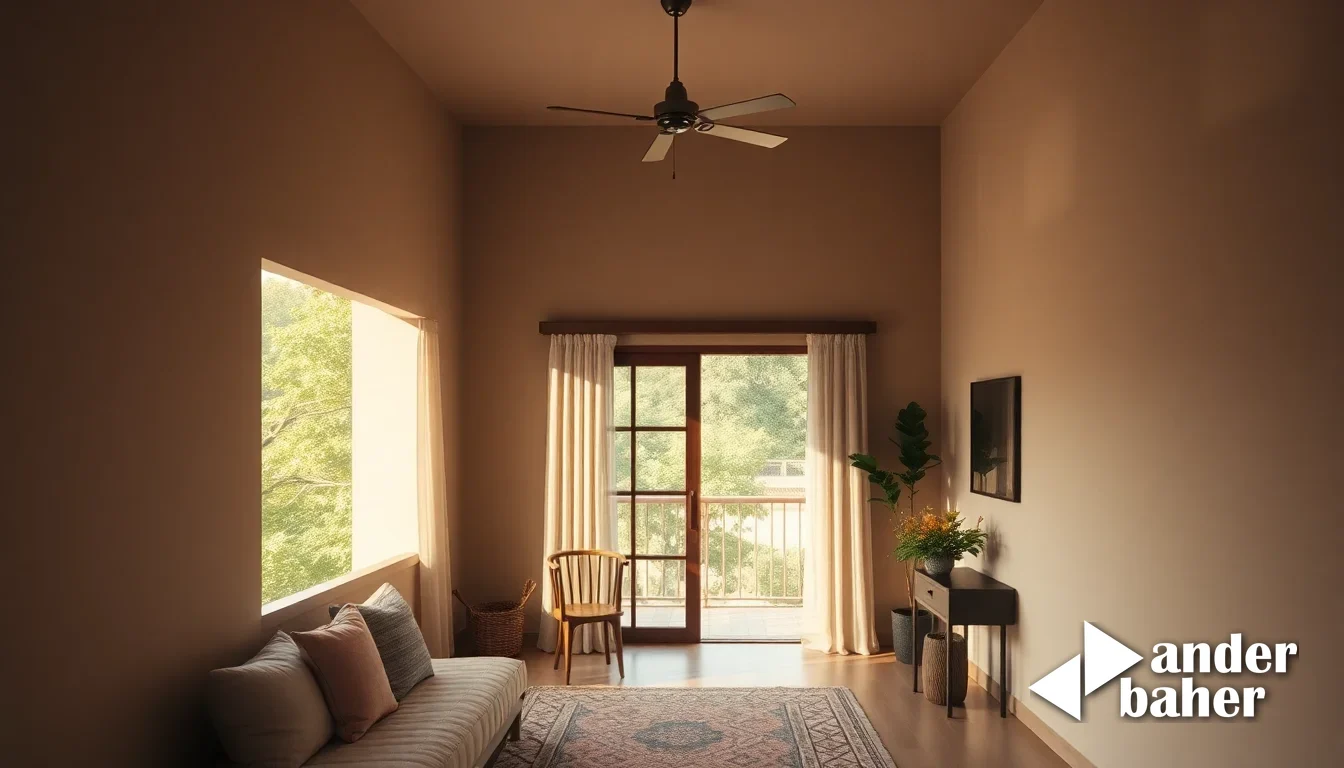
The balcony was never meant to be this important. For decades, it lingered as an architectural courtesy—a place to hang laundry, store the pressure cooker, or suffer through morning coffee while traffic roared below. The Covid-19 lockdowns changed that calculation entirely. Suddenly, those three metres of outdoor air became a psychological lifeline, and the balcony shifted from peripheral to central in how we inhabit our homes.
What has emerged in the years since is not a return to old patterns but a fundamental reconsideration of what a balcony can be. In Mumbai high-rises and Bangalore apartment complexes, residents began treating their balconies with the care typically reserved for living rooms. Vegetation appeared—not just decorative pots but carefully curated gardens. Furniture was upgraded from plastic chairs to considered pieces. The balcony became a room, complete with intention.
From Margin to Meaning
The shift began quietly. During those early months when stepping outside meant carefully navigating restrictions and anxiety, the balcony offered something precious: controlled access to air, light, and the sensation of being outdoors without fully leaving home. It was a threshold that could be managed.
For those in dense urban areas, this mattered more than others understood. A balcony facing east offered the day's first honest light. A north-facing expanse became a refuge during afternoon heat. Suddenly, square footage that property developers had historically treated as bonus space became negotiable real estate. Homeowners began paying attention to angles, exposure, and potential in ways they never had.
Designers noticed. In cities across India, architects began reimagining balconies not as leftovers but as extensions of living spaces that deserved structural integrity, weatherproofing, and aesthetic coherence with the interiors they opened onto. The question shifted from "what can we fit out here?" to "who do we want to become on this balcony?"
The Practical Poetry of Plants
If one element defines the post-pandemic balcony, it is green. Container gardens proliferated—carefully selected specimens that could handle variable watering, seasonal heat, and the particular microclimates that balconies create. A north-facing balcony in a Bangalore apartment became suitable for shade-loving ferns and prayer plants. A west-facing Mumbai terrace demanded succulents and silver-leaf plants that could endure afternoon glare.
This wasn't merely decorative impulse. Growing food and flowers demanded attention, rhythm, ritual. Watering became meditation. Observing growth became therapy. The balcony evolved into a space where people could exercise agency and nurture something tangible during a period when much felt beyond control.
The Designed Threshold
Thoughtful homeowners began extending their design language onto balconies—selecting flooring that bridged inside and out, installing weather-resistant textiles, creating zones for work, rest, or socialising. The balcony was no longer incidental; it was integral to the home's overall narrative.
What lingers now, several years past the acute crisis, is recognition that this space matters. The balcony has claimed a permanent place in how we imagine domestic life in India's cities—not as an afterthought, but as a genuine room. For many, it remains that essential threshold: the place where home opens gently toward the wider world.
Frequently asked
How can I transform my apartment balcony into a functional living space?
Begin by assessing exposure and light patterns, then extend your interior design language outward through cohesive flooring, weather-resistant textiles, and thoughtful zoning for work, rest, or socialising. The balcony becomes integral when treated with the same intentionality as your living rooms.
What plants thrive on north-facing and west-facing balconies in Indian cities?
North-facing balconies suit shade-tolerant varieties like ferns and prayer plants; west-facing terraces demand heat-resilient specimens such as succulents and silver-leaf plants capable of enduring afternoon glare.
Why has the balcony become central to modern Indian home design?
The pandemic reframed balconies from peripheral storage areas into essential thresholds—spaces that offer controlled outdoor access, natural light, and psychological respite. This shift has proven permanent, with homeowners now investing in weatherproofing, structural integrity, and aesthetic coherence.
Ready to transform your space — inside or out?
Tell us a little about your home or office. We'll get back within one working day.
Book a consultation