
Magazine › Balcony
The Considered Balcony: Growing Green in Small Urban Spaces
A balcony needn't be merely a ledge. With thoughtful planting, structural clarity, and an understanding of light, even the smallest Mumbai or Bangalore perch becomes a genuine garden room.
By the Ander Baher Editorial Desk · 2 August 2026
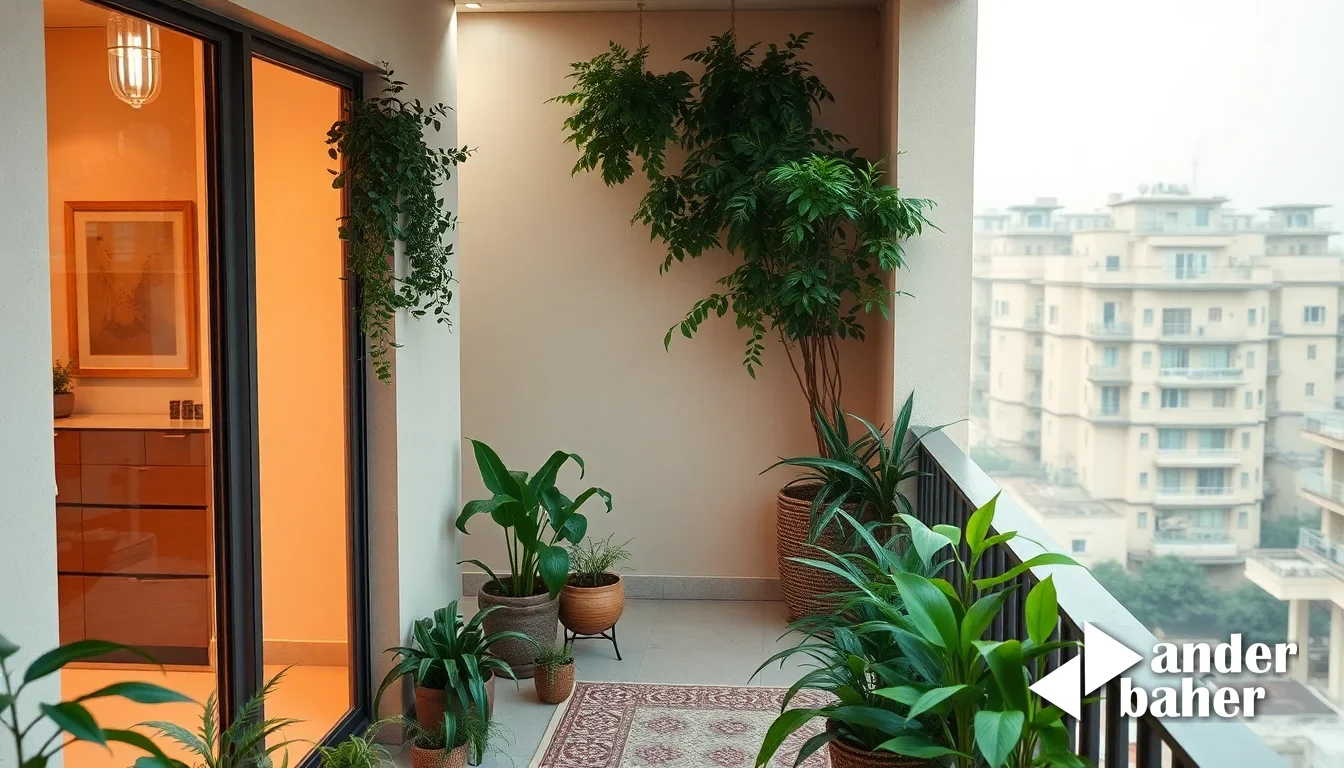
The balcony occupies an unusual position in Indian domestic life. It is neither fully interior nor entirely exterior—a threshold space that often goes underutilized, dressed up as storage or left bare. Yet a balcony, regardless of size, holds genuine potential as a cultivated extension of the home. The difference between a neglected ledge and a thriving garden lies not in square footage, but in intention.
Beginning with Structure and Light
Before a single plant finds its way onto a balcony, understanding the space's structural reality and light patterns matters most. A Bangalore balcony facing west will bake in afternoon heat; a north-facing Mumbai overhang may remain in shade for much of the day. This is not a limitation—it is the starting point of design.
The built structure itself deserves equal attention. Assess load capacity: concrete balconies can typically bear 40–100 kg per square meter, which limits how many terracotta pots and soil you can safely arrange. Consider drainage carefully. Pooling water damages concrete and creates mosquito breeding grounds. A gentle slope toward the edge, or a raised planter with drainage holes, prevents this small but persistent problem.
Walls, too, are structural canvas. Rather than leaving them bare or obscuring them with clutter, a single feature—whether a living wall frame, a geometric trellis, or simply painted plaster in a warm ochre or soft grey—creates visual coherence and gives planting something to anchor against.
Planting at Human Scale
Container gardening is not compromise; it is specificity. In a small balcony, every plant should earn its place through form, seasonality, or scent. A bamboo palm provides vertical relief without overwhelming. Jasmine, trained along a simple wooden frame, offers evening fragrance. Herbs—tulsi, mint, curry leaves—serve both aesthetic and practical purposes.
Group pots by height and material rather than scattering them individually. Three terracotta vessels in graduating sizes, planted with complementary foliage, read as intentional. A single statement planter—perhaps in glazed ceramic or concrete—anchors a corner. Repetition and restraint are more powerful than abundance.
For truly small balconies, consider hanging planters or wall-mounted shelving to create a vertical garden without consuming floor space. This approach also improves air circulation and reduces the visual weight of soil and containers.
Finishing with Comfort and Purpose
A designed balcony functions best when it invites use. A single wooden stool or a compact bench transforms the space from decorative to livable. Morning tea on a balcony surrounded by green—with jasmine releasing its night fragrance or tulsi catching early light—costs nothing but yields immeasurable quiet joy.
The walls matter here too. A warm paint color or a weathered wood screen provides both privacy and a visual backdrop that makes plants appear fuller and more composed. Consider installing a simple shade cloth or retractable awning for intense afternoon sun; this protects plants and extends your own comfort.
A balcony garden asks for patience and seasonal attention. It will not remain static; plants grow, seasons change, and what thrives in monsoon must be adjusted before summer. This is not failure—it is the quiet discipline of living with plants. The balcony becomes not a finished project but an ongoing conversation between structure, light, greenery, and the person tending it.
Frequently asked
How do I design a balcony garden when I have very limited space?
Begin with your balcony's structural capacity and light exposure—these dictate what thrives. Group pots by height and material rather than scattering them, and consider vertical solutions like wall-mounted shelving or hanging planters to maximize greenery without consuming floor space.
What plants work best for small Indian balconies?
Choose plants that earn their place through form, seasonality, or scent: bamboo palm for vertical relief, jasmine for evening fragrance, and herbs like tulsi or curry leaves that serve both aesthetic and practical purposes. Container gardening allows specificity rather than compromise.
How do I prevent water damage on my balcony while gardening?
Ensure proper drainage by sloping the surface gently toward the edge or using raised planters with drainage holes. This prevents pooling, which damages concrete and creates mosquito breeding grounds—a persistent problem in humid Indian climates.
Ready to transform your space — inside or out?
Tell us a little about your home or office. We'll get back within one working day.
Book a consultation