
Magazine › Garden & Landscape
When Old Gardens Meet New Cities
Urban gardeners are rediscovering ancestral plant knowledge and traditional design principles, creating spaces that honour the past while thriving in modern apartment living.
By the Ander Baher Editorial Desk · 31 July 2026
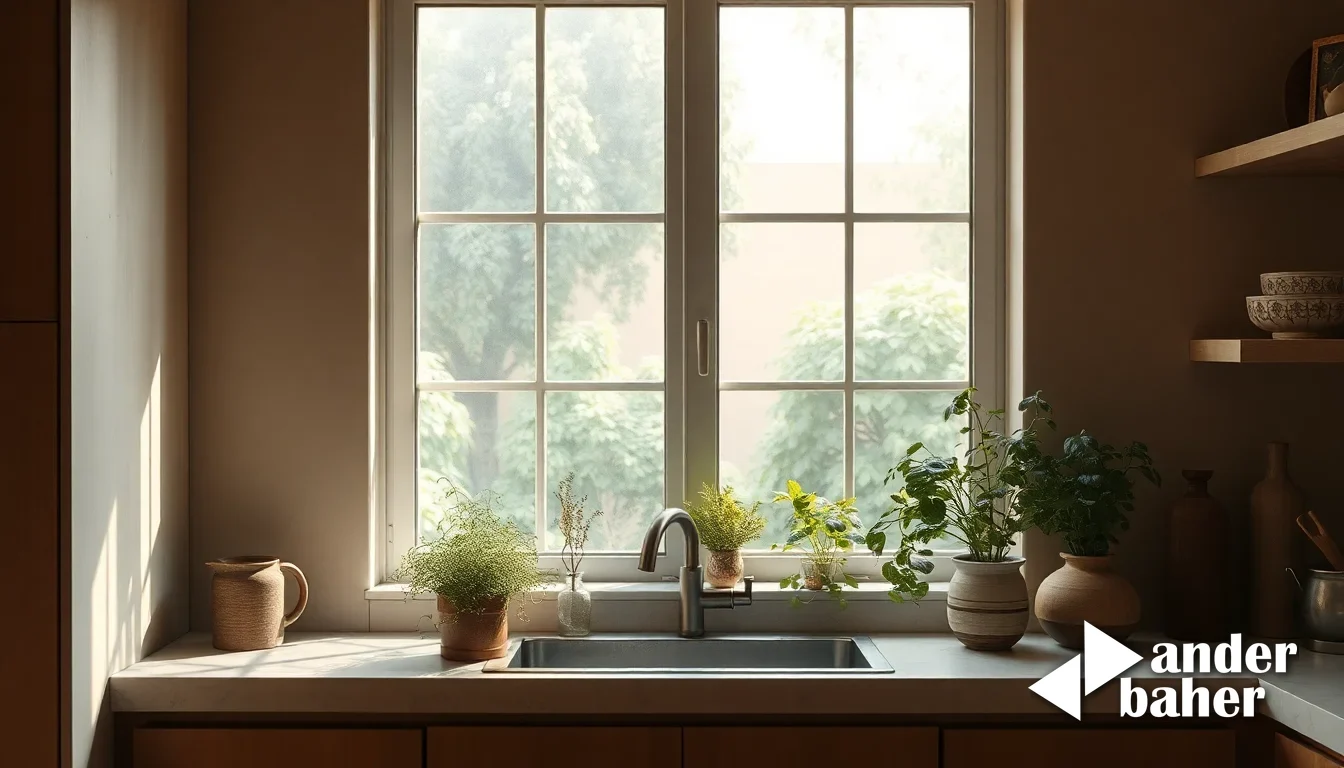
On a narrow Bangalore balcony, tucked between two residential towers, a woman tends to her grandmother's basil—the same strain her family has grown for three generations. The plant sits in a recycled clay pot, watered each morning with collected rainwater, thriving in a way that confounds the Instagram aesthetics of minimalist modern gardening. This small act of continuity reveals something larger: that tradition and urban constraint need not be opposing forces. They can, in fact, inform each other with surprising grace.
The Knowledge We Nearly Lost
Urban migration in India has fractured the transmission of gardening knowledge that once moved naturally from grandparent to grandchild. The plants our ancestors selected—tulsi for ritual and respiratory health, neem for skin and pest control, curry leaves for flavour and digestion—were chosen through centuries of observation. They thrived in local climates, required minimal intervention, and served multiple purposes simultaneously. When families moved to apartments in Mumbai or Delhi, this accumulated wisdom often stayed behind in village courtyards.
Yet a quiet reversal is underway. Urban gardeners, particularly those without rural roots to draw from, are actively researching traditional plant combinations and methods. They study their grandmothers' gardens through old photographs. They seek out heritage nurseries. They ask elders about seasonal planting calendars that predate weather apps. This isn't nostalgia—it's pragmatism dressed in memory.
Design Principles That Endure
Traditional Indian garden design carried embedded efficiency. The vaastu concept of cardinal directions, often dismissed as superstition, actually optimised sunlight exposure and wind patterns. The central courtyard garden—the char bagh logic—functioned as thermal regulation, water harvesting, and social spine all at once. Terraced kitchen gardens positioned herbs and vegetables where they were needed most: near the cooking space, visible from windows, woven into daily life.
Modern urban balconies and terraces can echo these principles without recreating them literally. A Mumbai terrace garden might adopt the layered planting logic of traditional gardens—tall flowering trees providing shade for herbs and leafy greens below—while working within square footage constraints. A kitchen window might hold the herbs that a grandmother once planted in a dedicated bed, now arranged vertically to claim space efficiently.
The Seasonal Conversation
Contemporary urban gardening often treats seasons abstractly: climate control flattens the year into uniform conditions. Traditional practice, by contrast, worked with seasonal rhythms. Monsoon was planting time. Summer required strategic shade and water conservation. Winter brought crops that suited cooler temperatures. This conversation between seasons and plants—rather than constant environmental manipulation—demanded observation but rarely failed.
Urban gardeners rediscovering these rhythms report something unexpected: less work, more presence. A balcony garden that shifts its focus seasonally—tomatoes and chillies in summer, leafy greens in winter, flowers timed to monsoon emergence—becomes a calendar you tend rather than manage. It connects you to something larger than your own apartment's microclimate.
The garden that honours tradition in an urban setting doesn't attempt historical recreation. It borrows principles—seasonal awareness, plant diversity, minimal intervention, multi-purpose species—and lets them shape decisions about what to grow and where. This approach has proven remarkably resilient, across centuries and still across the distance between a village courtyard and a city balcony.
Frequently asked
How can I grow traditional Indian herbs like tulsi and neem in a modern apartment balcony?
Heritage plants thrive in constrained urban spaces when positioned for seasonal rhythms and minimal intervention. Tulsi and neem suit container gardening in recycled clay pots on balconies with adequate morning light; both tolerate the moisture and temperature fluctuations of Mumbai and Bangalore climates when watered with collected rainwater rather than constant artificial schedules.
What traditional garden design principles work in contemporary urban homes?
The layered planting logic of classical Indian gardens—tall trees providing shade for herbs and greens below—translates elegantly to Mumbai terraces and Bangalore balconies. Kitchen-window herb arrangements echo the positioned efficiency of ancestral kitchen gardens, while cardinal orientation and thermal awareness (principles behind vaastu) naturally optimize sunlight exposure and wind patterns in constrained spaces.
Is seasonal planting more practical than year-round climate-controlled gardening?
Seasonal planting demands observation but rarely fails, and urban gardeners report paradoxically less work and greater presence than constant environmental manipulation. A balcony that shifts focus seasonally—monsoon flowers, summer tomatoes and chillies, winter greens—becomes a living calendar tied to natural rhythms rather than a controlled microclimatic zone.



Ready to transform your space — inside or out?
Tell us a little about your home or office. We'll get back within one working day.
Book a consultation