
Magazine › Courtyard
The Aangan Reimagined: When Courtyards Become Living Rooms
Contemporary Indian homes are rediscovering the aangan—not as nostalgic throwback, but as a climate-responsive pocket park that anchors modern domestic life.
By the Ander Baher Editorial Desk · 24 July 2026
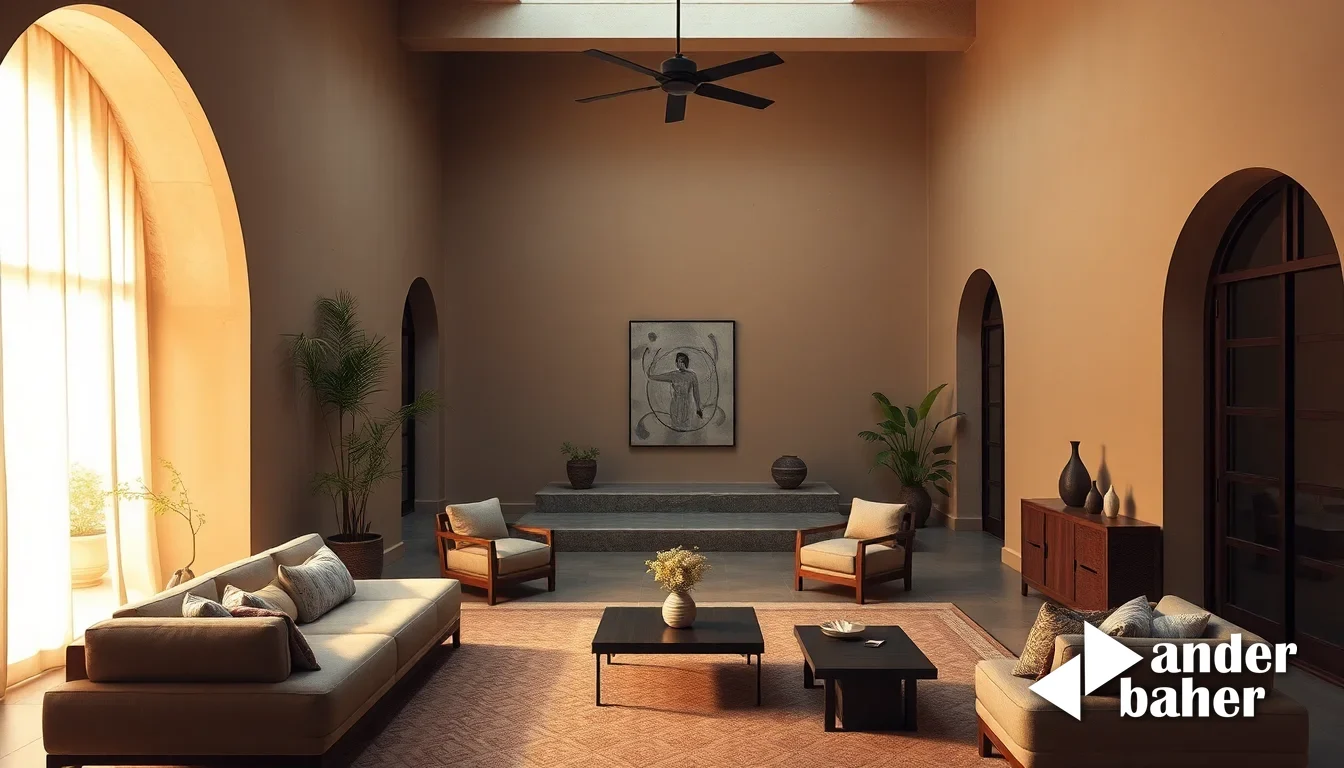
The aangan has never truly left us. Walk through the densest Bangalore neighbourhood and you'll find them still—those modest open-to-sky cores around which generations oriented their days. A clothesline, a neem tree, the sound of children. But something shifted. As homes compressed vertically and inward-facing courtyards became architectural afterthoughts, we lost more than a building feature. We surrendered a rhythm.
Today, a quieter revolution is unfolding. Architects and homeowners are rediscovering the aangan not as heritage nostalgia, but as a calibrated solution to how we actually want to live. These new pocket courtyards are neither quaint nor decorative. They are functional landscape rooms—intimate, climate-responsive, deliberately planted ecosystems that transform how light, air, and living move through a home.
Why the Aangan Matters Now
The logic is straightforward: a three-by-four-metre courtyard, properly designed, cools the adjacent interior by 3-4 degrees on a Delhi summer afternoon. In Mumbai's monsoon, it manages water. Year-round, it filters sound and brings the sky indoors without the sprawl of a full garden. For apartment dwellers in metros—where outdoor space is a luxury—a pocket courtyard democratizes access to nature. You don't need a quarter-acre plot to grow your own vegetables or create a green threshold between street and home.
What distinguishes these contemporary versions from their ancestors is intentionality. A Bangalore architect recently redesigned a 3.5-metre-square courtyard by stacking planting beds vertically, introducing a living wall of indigenous creepers (Hemianthus, Rhaphidophora) on a steel trellis, and pouring permeable paving below. The effect: a microclimate that sustains herbs through summer, diffuses western sun in afternoon, and absorbs rainfall instead of cascading it downward. This is the aangan as working infrastructure, not afterthought.
The Language of Small Space
Restraint becomes the design vocabulary. Where a traditional garden sprawls, a pocket courtyard concentrates. A single heritage fruit tree—perhaps a jamun or custard apple—anchors the space. Below, groundcover replaces lawn. Seating is often built-in, integrated into the retaining walls or garden edges. Water features are scaled: a simple algae-lined tank rather than a fountain. The effect is not cramped but curated—every element earning its place.
Materiality matters acutely. Permeable pavers let monsoon water infiltrate rather than overwhelm drainage. Local stone, sourced within 200 kilometres, reduces embodied carbon and feels contextual to the region. In Mumbai homes, designers are increasingly specifying recycled brick or laterite for visual warmth; in Bangalore, granite setts. These details, modest on paper, create a sensory coherence—the courtyard feels indigenous, not imported.
The Daily Practice
The real revelation happens when these spaces are inhabited. Morning tea taken on a courtyard bench, where filtered light from a south-facing opening angles across flowering shrubs. A child watching light patterns shift across a textured wall. An evening where open doors frame the courtyard as an extension of the living room—visually and thermally. The aangan, in this form, doesn't require maintenance mythology or heritage reverence. It simply works, quietly reshaping domestic rhythms one quiet courtyard at a time.
Frequently asked
How much can a small courtyard cool an interior space?
A properly designed three-by-four-metre courtyard can reduce adjacent interior temperatures by 3–4 degrees during peak summer, while managing monsoon water infiltration and filtering street noise year-round.
What makes a modern pocket courtyard different from a traditional aangan?
Contemporary courtyards prioritize intentional design—vertical planting systems, permeable surfaces, indigenous materials, and climate-responsive infrastructure—rather than nostalgia, functioning as working ecosystems that reshape how light, air, and living move through a home.
Can apartment dwellers create a courtyard garden in limited space?
Yes; a pocket courtyard democratizes access to nature for metro residents, allowing cultivation of herbs and creation of a green threshold between street and home without requiring large plot dimensions.
Ready to transform your space — inside or out?
Tell us a little about your home or office. We'll get back within one working day.
Book a consultation