
Magazine › Sustainability
3D Printing in Architecture: A New Era of Sustainable Building Design
Delve into the world of 3D printing in architecture, where innovation meets sustainability, paving the way for environmentally friendly and creative building practices.
By the Ander Baher Editorial Desk · 12 March 2024
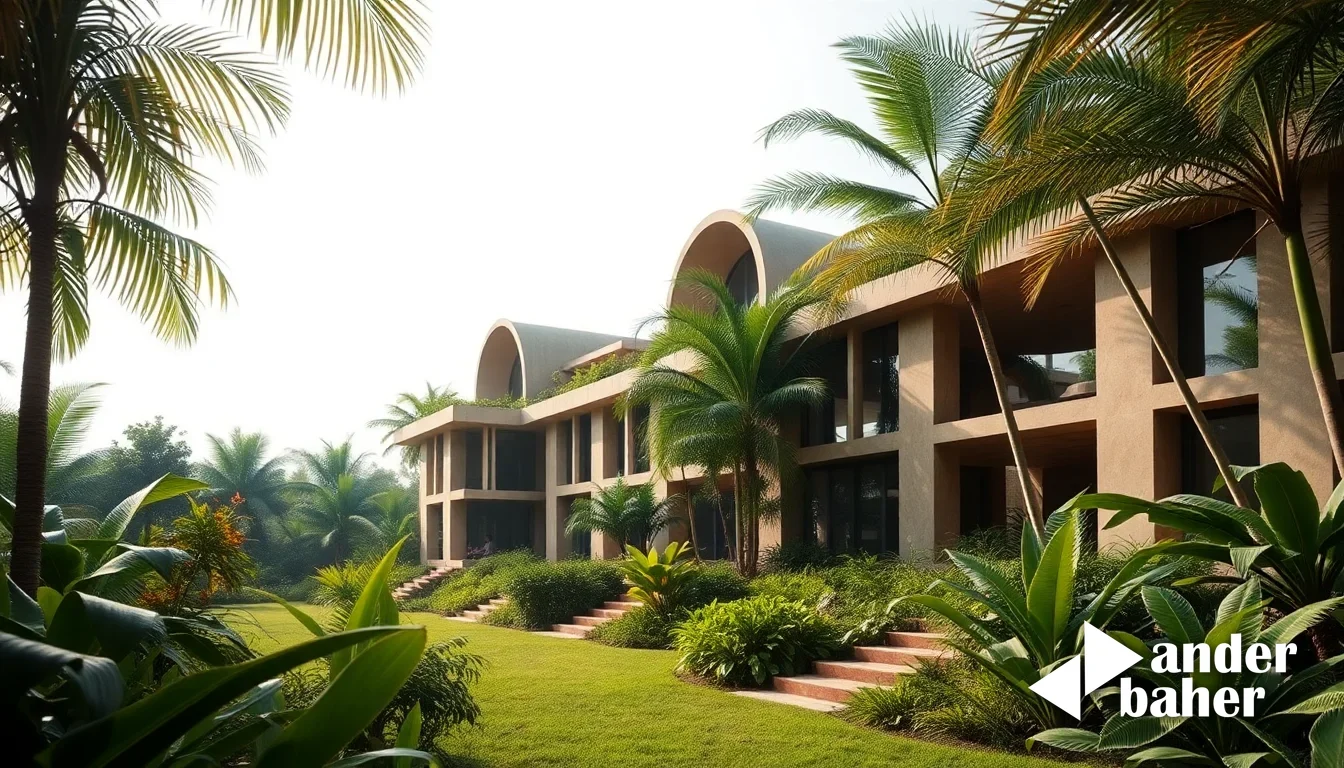
The intersection of technology and architecture has always been a fertile ground for innovation, but few developments promise to reshape the industry as profoundly as 3D printing. This groundbreaking technology is not just revolutionizing the way architects design and construct buildings; it's also steering the field towards more sustainable and efficient practices. In this comprehensive exploration, we delve into the world of 3D printing in architecture, highlighting its potential to foster sustainable innovation in building design and construction.
Why 3D Printing Is a Game-Changer for Architecture
3D printing, or additive manufacturing, offers unparalleled flexibility and efficiency, enabling architects to create complex, customized structures with reduced material waste and energy consumption. This section examines the core advantages of 3D printing in architectural design and construction.
- Customization and Complexity: Allows for intricate designs that are difficult or impossible to achieve with traditional construction methods.
- Speed and Efficiency: Significantly reduces construction time, making it possible to complete projects faster and more efficiently.
- Sustainability: Minimizes waste by using precisely the amount of material needed, and opens up possibilities for using recycled materials.
Sustainable and Innovative Architectural Approaches with 3D Printing
The application of 3D printing in architecture heralds a new era of sustainable construction methods. This part of the article focuses on how architects and builders are leveraging 3D printing to create eco-friendly and innovative structures.
- Eco-Friendly Materials: The use of sustainable materials like recycled plastics or bio-based filaments in 3D printing promotes environmental conservation.
- Energy-Efficient Construction: 3D-printed buildings often require less energy to construct, thanks to the efficiency of the additive manufacturing process.
- Reduced Construction Waste: Precision in material use leads to minimal waste, supporting a more sustainable construction industry.
Leading Examples of 3D Printing in Architecture
Innovative projects worldwide illustrate the potential of 3D printing in creating sustainable and unique architectural structures. This section highlights some of the most notable examples.
- TECLA - Technology and Clay Housing, Italy: Designed by Mario Cucinella Architects, TECLA is a fully 3D-printed habitat made from local clay, setting a precedent for sustainable housing solutions.
- The 3D Printed Office Building, Dubai: The world's first fully functional 3D-printed building showcases the feasibility of 3D printing for commercial office spaces.
- Project Milestone, Eindhoven, The Netherlands: This project aims to create the world's first 3D-printed concrete homes that are fully compliant with local building standards.
Addressing FAQs on 3D Printing in Architecture
Q: Is 3D-printed architecture durable? A: Yes, 3D-printed buildings can be designed to meet or exceed the durability and longevity of traditional construction methods.
Q: How does 3D printing contribute to sustainable architecture? A: By reducing material waste, enabling the use of recycled materials, and decreasing the carbon footprint associated with construction processes.
Q: Can 3D printing be used for large-scale construction projects? A: Yes, the technology is scalable and has been successfully applied to large-scale projects, including residential, commercial, and infrastructural developments.
In Summary
The integration of 3D printing in architecture marks a significant shift towards more sustainable, efficient, and innovative building practices. As technology continues to evolve, the possibilities for its application in architecture expand, promising a future where eco-friendly and creatively unfettered constructions become the norm. The exploration of 3D printing in architecture not only underscores its potential to revolutionize the construction industry but also highlights the broader commitment to sustainability and innovation that defines the field today.
Facebook Twitter LinkedInStill need help?
Get in touch with us
Frequently asked
How does 3D printing reduce construction waste in architectural projects?
Additive manufacturing uses precisely the amount of material needed, eliminating excess. The technology also enables recycled materials and bio-based filaments, fundamentally shifting how architects approach material economy.
Can 3D-printed buildings meet durability standards for residential and commercial use?
Yes. 3D-printed structures can be engineered to meet or exceed traditional construction durability, as demonstrated by fully functional commercial buildings and homes compliant with local building codes.
Is 3D printing architecture viable for large-scale projects in India?
The technology is inherently scalable and has proven successful across residential, commercial, and infrastructural projects globally—making it relevant for ambitious developments in Bengaluru, Mumbai, and beyond.

Ready to transform your space — inside or out?
Tell us a little about your home or office. We'll get back within one working day.
Book a consultation