
Magazine › Garden & Landscape
Unveil the Timeless Beauty of Traditional Indian Gardens
Explore the revival of traditional Indian garden elements in modern landscapes. From Char Bagh to Jali and trellis work, these designs enrich our lives with sustainability. Experience water features and fragrant flora in urban spaces, celebrating a cultural resurgence that bridges past and present,
By the Ander Baher Editorial Desk · 23 October 2023
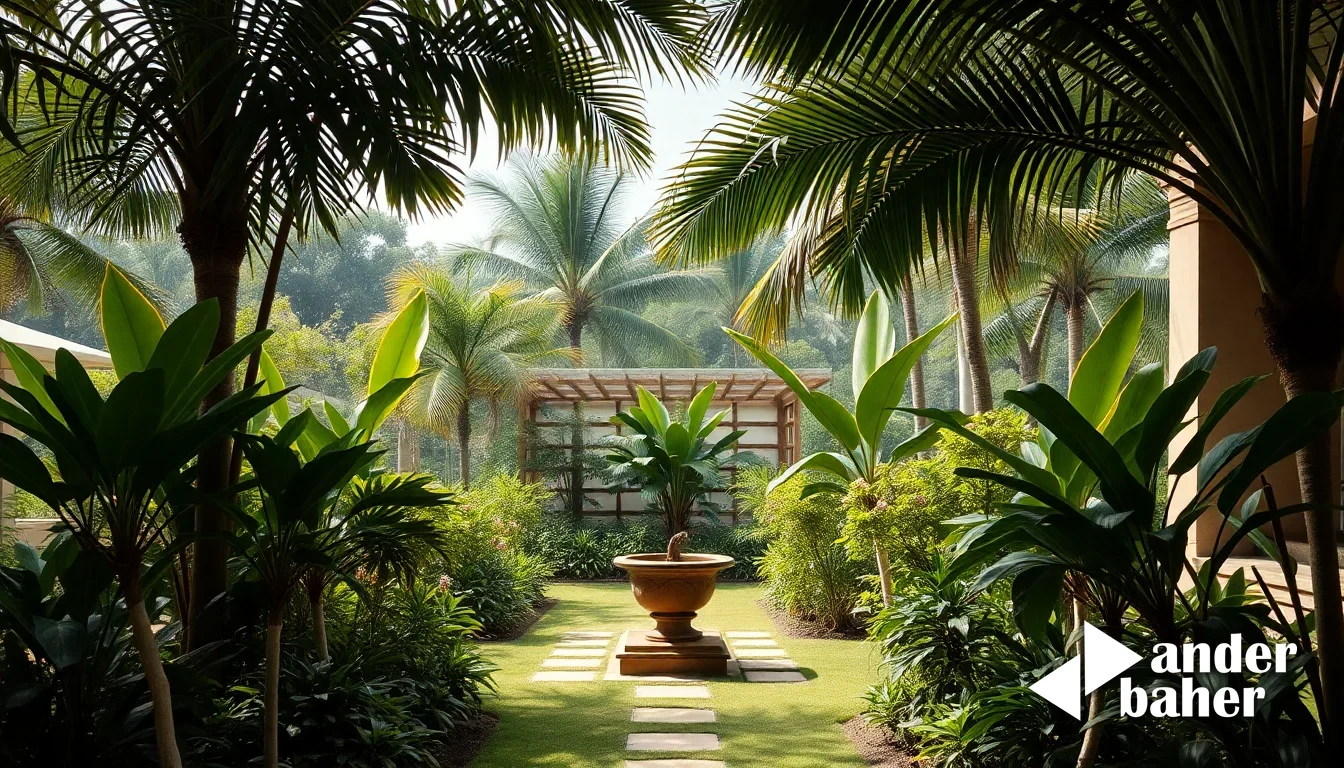
In the world of landscaping and garden design, there's an ever-evolving quest to create spaces that are not only visually stunning but also rooted in cultural heritage. Traditional Indian garden elements, with their rich history and timeless beauty, are experiencing a renaissance in the modern landscape. This revival is not just about aesthetics but also a recognition of the sustainable and holistic principles that underpin these ancient garden designs. Join us on a journey as we explore the resurgence of traditional Indian garden elements in contemporary landscape design.
The Essence of Traditional Indian Gardens
Traditional Indian gardens have a deep-rooted history, dating back to the Mughal era and beyond. These gardens were known for their meticulous planning, lush greenery, and a harmonious blend of architecture, water features, and natural elements. They were not merely spaces for leisure, but also places that connected people with nature, offering tranquility and rejuvenation.
Char Bagh: The Quadrilateral Paradise
The Char Bagh, or "four gardens," is a classic example of Indian garden design. These gardens are divided into four equal parts by pathways or water channels. The central square often houses a pavilion or a water feature. The Char Bagh design fosters balance and symmetry, creating a tranquil and ordered atmosphere.
Jali and Trellis Work: Nature in Patterns
Jali screens and trellises are intricate and decorative elements that adorn many traditional Indian gardens. They serve dual purposes: providing shade and privacy while allowing the play of light and shadow. These delicate patterns are not only functional but also a testament to the craftsmanship of the artisans.
Water Features: The Soul of Indian Gardens
Water holds a special place in Indian culture, and traditional gardens reflect this reverence for water. Fountains, reflecting pools, and cascading waterfalls are commonly found in these gardens. Water features not only offer a soothing ambiance but also symbolize the ever-flowing cycle of life.
Flora: A Tapestry of Colors and Scents
Indian gardens are known for their extensive use of fragrant and vibrant flowers. Roses, jasmine, marigolds, and lotus flowers are just a few examples of the flora that adorn these landscapes. The choice of plants is not only for their aesthetic appeal but also for their cultural significance and health benefits.
The Modern Revival
The revival of traditional Indian garden elements in modern landscaping is a testament to their timeless appeal. Designers and garden enthusiasts are rediscovering the practical and philosophical aspects of these elements. Here's how they are being reintroduced:
Sustainability and Eco-Friendliness:
Traditional Indian gardens were built on sustainable principles, with an emphasis on water conservation, natural cooling, and biodiversity. Modern landscape architects are embracing these elements to create eco-friendly spaces in urban and suburban environments.
Cultural Connection:
In a world where globalization sometimes leads to the loss of cultural identity, the revival of traditional garden elements provides a tangible connection to India's rich heritage. These elements act as storytellers, conveying the history and philosophy of the land.
Wellness and Tranquility:
In today's fast-paced world, traditional Indian gardens offer a haven of tranquility. They promote mindfulness and well-being, making them essential components in the design of healing and meditation gardens.
Adaptation to Contemporary Lifestyles:
While staying true to their roots, traditional Indian garden elements are being adapted to modern living. Urban gardens, rooftop oases, and community spaces are now embracing these elements, creating pockets of serenity in the midst of bustling cities.
The revival of traditional Indian garden elements in modern landscapes is not just a design trend; it's a celebration of a profound cultural legacy and a commitment to sustainable, eco-friendly living. By reintroducing these timeless elements, we not only honor the past but also ensure that the beauty, tranquility, and wisdom of these gardens continue to enrich our lives in the present and for generations to come. In our fast-paced world, these gardens offer a reminder that harmony with nature is a key to true happiness and well-being.
Facebook Twitter LinkedInStill need help?
Get in touch with us
Frequently asked
How can traditional Indian garden elements work in a contemporary urban home?
Char Bagh geometry, jali screens, and water features adapt elegantly to rooftop gardens and compact courtyards, introducing Mughal-era principles of balance and tranquility into modern living without requiring sprawling acreage.
What makes traditional Indian gardens more sustainable than conventional landscape design?
These gardens prioritize water conservation through thoughtful feature placement, natural cooling via shade structures, and biodiversity through native plantings—principles that reduce maintenance demands and environmental impact.
Which plants are essential to an authentic Indian garden aesthetic?
Roses, jasmine, marigolds, and lotus are culturally significant choices that offer both fragrance and visual richness, while their selection reflects an understanding of seasonal rhythm and healing properties rooted in Indian philosophy.
Ready to transform your space — inside or out?
Tell us a little about your home or office. We'll get back within one working day.
Book a consultation