
Magazine › Garden & Landscape
Unlock the Tranquil Beauty of Shade in Indian Gardens
Explore the captivating interplay of shade in Indian gardens, where it serves as both refuge from the sun and a canvas for architectural artistry, seamlessly blending tradition with modernity, and creating dynamic spaces that harmonize with nature and culture.
By the Ander Baher Editorial Desk · 23 October 2023

The Artistic and Practical Role of Shade in Indian Gardens
Indian gardens are a fascinating blend of aesthetics and functionality, where nature and architecture harmoniously intertwine. One of the most essential components in these designs is shade. More than just a refuge from the scorching sun, shade in Indian gardens serves as both a comfort zone and a canvas for artistic expression. Let's explore how shade plays a pivotal role in the design and experience of Indian gardens.
Nature's Comfort Zone in Indian Gardens
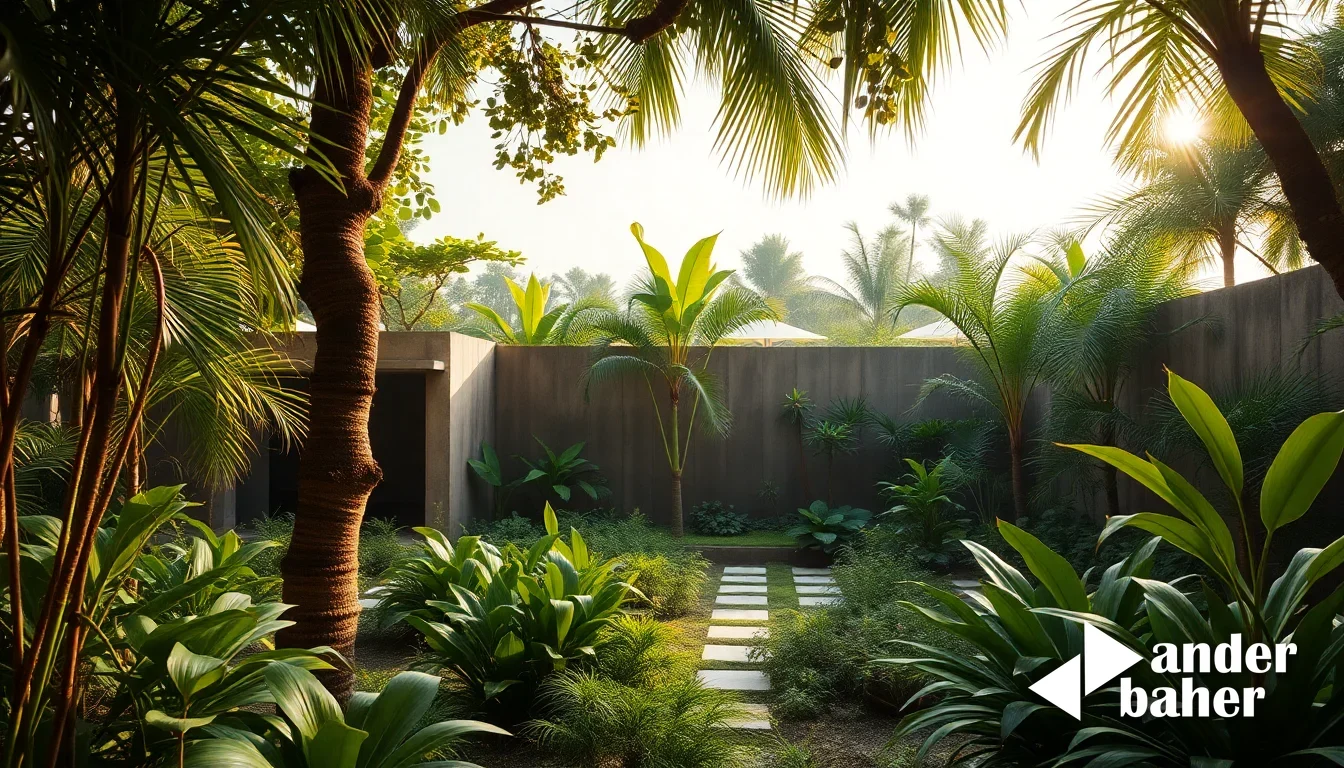
In India’s relentless sun, shade is a natural comfort zone. Trees, pergolas, and architectural elements create cool spots where people can escape the heat. These shaded areas are more than just a relief from the sun—they provide spaces for relaxation, socialization, and quiet reflection, making them an integral part of the garden's functionality.
Blending Tradition with Modern Design
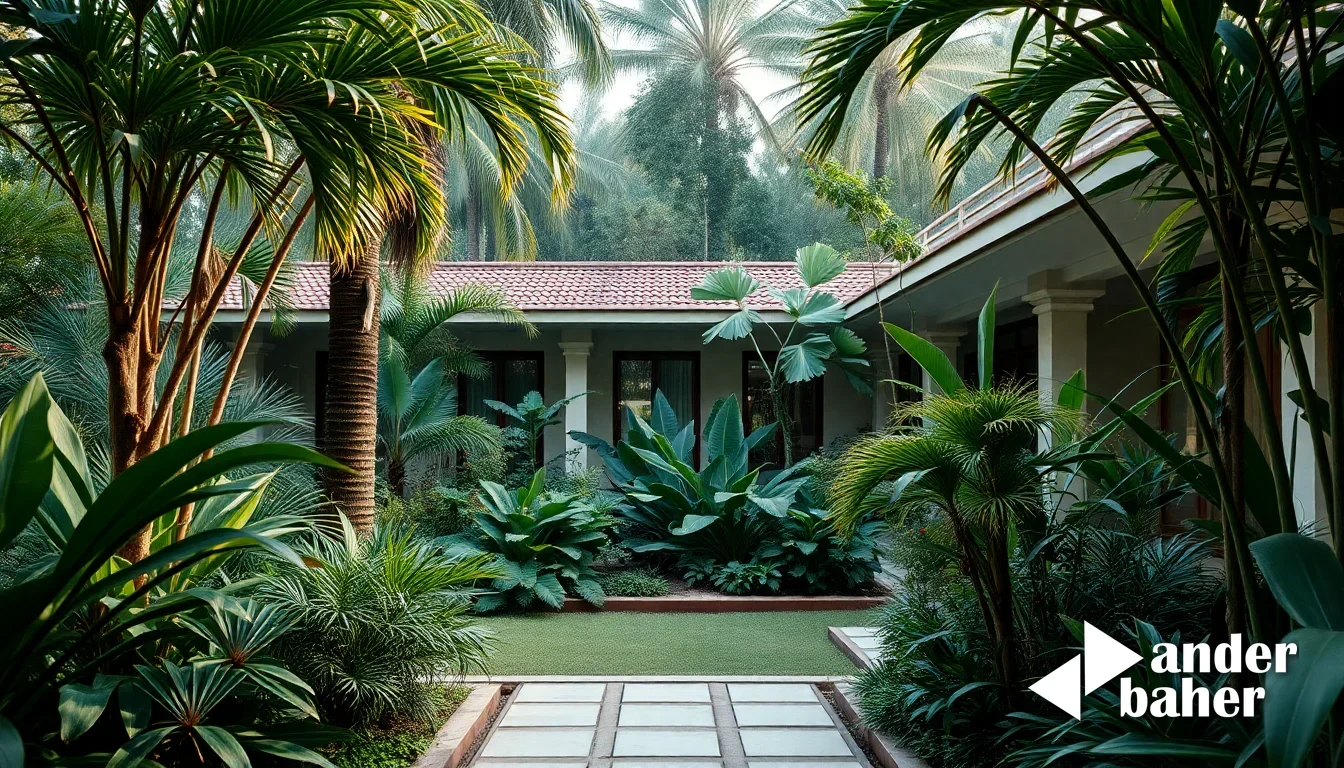
Over the centuries, Indian garden design has evolved by blending traditional practices with modern architecture. Ancient concepts such as chhajja (extended eaves) and jaali (latticework) are still used today to filter sunlight and create mesmerizing patterns of shade. These elements honor India’s architectural heritage while embracing contemporary aesthetics.
Shade as a Canvas for Negative Space
In Indian gardens, the interplay between light and shade is a deliberate design choice. Negative space, created by the absence of sunlight, transforms into a canvas for artistic expressions. The shifting patterns of light and shadow on pavilions, walls, and pathways bring dynamic visual experiences to life, making shade a living work of art.
Harmony with the Environment
Indian garden design emphasizes harmony with the natural environment. Shade-providing trees and plants are chosen carefully, balancing ecological needs with the climate. In this way, shade plays a key role in maintaining the local ecosystem, acting as both a sanctuary for humans and a vital element of the landscape.
Sacred and Spiritual Significance of Shade
In some Indian gardens, shade holds deep spiritual importance. Ancient trees, like the majestic banyan, often shelter temples and meditation spaces, creating serene environments that evoke peace and sanctity. These shaded areas offer not only relief from the heat but also spiritual solace.
Shade as an Artistic Element
The dappled shade from intricate jaali screens or the dramatic interplay of light and shadow in Mughal garden pavilions is a form of art. In Indian gardens, shade isn’t just practical—it is a key aesthetic component. By creating evolving, dynamic designs, these patterns of shade turn the garden into a living masterpiece.
Flexible and Dynamic Spaces
Shade in Indian gardens is a flexible element, changing with the sun’s movement throughout the day. This dynamic nature allows for versatile garden spaces, from morning yoga in filtered sunlight to evening gatherings under a canopy of trees. Shade adapts to human activities, making garden spaces more functional and enjoyable.
Conclusion: Shade as Art, Comfort, and Culture
The role of shade in Indian gardens transcends practicality, becoming an integral part of art, culture, and nature. By seamlessly combining the needs of people, the environment, and architecture, Indian gardens show a harmonious relationship between shade and human creativity. In these gardens, shade isn’t merely a shelter from the sun—it’s a canvas for life and a reflection of India's rich cultural heritage.
Facebook Twitter LinkedInStill need help?
Get in touch with us
Frequently asked
How can shade improve both comfort and aesthetics in my garden design?
Shade serves dual purpose in Indian gardens—it provides essential relief from intense heat while creating dynamic visual patterns through light and shadow interplay. Elements like jaali screens and pergolas transform functional cooling zones into living artworks that evolve throughout the day.
What traditional elements work best for creating shade in modern Indian gardens?
Chhajja (extended eaves) and jaali (latticework) remain highly effective, bridging heritage and contemporary design. These elements honor India's architectural vocabulary while offering sophisticated light-filtering solutions that work beautifully in today's premium residential landscapes.
Can shade design support the local ecosystem in my garden?
Yes—carefully selected shade-providing trees and plants balance human comfort with ecological vitality. Strategic shade placement creates sanctuaries for local flora and fauna while maintaining the microclimate that makes gardens genuinely livable across seasons.
Ready to transform your space — inside or out?
Tell us a little about your home or office. We'll get back within one working day.
Book a consultation