
Magazine › Garden & Landscape
Unlock the Secrets of Soil Testing: Transform Your Landscaping Success
Explore the art and science of landscaping in our blog on 'The Importance of Soil Testing.' Uncover the secrets to thriving landscapes by understanding your soil's composition for lasting beauty and vitality. Discover plant selection, nutrient balance, pH, and drainage tips to elevate your outdoor s
By the Ander Baher Editorial Desk · 23 October 2023
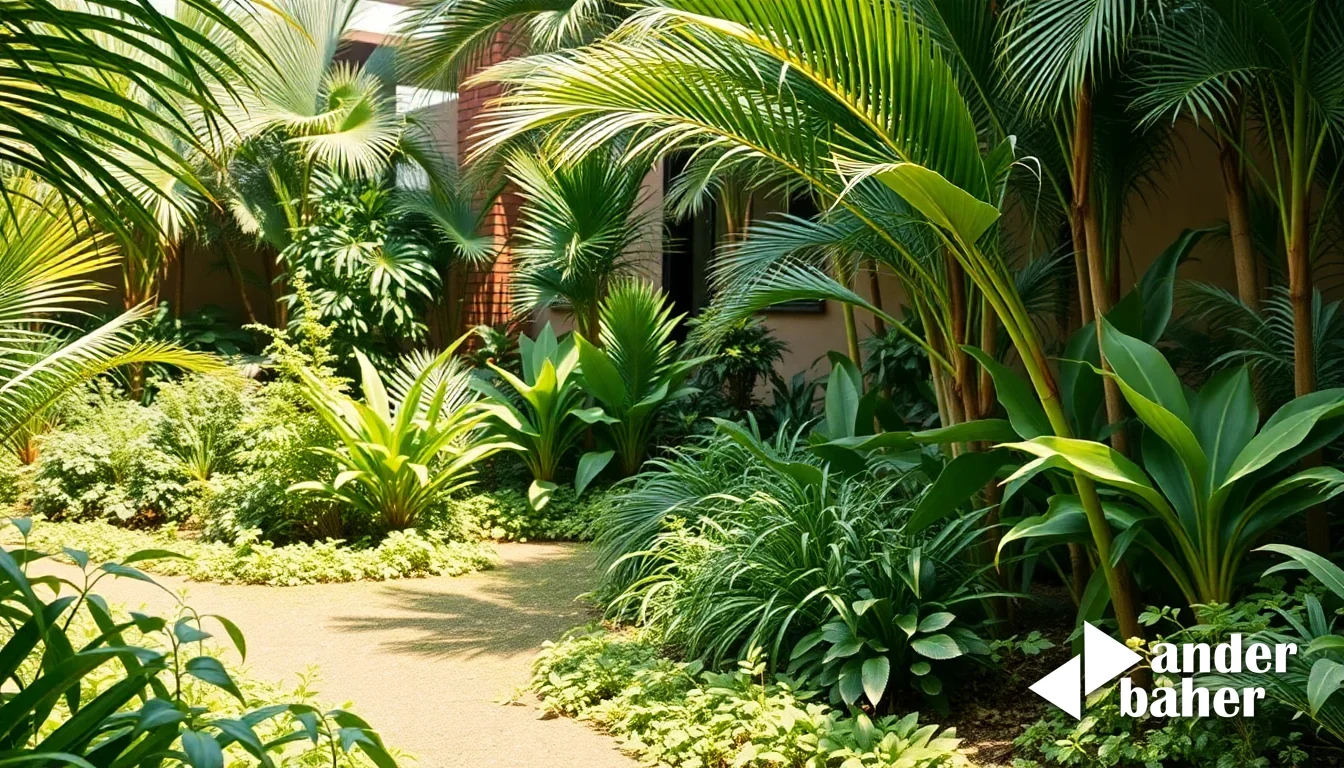
In the world of design and architecture, where aesthetics and functionality blend seamlessly, landscaping plays a pivotal role. From grand public parks to intimate backyard gardens, the art of landscaping is all about creating spaces that not only look breathtaking but also serve a purpose. Yet, achieving a thriving landscape isn't just about selecting the right plants and arranging them in an eye-catching manner. It begins beneath the surface, with the often overlooked but indispensable step: soil testing. In this blog, we will explore the significance of understanding soil type and how it can transform your landscaping endeavors.
The Foundation of Every Great Landscape
Landscaping is an intricate dance of colors, textures, and shapes that captivate the senses. However, the very foundation of this artistic endeavor is the soil on which it is built. Without a solid understanding of your soil's composition, your landscaping dreams may remain just that - dreams.
1. Soil Type and Plant Compatibility
Different plants thrive in different soil types. Some prefer well-draining sandy soils, while others thrive in rich, loamy soils. Understanding your soil type is the key to selecting the right plants for your landscape. Planting in unsuitable soil can lead to poor growth, diseases, and a never-ending battle to maintain the landscape.
For example, if your soil is predominantly clayey, it tends to retain water, making it ideal for water-loving plants like cattails or willows. On the other hand, sandy soils drain quickly, making them ideal for drought-tolerant species such as lavender or succulents. Soil testing allows you to determine your soil's composition, thus enabling you to make informed plant choices that will thrive and flourish in your unique environment.
2. Nutrient Levels
Plants, like humans, require specific nutrients to grow and remain healthy. Essential nutrients like nitrogen, phosphorus, and potassium are critical for plant growth. Soil testing reveals the nutrient levels in your soil and can help you decide whether fertilization is necessary.
If your soil is deficient in certain nutrients, you can tailor your fertilization strategy to provide exactly what your plants need. Conversely, over-fertilization can lead to imbalanced nutrient levels and harm your plants. Soil testing guides you in achieving the perfect equilibrium, promoting healthy and vibrant plant growth.
3. pH Levels
The pH level of your soil is another critical factor to consider in landscaping. It measures the acidity or alkalinity of your soil. Different plants have specific pH preferences, and deviating from their ideal pH range can result in stunted growth and diminished flowering.
Soil testing informs you about your soil's pH and enables you to make adjustments if needed. For instance, if your soil is too acidic (low pH), you can add lime to raise it to a more neutral range. Conversely, if your soil is too alkaline (high pH), you can amend it with sulfur to lower the pH and make it more hospitable for your chosen plants.
4. Drainage and Compaction
Good drainage is vital for the health of your landscape. Excess water can lead to root rot and other issues. Soil testing can determine whether your soil drains well or if it's prone to waterlogging. By understanding your soil's drainage capacity, you can design your landscaping with the appropriate drainage solutions in mind, ensuring the longevity of your plants.
Furthermore, soil testing can uncover issues with soil compaction. Compacted soil restricts root growth and reduces aeration, which is detrimental to plant health. Addressing compaction issues, such as aerating the soil, can improve plant growth and root development.
In the world of design and architecture, where form and function coalesce, the beauty of a well-landscaped environment cannot be overstated. Achieving that beauty, however, starts with understanding what lies beneath - the soil. Soil testing is the compass that guides you toward selecting the right plants, maintaining nutrient balance, and ensuring ideal pH and drainage conditions.
With the insights gained from soil testing, your landscaping projects will flourish and endure, offering a breathtaking testament to the fusion of art and science. So, next time you embark on a landscaping endeavor, remember that beneath the surface, the world of soil testing holds the secrets to a landscape that truly stands the test of time.
Facebook Twitter LinkedInStill need help?
Get in touch with us
Frequently asked
Why is soil testing essential before starting a landscaping project?
Soil testing reveals your soil's composition, nutrient levels, pH, and drainage capacity—the foundational knowledge needed to select plants that will thrive and design landscapes that endure.
How does soil type affect plant selection in my garden?
Different plants require different soil conditions; clay soils suit water-loving species while sandy soils favor drought-tolerant varieties. Testing ensures you choose plants compatible with your unique soil environment.
Can soil amendments improve a poorly draining landscape?
Yes. Soil testing identifies drainage issues and compaction problems, allowing you to implement targeted solutions like aeration and appropriate soil amendments for optimal plant health.

Ready to transform your space — inside or out?
Tell us a little about your home or office. We'll get back within one working day.
Book a consultation